TLDR;
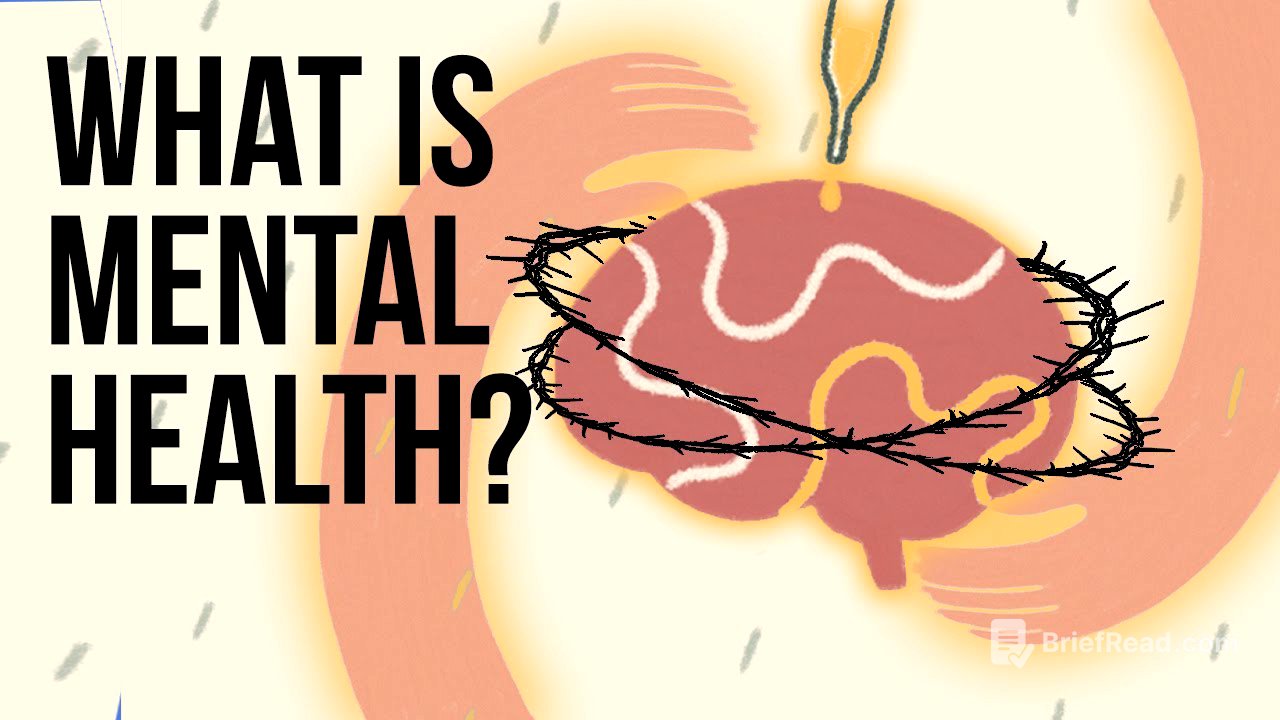
This video discusses the complexities and essential features of a healthy mind and what it takes to maintain mental well-being. It explains how a functioning mind manages thoughts, feelings, and perceptions, enabling effective decision-making and emotional stability.
- A healthy mind filters out unnecessary negative thoughts and judgments.
- It possesses the ability to compartmentalize thoughts and emotions, allowing focus on the present moment.
- Mental health is common and should be approached with the same acceptance as physical health.
Understanding a Healthy Mind [0:00]
A healthy mind functions quietly yet extraordinarily by managing a wide array of thoughts and emotions. It strategically engages with concepts that are necessary for life direction while rejecting punitive inner judgments and critical comparisons with others. This type of mental functioning helps individuals maintain self-worth, especially during challenging times such as job interviews or dating.
The Role of Comparison [1:27]
A well-functioning mind resists the temptation to compare itself with others constantly. It understands that everyone has unique backgrounds and paths, thus encouraging self-acceptance rather than bitterness or envy. This understanding helps prevent feelings of inadequacy that can arise from such comparisons.
Managing Fear and Worry [2:11]
Healthy minds keep a wise balance on fear, recognizing the difference between what could happen and what is likely to happen. They avoid dwelling on catastrophic thoughts and know how to compartmentalize fears effectively, allowing for a sense of peace and the ability to tackle difficulties when they arise.
Censorship of Thoughts [3:17]
A healthy mind exercises self-censorship, allowing individuals to prioritize what needs to be focused on at any given moment. This includes managing thoughts and ensuring they remain appropriate in various contexts, such as conversations or significant situations. It helps individuals stay engaged with their surroundings and be present with others rather than distracted.
Trust and Risk in Relationships [3:40]
A well-functioning mind balances skepticism towards certain individuals with an underlying trust in humanity. It allows room for positive relationships by not allowing past negative experiences to taint new interactions. This openness is crucial for forming meaningful connections despite potential risks.
The Importance of Hope [4:01]
A healthy mind embraces hope and can hold onto positivity amidst despair. It identifies reasons to persevere, appreciating the small joys of life like comforting experiences and interactions. By doing so, it combats the urge to succumb to negativity, maintaining optimism for future moments.
Acceptance of Mental Health Struggles [4:40]
Understanding the characteristics of a healthy mind helps recognize what may go wrong when one experiences mental illness. It reiterates the importance of accepting mental health challenges as normal and unshameful, akin to physical health issues. Seeking help for mental health should be regarded with the same openness and urgency as seeking treatment for a physical ailment.