TLDR;
The video explains the physics behind the efficiency of pressure cookers compared to traditional cooking methods. It highlights how gas behaves under pressure and temperature changes according to the gas laws.
- Pressure is proportional to temperature in a contained gas.
- A pressure cooker maintains constant volume, optimizing energy use for cooking.
Understanding Gas Behavior and Pressure Cookers [0:00]
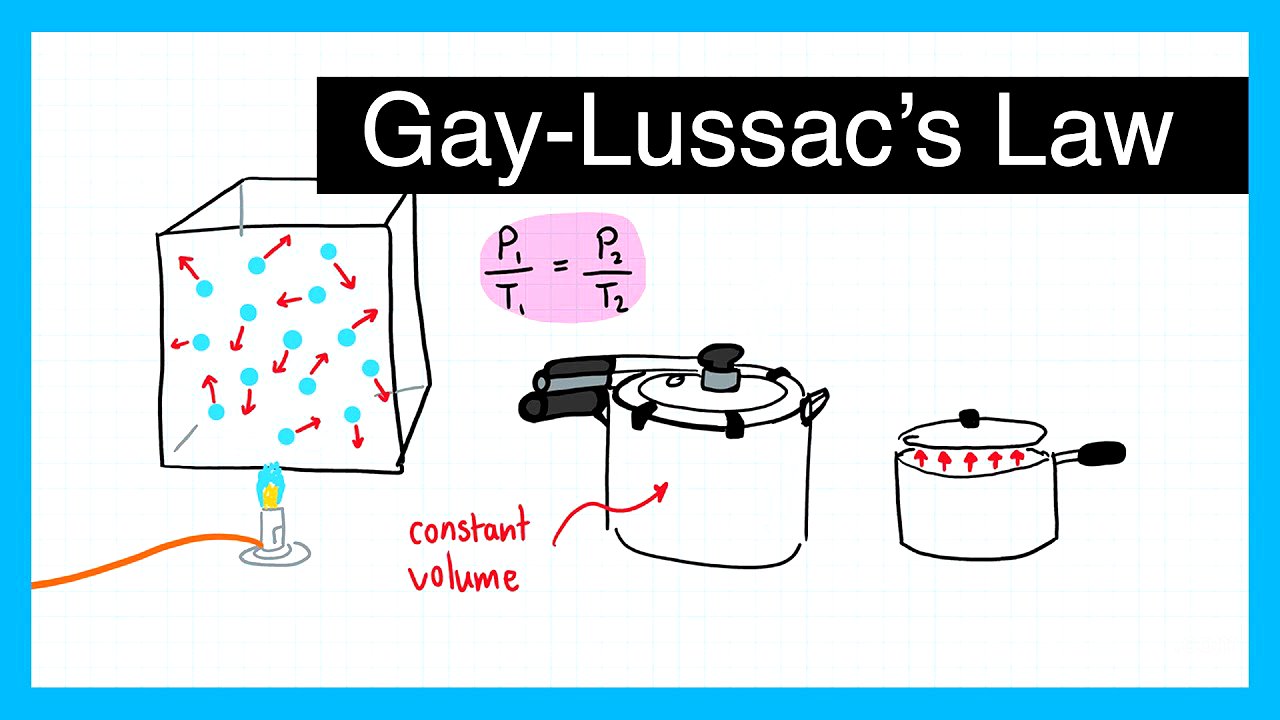
The video begins by discussing the use of pressure cookers for preparing dishes like lamb stew and pulled pork, emphasizing their time and money-saving benefits. It introduces the concept of trapping gas within a container and how increasing the temperature increases the kinetic energy of gas particles, leading to more frequent and forceful collisions against the container walls. This results in increased pressure, demonstrating the relationship that pressure is proportional to temperature.
The narrator explains one of the key gas laws, stating that the ratio of initial pressure to initial temperature remains constant when considering the final states of a gas within a fixed volume. A graphical representation would show this relationship as a linear graph, illustrating constant proportionality.
Finally, the video contrasts the operation of a pressure cooker with that of a traditional pot, explaining that the pressure cooker locks in the fluid volume to effectively concentrate energy towards increasing temperature and pressure. In contrast, if a traditional lid rises, it allows some energy to be diverted towards increasing volume rather than solely increasing temperature and pressure, making the pressure cooker a more efficient cooking method.