TLDR;
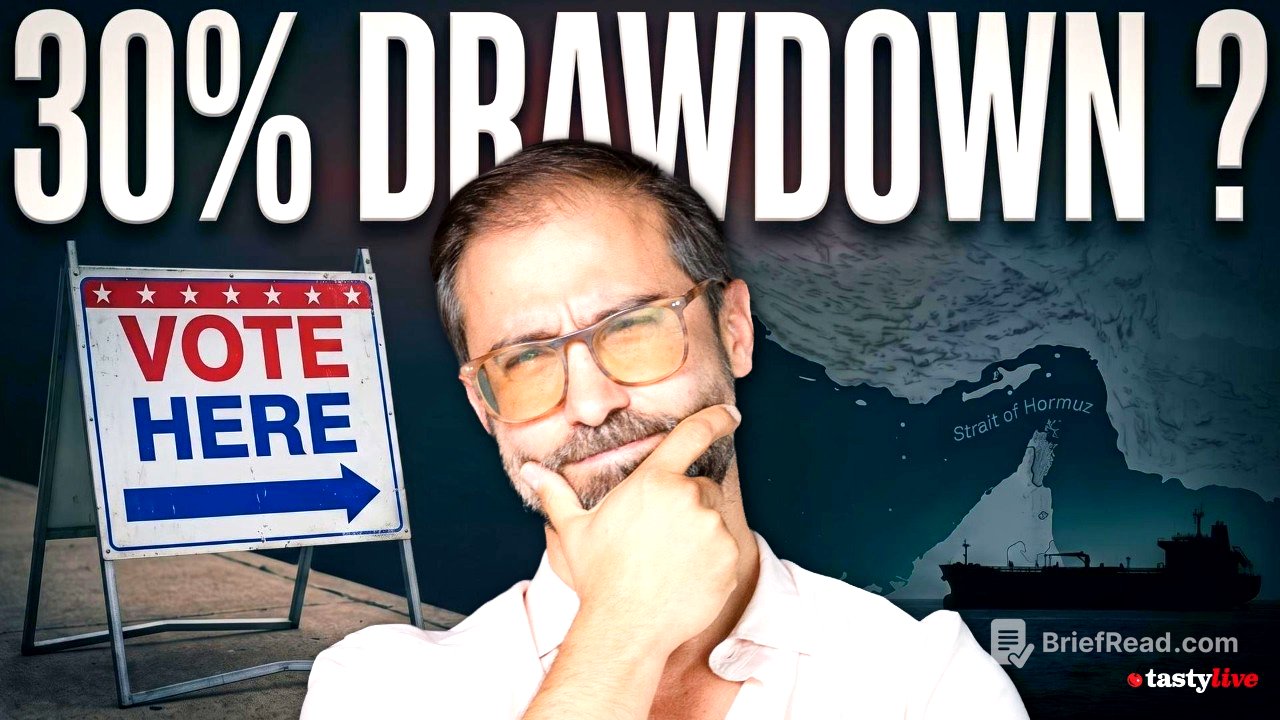
This video discusses the current state of the markets in the context of inflation, geopolitical issues, and upcoming political events like the midterms. Key points include:
- July CPI aligns with market expectations but shows weak demand and potential for rising inflation.
- The influence of oil and commodity prices on inflation amid geopolitical tensions.
- Upcoming midterms driving policies aimed at maintaining asset prices.
- Volatility dynamics expected in the market before and after midterms, with a cautious outlook for the post-election period.
Impact of July CPI on Market Sentiment [0:00]
The July Consumer Price Index (CPI) aligns with expectations, leading to a decrease in the VIX volatility index. Market reactions indicate a lack of concern, although CPI data is regarded with skepticism. There are signs of weak demand and stable core inflation, suggesting inflation is mainly a problem of supply, particularly concerning commodities. If issues in vital supply routes are not resolved, inflation is likely to worsen unless there is a significant downturn in GDP.
Geopolitical Factors and Dollar Dominance [4:00]
The ongoing geopolitical tensions highlight the struggle over control of trading routes and the U.S. dollar’s reserve status. The speaker emphasizes that the conflict involves more than conventional military aspects, focusing on maintaining dollar dominance in global trade. The risks involved in trade disruptions with countries like China and Iran complicate the geopolitical landscape and have deep implications for inflation and the U.S. economy.
Political Strategies Ahead of the Midterms [7:50]
With midterm elections approaching, there are proposals on potential capital gains tax cuts that appear to aim at boosting market sentiment. However, there remains skepticism about whether such policies truly benefit the wider population, particularly when economic growth seems concentrated among the wealthiest. The current economic policies reflect an attempt to support asset prices leading up to the elections while acknowledging that post-midterm approaches may change significantly.
Market Volatility as the Midterms Approach [9:40]
The discussion around market volatility highlights expectations for increased fluctuations as August progresses. As the market prepares for OPEX (Options Expiration), realized volatility is likely to rise despite current low implied volatility. The historical tendency for higher volatility during this time contributes to a cautious outlook, with ongoing pressure from potential political developments suggesting a complex balance between market stability and the need for volatility as events unfold in September.
Potential Outcomes After the Midterms [14:00]
Post-midterm outcomes remain uncertain, with predictions of increased volatility and potential market corrections once the elections are over. Depending on the election results, the administration's ability to drive market stability could face challenges, especially if there is a significant loss of control. The conversation delves into how the administration's strategies could shift drastically after the elections and caution against relying too heavily on current market conditions.
Current Market Dynamics and Investor Strategies [16:40]
In the face of current market conditions, there are strategies being suggested for traders, such as buying longer-dated volatility options to hedge against potential downward pressures. The disparity between expected volatility and actual market movement indicates potential opportunities, calling for greater caution. The prevailing sentiment shows that traders must remain agile and adaptive amid stagnant market movements, suggesting that proactive measures could yield better protection against upcoming shifts.
Broader Market Sentiment Indicators [20:50]
The Bank of America bull-bear spread, currently indicating extreme bullishness in the market, raises concerns about overexuberance among investors. The video's discussion acknowledges strong administrative support for market conditions, but warns that this can lead to precarious positioning as inflationary pressures rise. Traders are advised to stay vigilant of potential timing issues that could result in significant market corrections as underlying conditions evolve.
Conclusion: Market Outlook Amid Structural Changes [23:50]
Overall, the insights underscore that structural factors in the market, combined with geopolitical and political influences, create a complex landscape for investors. The ongoing volatility and market policies aim to maintain a favorable environment leading into the midterms, while caution is warranted for the subsequent period as systemic issues, including monetary policy and inflation, surface. The discussion suggests that investor strategies should consider both current market dynamics and the potential for shifts ahead.




![[Densetsu.EXE Lore Video] We're Gonna Take Akiba!](https://wm-img.halpindev.com/p-briefread_c-10_b-10/urlb/aHR0cDovL2ltZy55b3V0dWJlLmNvbS92aS9rT0xwYm0wZXR2SS9ocWRlZmF1bHQuanBn.jpg)