TLDR;
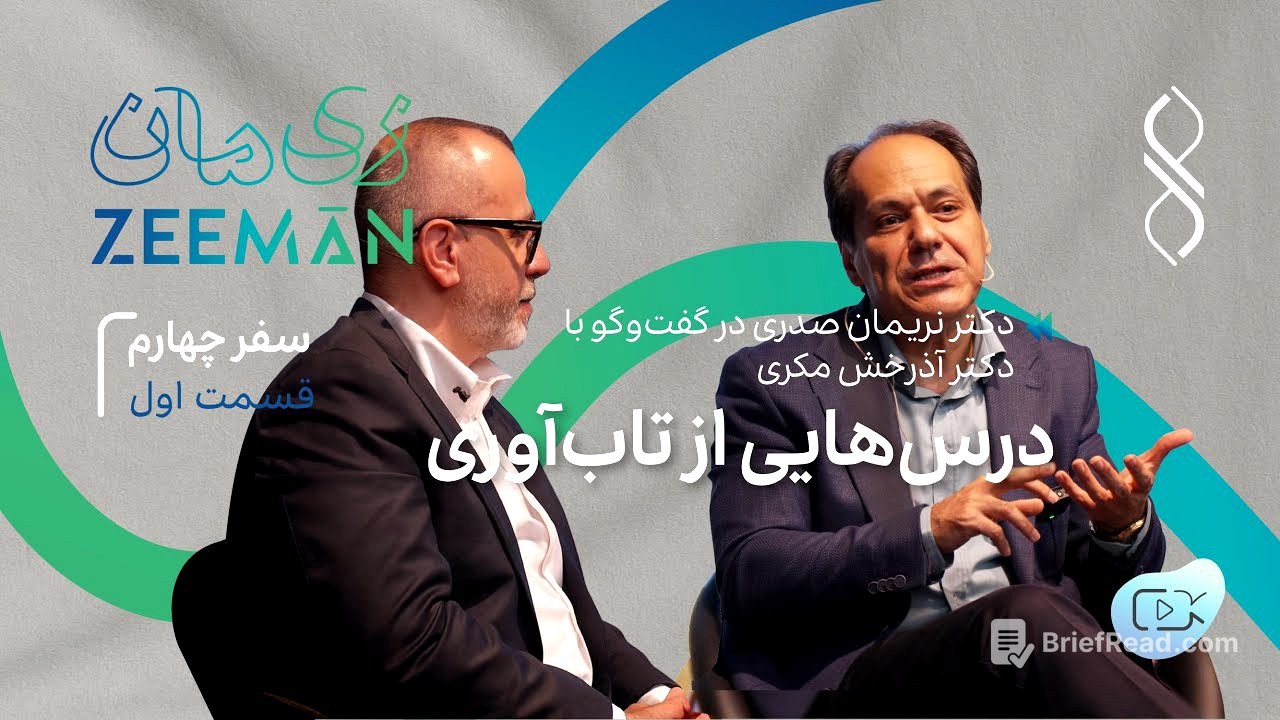
This video discusses resilience and its relationship with longevity, featuring a discussion led by Dr. Nariman Sadri at a conference hosted by the Iran-Austria Chamber of Commerce. Key points include the differences in how individuals respond to adversity, the concepts of empathy fatigue, the importance of emotional awareness, and how specific traits affect a person's ability to cope with challenges and stress.
- Resilience is the ability to return to a normal state after experiencing difficulties.
- Empathy fatigue can occur when individuals are exposed to chronic stress, impacting their outlook and emotional health.
- Different personal traits influence one's ability to cope with stress and may determine longevity.
Understanding Resilience and Empathy [0:00]
In this chapter, the speaker introduces the definition of resilience and the concept of empathy fatigue, explaining how individuals can become overwhelmed by chronic emotional demands. It highlights that true artistry lies not just in progress but in effectively dealing with setbacks. The conversation touches on the significance of emotional awareness and coping strategies, linking them to overall well-being and longevity.
The Link Between Stress and Longevity [1:00]
This section delves into the role of cortisol, a stress hormone, in the body and its implications for physical and mental health. Elevated cortisol levels can lead to health issues and impact one's lifespan. The discussion also addresses how stressful experiences can manifest in various forms, including regrets and feelings of hopelessness, which may prevent individuals from moving forward after setbacks.
Personal Experiences and Observations [2:00]
Dr. Sadri reflects on his experiences treating individuals in rehabilitation settings, revealing that many face emotional challenges once they give up addictive substances. He discusses how feelings of loss and nostalgia can hinder recovery. Successful individuals often struggle to adjust to normal life after addiction, as they inevitably confront unfulfilled ambitions and regrets.
Research on Resilience Post-Adversity [3:00]
Following the events of September 11, 2001, researchers began exploring how people recover from traumatic incidents. The video presents findings indicating that individuals can follow three paths; some rebound quickly, while others remain affected for longer periods. The speaker discusses the importance of initial reactions and how individuals can manage their emotional responses effectively.
Coping Strategies for Difficult Times [4:00]
Thoughts on how to train resilience highlight the need for individuals to perceive challenges positively rather than as threats. The speaker suggests reframing one's perspective towards coping with crises, viewing them as opportunities for growth. The significance of recognizing emotional cues in oneself plays a crucial role in maintaining resilience and mental health.
Various Factors Influencing Resilience [5:00]
Investigating the traits of resilient individuals, the video identifies characteristics that contribute to success in overcoming adversity. Key traits include emotional awareness, flexibility, and the ability to adapt to changing situations. The chapter illustrates how understanding different responses to stress leads to effective coping mechanisms.
Cultural Lens on Resilience [6:00]
The discussion shifts towards the cultural aspects of resilience, demonstrating how societal norms influence individual emotional management. It emphasizes that resilience can prosper in different contexts, and varying backgrounds contribute to diverse coping strategies. The importance of community support and shared experiences is acknowledged as essential for fostering resilience.
Concluding Insights on Longevity [7:00]
Finally, Dr. Sadri addresses the multifaceted nature of longevity, stressing that resilience is not solely biological but also includes psychological and emotional dimensions. He concludes by highlighting the necessity of nurturing self-continuity throughout life, which positively affects one's health and lifespan. This chapter reiterates the importance of maintaining a harmonious relationship with oneself at different life stages for a healthier, longer life.
![Unang Balita sa Unang Hirit: (Part 2) MARCH 9, 2026 [HD]](https://wm-img.halpindev.com/p-briefread_c-10_b-10/urlb/aHR0cDovL2ltZy55b3V0dWJlLmNvbS92aS9XSllWMVhyeU03TS9ocWRlZmF1bHQuanBn.jpg)