TLDR;
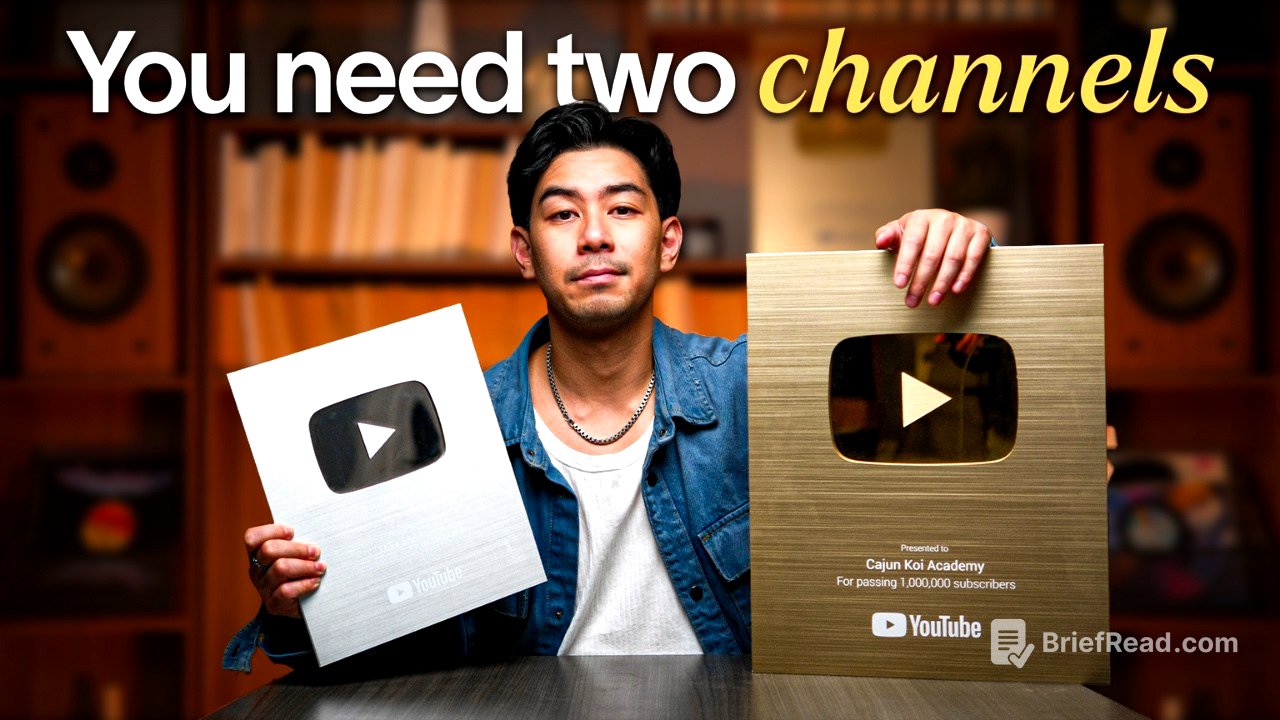
In this video, Mike and Matty discuss the advantages of starting a second YouTube channel and how it can enhance business revenue. They detail their own experiences with channel strategies and metrics that matter for growth and conversions.
- Launching a second channel can lead to higher revenue through effective content strategies.
- A two-channel approach allows for a combination of broad reach and deeper engagement with potential clients.
Starting a Second YouTube Channel [0:00]
In September 2025, Alex Hermoszi initiated a second music YouTube channel, which quickly became more profitable than his main channel. Within six months, this channel had generated significant revenue through strategically crafted content. The video highlights how Mike and Matty developed their own second channel, aiming to create a symbiotic relationship between the two channels that dramatically boosted their business revenue.
The Two-Channel Strategy [1:04]
Mike explains the two-channel strategy as a marketing engine rather than a burden. The main channel captures broad interest and reaches new viewers, while the smaller channel offers a deeper dive into the business and services. This synergy means that viewers attracted to the main channel can explore more specific content on the secondary channel, ideally leading to higher conversion rates for potential clients. Each channel should cater to a different audience segment to avoid redundancy.
Content Creation for Each Channel [1:40]
Mike shares specific examples of content that aligns with their two-channel strategy. His main channel produced content targeting aspiring YouTubers and entrepreneurs, attracting a wide audience. The key takeaway is that videos with strong retention rates signal genuine interest, and directing viewers to deeper content generates more leads. A video that encouraged viewers to explore more advanced strategies significantly boosted their revenue, proving the effectiveness of this targeted approach.
Measuring Success: Revenue Per View [3:20]
Unlike traditional metrics like view counts, Mike stresses the importance of measuring revenue per view as a critical success factor, which isn’t readily available in YouTube analytics. Instead, business owners should calculate this using analytics tools to determine which channel drives actual sales. Mike illustrates using his channels as examples; whilst one video on the main channel received millions of views, a smaller video on the second channel generated far greater revenue, underscoring the importance of viewing performance through the lens of profitability.
Integrating the Second Channel into Sales [5:30]
Mike notes how incorporating the secondary channel within the sales process can significantly impact closing rates. By sharing videos from the smaller channel with potential clients, he found that those who had viewed multiple videos were more likely to convert during sales calls. This method not only builds familiarity but also leverages content to create a seamless path for prospects leading to the call.
Content Strategy for the Second Channel [7:40]
The discussion covers what kind of content works best on the second channel. Mike breaks down Alex Hormozi’s approach, emphasising volume and interaction-focused content that showcases the business's operations and client relationships. Videos should resonate authentically with viewers, illustrating real connections, and routinely include clear calls to action that gently remind viewers to engage with services offered. This direct approach helps convert interested viewers into clients without appearing overly sales-driven.
Final Thoughts on Channel Strategy [13:10]
In conclusion, the video emphasises that the foundation for future success on YouTube lies in creating valuable content tailored for business goals. Mike encourages other creators and business owners to explore the opportunity to start a second channel, as many have yet to embrace this trend. The video ends with a suggestion for those still developing their first channel to seek strategies that can increase initial traction and sales.
![AI in HR: What You Need to Know [2025]](https://wm-img.halpindev.com/p-briefread_c-10_b-10/urlb/aHR0cDovL2ltZy55b3V0dWJlLmNvbS92aS96c0hYSzFZNTd5RS9ocWRlZmF1bHQuanBn.jpg)