TLDR;
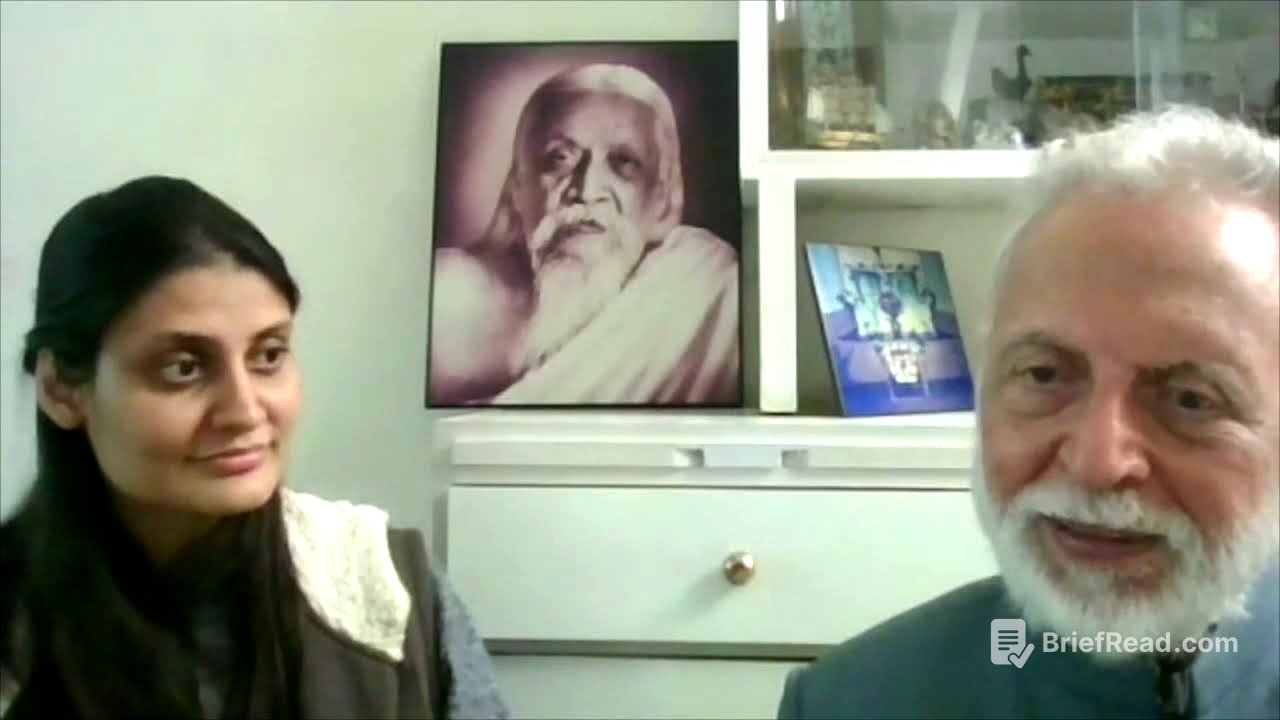
This video features a discussion on the differences between religion and spirituality, the role of a guru, and the shift towards spirituality in the modern world. It emphasizes personal experience and inner transformation over rigid doctrines and rituals, advocating for a universal spirituality that promotes peace and understanding.
- Religion is described as structured with distinct identities, rituals, and potential for conflict.
- Spirituality focuses on personal experience, inner peace, and universal connection.
- The role of a guru is to guide and inspire, but not to be blindly followed or worshipped.
- Modern society is seeing a shift towards spirituality as people seek personal growth and universal values.
Religion vs. Spirituality: Key Differences [1:38]
The speaker begins by differentiating between religion and spirituality, noting that religion often involves belief in a specific God and adherence to established doctrines and rituals. Spirituality, on the other hand, emphasizes personal experience and inner transformation. While religion provides a structured framework, spirituality is more about individual exploration and connection to something greater than oneself.
The Role of Rituals and Idols [3:22]
The discussion addresses the role of myths, legends, rituals, and ceremonies in religion, explaining that these elements serve as a framework for religious processes. However, the speaker notes that spirituality tends to downplay the importance of specific rituals and idols, focusing instead on inner development and personal connection. While some spiritual paths may incorporate rituals, they are not considered essential for spiritual growth.
The Significance of a Guru [4:49]
The role of a guru (spiritual teacher) is explored, with the speaker clarifying that a guru serves as a guide and source of inspiration, but should not be blindly followed or worshipped. The true guru is one's own spirit and sincerity. Limitations of guru in thought and limitations must be decided by disciple. The guru-disciple relationship should be based on mutual respect and understanding, with the disciple maintaining their own discernment and critical thinking.
Modern Shift Towards Spirituality [7:41]
The conversation shifts to the increasing interest in spirituality, particularly in Western countries. This trend is attributed to a desire for personal growth, inner peace, and a sense of connection that transcends traditional religious boundaries. The speaker suggests that the future lies in a universal spirituality that embraces diversity and promotes understanding, avoiding the conflicts often associated with organized religion.
Achieving Peace and Understanding [10:34]
The speaker emphasizes that moving away from rigid religious structures towards spirituality can lead to greater peace and understanding. By focusing on universal values and personal experiences, individuals can avoid conflicts and cultivate a more harmonious world. The ultimate goal is to manifest a better version of oneself through spiritual practice, contributing to a more compassionate and connected global community.
The Essence of Spiritual Path [12:16]
The video concludes by reiterating that the essence of the spiritual path is to find inner peace and connect with something greater than oneself. This involves detaching from worldly desires and attachments, and cultivating a sense of detachment and equanimity. The speaker encourages viewers to embark on their own spiritual journey, seeking truth and understanding through personal experience and inner reflection.