TLDR;
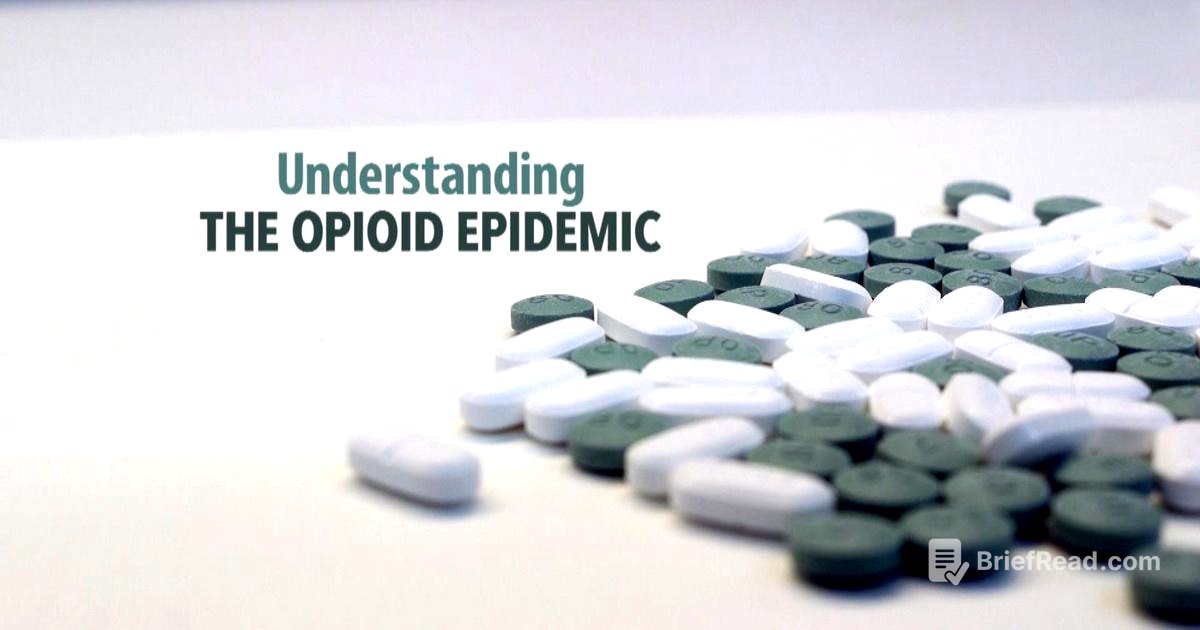
"Understanding the Opioid Epidemic" is a documentary that explores the opioid crisis in America, detailing its origins, impact on communities, and potential solutions. It combines personal stories with expert insights to trace the epidemic's history, fueled by prescription pain medications, and its evolution into heroin and fentanyl abuse. The documentary also addresses the roles of pharmaceutical companies, healthcare providers, and insurance companies in the crisis, while highlighting the importance of prevention, treatment, and community support to combat this widespread issue.
- The opioid epidemic is driven by prescription pain medications and has led to increased heroin and fentanyl abuse.
- Pharmaceutical companies, healthcare providers, and insurance companies all play a role in the crisis.
- Prevention, treatment, and community support are essential to combating the epidemic.
Understanding the Opioid Epidemic
The documentary "Understanding the Opioid Epidemic" combines personal stories and expert analysis to explore the multifaceted crisis of opioid addiction in America. It aims to trace the history of the epidemic, examine its impact on individuals and communities, and identify potential solutions. The program emphasizes the importance of understanding the epidemic's roots and addressing the various factors that contribute to its persistence.
The Human Cost of Opioid Addiction
The documentary presents several personal stories, including that of Michael Israel, who became addicted to prescription opioids and tragically took his own life at the age of 20. These narratives highlight the devastating impact of opioid addiction on individuals and families, illustrating how easily addiction can occur and the profound sense of loss and confusion it leaves behind. The stories underscore the urgent need for greater awareness and understanding of addiction.
The Role of Prescription Pain Medications
The documentary identifies prescription pain medications as a primary driver of the opioid epidemic, citing the Centers for Disease Control. It notes that the medical community's over-prescription of opioids has significantly contributed to the crisis. The program includes interviews with medical experts who acknowledge the risks associated with opioid prescriptions and the need for more cautious prescribing practices.
The Shift to Street Drugs
The documentary explains how many individuals addicted to prescription pain pills turn to cheaper and more accessible street drugs like heroin and fentanyl. The story of Cameron, who became addicted to Percocet after a wrestling injury and later turned to heroin, exemplifies this transition. This shift highlights the evolving nature of the opioid crisis and the increasing danger posed by illicit drugs.
Community Impact and Personal Accounts
The documentary visits West Virginia, a state heavily affected by opioid addiction, and features stories from students at Oceana Middle School who have been directly impacted by the crisis. These accounts reveal the widespread effects of drug abuse on families and communities, with children often bearing the brunt of the epidemic. The personal narratives underscore the urgent need for support and intervention to protect vulnerable populations.
The Pharmaceutical Industry's Role
The documentary examines the role of pharmaceutical companies in the opioid epidemic, noting that aggressive marketing tactics and the promotion of opioids for common chronic conditions contributed to increased prescribing rates. It mentions Purdue Pharma's marketing of OxyContin in the 1990s, which included paid trips for doctors and overstated benefits of opioid prescriptions. The documentary also references lawsuits against pharmaceutical companies for misleading the public about the risk of addiction.
The Economics of the Opioid Crisis
The documentary addresses the economic impact of the opioid epidemic, estimating the cost at $75 billion a year. It discusses how insurance providers, including Medicaid, Medicare, and private insurers, bear much of this cost. The program also explores how the fee-for-service healthcare system can incentivize over-prescribing and limit access to alternative pain management treatments.
Addressing the Crisis Through Healthcare
The documentary highlights efforts by health insurers like Aetna to address the opioid crisis by monitoring physician prescribing patterns and contacting those identified as "super-prescribers." It also discusses the importance of alternative pain management treatments and the challenges of getting insurance coverage for these therapies. The need for clinical studies to prove the efficacy of alternative treatments is emphasized.
Interdisciplinary Pain Management
The documentary visits the University of New Mexico Pain Center, which uses an interdisciplinary approach to manage pain and reduce reliance on prescription opioids. This approach involves a team of specialists working together to provide comprehensive care, including medication management, therapy, and other treatments. The benefits of this integrated approach, such as improved patient outcomes and satisfaction, are highlighted.
The Journey from Pills to Heroin
The documentary explores the transition from prescription pain pills to heroin, noting that nearly half of heroin users are first addicted to prescription painkillers. It emphasizes that this shift has changed the demographics of drug addiction, with increases in heroin use among groups with historically low rates. The program also discusses the dangers of fentanyl-laced heroin, which has contributed to a rise in overdose deaths.
Treatment and Recovery
The documentary addresses the challenges of treating opioid addiction, emphasizing that it is a chronic disease that requires long-term management. It highlights the importance of medication-assisted treatment, such as Suboxone, in controlling cravings and reducing the risk of overdose. The program also discusses the need for multiple treatment attempts and the importance of preparing individuals and families for potential relapses.
Overcoming Stigma and Promoting Prevention
The documentary emphasizes the need to overcome the stigma associated with opioid addiction and promote prevention efforts. It calls for massive educational campaigns targeting children, doctors, parents, and public health officials. The program also highlights the role of families who have been affected by the crisis in sharing their stories and advocating for change.
Moving Forward: Education and Responsibility
The documentary concludes by emphasizing the importance of education, prevention, and shared responsibility in combating the opioid epidemic. It highlights the need for early intervention, community involvement, and a shift in thinking about addiction as a disease rather than a moral failing. The program underscores that while there are no easy solutions, progress is possible through collective effort and a commitment to change.