TLDR;
This video presents a comprehensive overview of how a specific fruit, pomegranate, can address cardiovascular health better than conventional medications like statins. Important takeaways include:
- Oxidized LDL cholesterol, rather than total LDL, poses a cardiovascular risk.
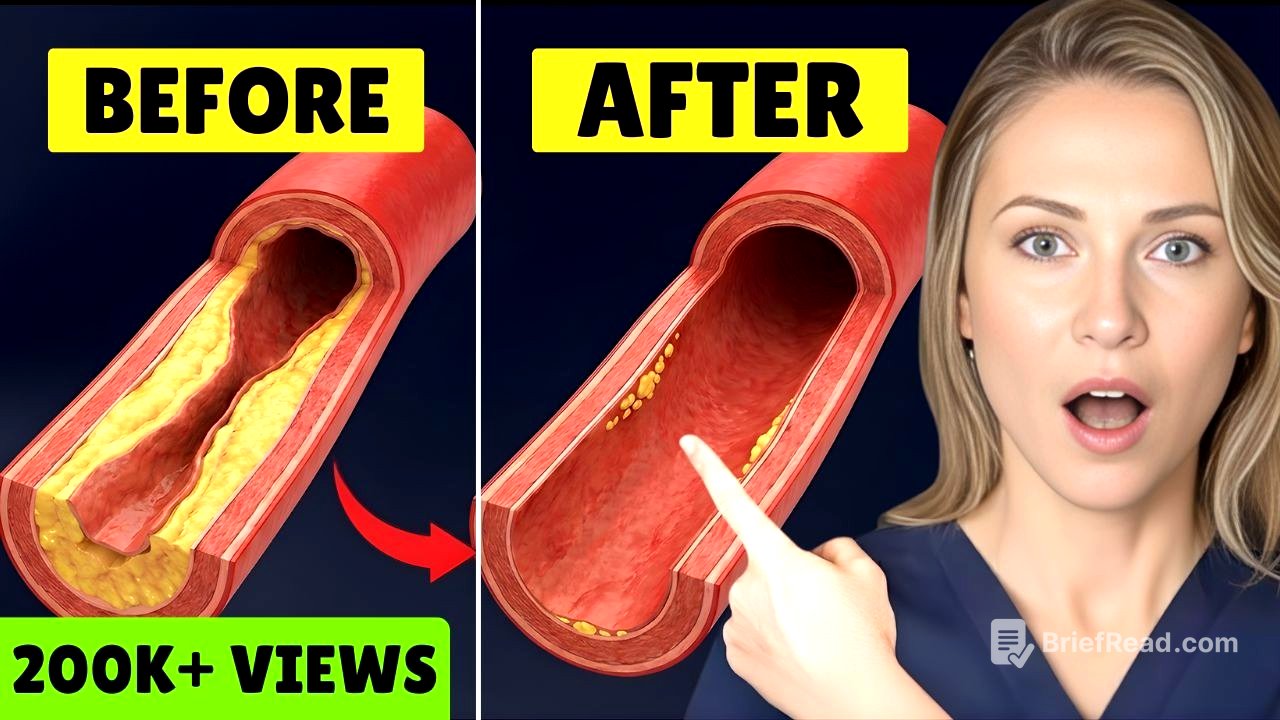
- Pomegranates contain compounds that can reverse plaque buildup in arteries, which has been supported by clinical trials.
- The correct way to consume pomegranate is crucial for attaining its health benefits.
Introduction to Pomegranate Benefits [0:00]
The video begins by highlighting the importance of understanding cholesterol medication and introduces a fruit—pomegranate—that has unique benefits for cardiovascular health. It suggests that many seniors misunderstand how to consume this fruit, potentially harming their arteries instead of protecting them.
Gerald’s Story [1:10]
Gerald, a 71-year-old man, has been taking statins faithfully for nine years with consistently good cholesterol numbers. However, during a routine check-up, his cardiologist reveals that despite these numbers, plaque in his arteries is still growing. This prompts Gerald to question the effectiveness of his treatment, leading to the realization that managing cholesterol numbers does not necessarily stop the underlying disease process.
Understanding LDL and Oxidized LDL [6:20]
The speaker clarifies the difference between LDL cholesterol and oxidized LDL, comparing oxidized LDL to rusted iron which damages arteries. Although Gerald had excellent LDL levels, no one had tested for oxidized LDL, which could have been the real threat due to its destructive properties.
Consequences of Statin Use [8:58]
Statins may lower overall cholesterol but do not prevent LDL from becoming oxidized. This means even with managed numbers, the risk of plaque buildup remains if oxidized LDL levels are not monitored, which has not been a part of Gerald's comprehensive care plan.
Sources of Oxidation [12:54]
Chronic arterial inflammation—caused by factors such as processed foods, smoking, and aging—triggers the oxidation process, leading to the creation of oxidized LDL that contributes to plaque formation. Gerald's condition was aggravated by these factors, going unaddressed by statin treatment.
Mechanisms of Heart Attacks [15:28]
When oxidized LDL penetrates artery walls, the immune system reacts by sending immune cells that attempt to remove it but ultimately become overwhelmed and cause further blockage, forming foam cells. This accumulation leads to plaque that can rupture and cause heart attacks.
Foam Cell Dynamics [19:10]
The video explains that foam cells formed from the immune response contribute to plaque growth and can be a significant reason for blocked arteries. These foam cells can swell and become part of the necrotic core, deteriorating cardiovascular health.
Role of HDL [22:40]
High-Density Lipoprotein (HDL) is seen as protective against heart disease, but as individuals age, the enzyme responsible for oxidized LDL clearance becomes less effective. This malfunctions, allowing oxidized LDL to persist unchallenged, worsening cardiovascular health.
Impact of Inflammation on Plaque Stability [26:28]
Matrix metalloproteinases (MMPs) weaken the fibrous cap of plaques, making them more prone to rupture. The speaker notes that this process may increase the risk of heart attacks, especially during early morning hours when hormonal changes occur.
Pomegranate Mechanisms Explained [29:50]
Pomegranates contain punicolagans that can reverse plaque buildup by evacuating oxidized cholesterol from foam cells, reviving HDL enzymatic activity, and inhibiting MMPs. They also stabilize nitric oxide, crucial for maintaining artery dilation.
Clinical Evidence of Pomegranate Effectiveness [32:10]
Dr. Michael Avaram's study showed that patients taking pomegranate for a year reduced their artery plaque significantly, presenting compelling evidence that pomegranates may reverse atherosclerosis contrary to traditional treatment approaches.
Commercial vs. Whole Fruit [36:50]
It’s crucial to differentiate between commercial pomegranate products and whole fruit preparations. The efficacy of pomegranates resides in certain compounds that are often lost during juice processing, rendering commercial products less effective.
Barbara's Warning [40:15]
Barbara, who consumed commercially available pomegranate juice, found no improvement in her heart health, illustrating a common pitfall where individuals believe they are consuming healthy products that actually impede health due to high sugar content and lack of active ingredients.
Pomegranate Consumption Guidelines [43:10]
The video concludes with practical advice on proper consumption methods for pomegranates to achieve health benefits. It suggests making a whole fruit blend and also considers standardized extracts for more consistent results.
Moving Forward [45:10]
Lastly, viewers are encouraged to consult with healthcare professionals about their cholesterol management and ask for specific tests that measure oxidized LDL. They should also consider adjusting their diets and supplement protocols to include the right type of pomegranate products.





![[Movie Recap] Top Assassin Seeks Revenge on the Boss Who Betrayed Him](https://wm-img.halpindev.com/p-briefread_c-10_b-10/urlb/aHR0cDovL2ltZy55b3V0dWJlLmNvbS92aS9ET0tVSDhwZ09NWS9ocWRlZmF1bHQuanBn.jpg)