TLDR;
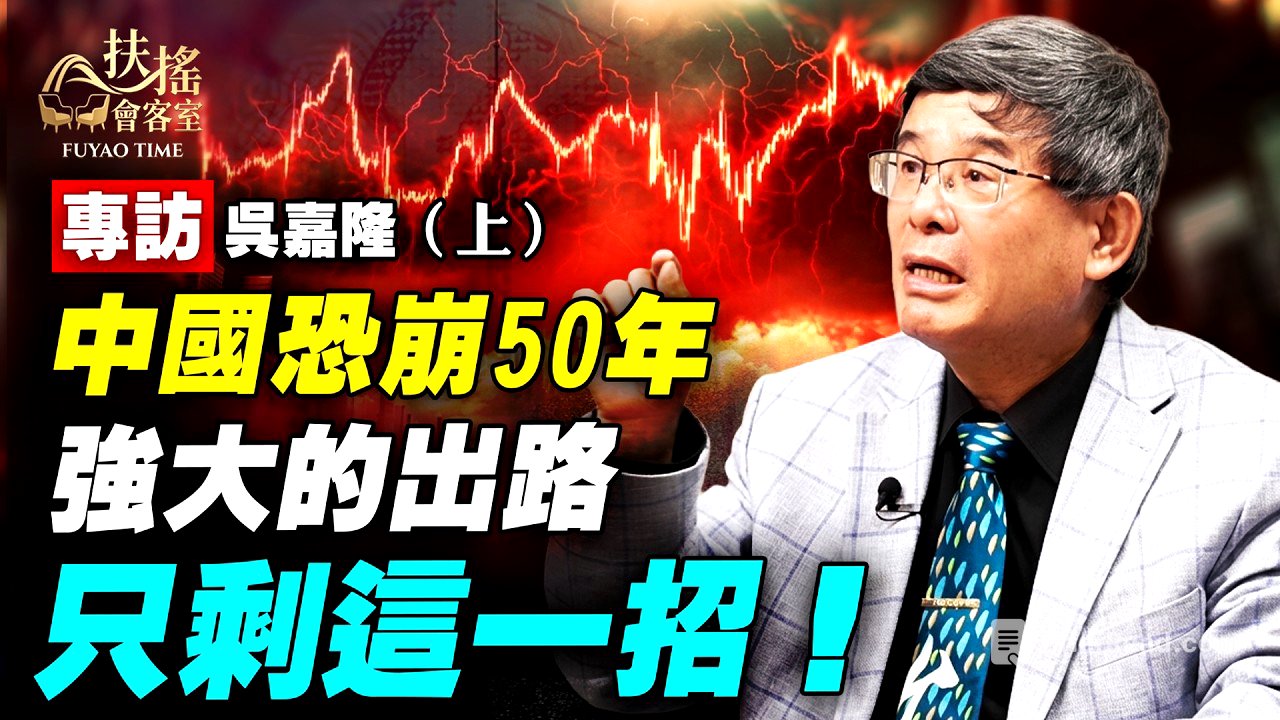
In this video, Mr. Wu Jialong discusses various aspects of the current Taiwan-China relations, American foreign policy, and the economic challenges faced by China. Key takeaways include:
- The need for Taiwan to implement military education systems to counter the influence of the People's Liberation Army.
- The importance of understanding China's economic structure, which is currently facing significant challenges including real estate and unemployment crises.
- A discussion on the historical and cultural implications of China's governance and its effects on innovation and growth.
Introduction and Guests [0:00]
The host welcomes Mr. Wu Jialong to the show. Mr. Wu is not connecting through a screen but is physically present for the interview. The audience is informed of his recent travels to America and interactions with key governmental figures.
Taiwan’s Military Education and U.S. Interaction [0:05]
Mr. Wu shares insights about the meetings that took place in the U.S. Congress regarding Taiwan. He notes the normalcy of such interactions and emphasizes the importance of citizen engagement in democracy, pointing out the standard practices during these meetings.
Cybersecurity and Military Education in Taiwan [0:59]
Mr. Wu highlights two main issues discussed during the meetings: cybersecurity consultation and the integration of U.S. military education systems into Taiwan. He argues that Taiwan's military needs modernization, specifically away from the outdated training models stemming from the KMT era.
Taiwan-China Economic Relations [2:11]
He discusses the extensive economic interactions between Taiwan and China over the past 30 years, emphasizing capital flight to the mainland. He provides an example of the eel industry that initially thrived in Taiwan before being moved to the mainland, highlighting Taiwan's loss in various sectors.
The Evolving Military Landscape [2:36]
The dialogue turns to Taiwan's defense strategies, where Mr. Wu suggests that the U.S. should help Taiwan develop its military capabilities by setting up training programs, similar to those the U.S. currently operates. He views these potential developments as critical in countering the growing threats from China.
China's Domestic Challenges [3:26]
Mr. Wu outlines significant domestic issues in China, including the instability in the real estate market and rising unemployment rates. He points out that these crises threaten China's economic stability, potentially leading to broader social unrest.
Centralized Control and Innovation [5:10]
He explores how the centralized governance of the Communist Party of China stymies individual innovation and entrepreneurial spirit, arguing that a system that impedes personal freedoms cannot effectively foster creativity essential for economic growth.
Western Relationships with China [13:44]
Mr. Wu reflects on historical interactions between the U.S. and China, cautioning that former partnerships often turned adversarial as power dynamics shifted. He notes that the U.S. historically underestimated the nature of China's leadership and governance.
Conclusion on China’s Future [18:30]
The discussion concludes with Mr. Wu expressing skepticism about China's capability to recover from its current economic turmoil. He warns that if structural problems remain unaddressed, China might face prolonged stagnation similar to Japan's lost decades.