TLDR;
This video explores the life cycle of infected individuals in HBO's adaptation of "The Last of Us," detailing the transition from the initial bite to the various types of infected and when they ultimately die. Key points include:
- The infection is spread by bites or airborne spores, affecting the brain and altering behavior.
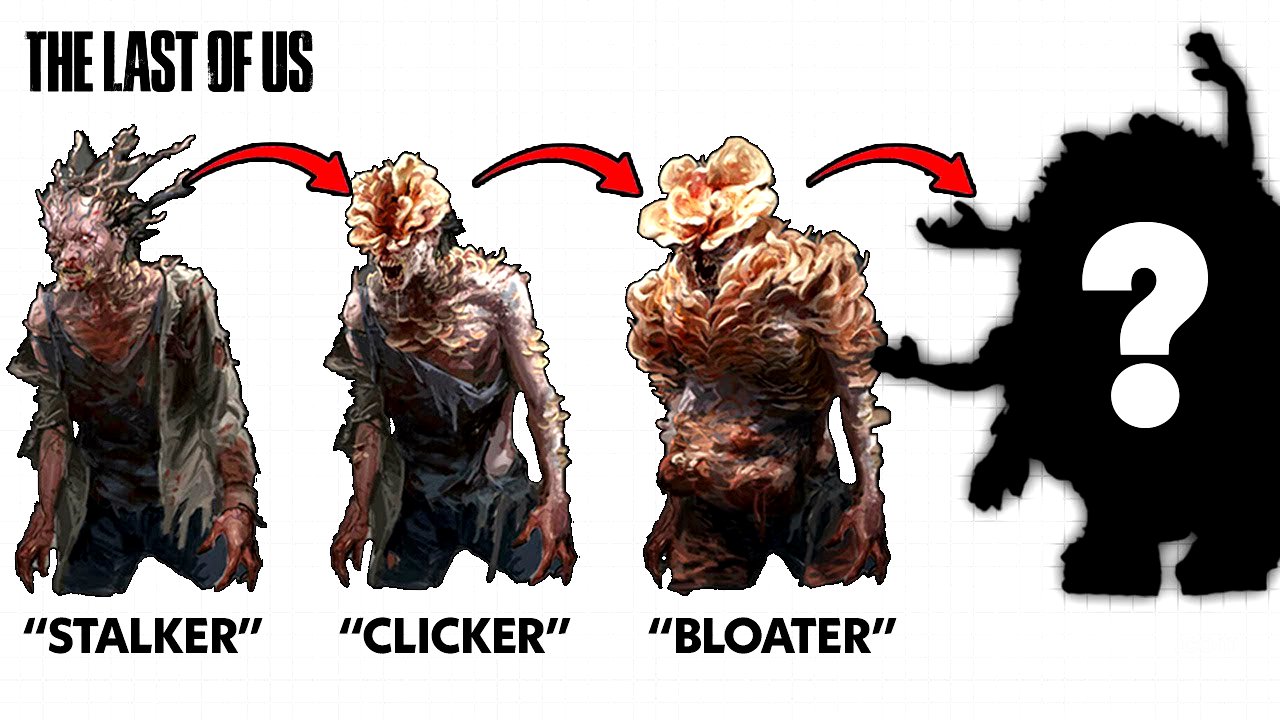
- Different infected types include Runners, Stalkers, Clickers, Bloaters, Shamblers, and the Rat King, each with distinct characteristics and stages of infection.
- The lifespan of infected individuals varies significantly based on external factors, body condition, and how the fungus affects them.
When do the Infected die? [0:00]
The video begins with an overview of how the cordyceps fungal infection spreads through bites or spores, leading to the eventual demise of the host. It discusses how the infection progresses, starting from the initial bite that causes intense symptoms and animalistic behavior, ultimately resulting in the host becoming purely driven to spread the infection.
The First Bite [0:19]
The first bite initiates the infection process, causing the host to display acute symptoms such as sweating, disorientation, and muscle spasms. Depending on the location of the bite, an individual can become a Runner in as little as five minutes or take up to two days. The infection hijacks the brain, erasing memories and instincts, pushing the host to infect others.
Runners [1:12]
Runners are individuals who have just become infected, showcasing speed and erratic behavior in group attacks. Common symptoms include hair loss, bloodshot eyes, and lesions on the skin. The video notes a “hive mind” effect, where Runners can be alerted to the presence of other infected in response to certain stimuli.
Stalkers [1:40]
Stalkers are further along in infection, existing from two weeks to a year. They exhibit stealthy behavior, hiding from their prey and attacking when opportunities arise. Stalkers often cling to walls to let the infection grow while waiting for victims. Their appearance includes significant fungal growth around facial features, causing physical deformities.
Clickers [2:06]
Clickers, infected for over a year, undergo severe physical changes such as skull splitting due to fungal growth and loss of eyesight, relying instead on echolocation. They possess enhanced strength, making them formidable in close encounters. Their grotesque appearance is marked by clawing at the fungus covering their faces, suggesting a vestige of their former selves.
Bloaters [2:53]
Bloaters represent a stage of infection lasting over two years, characterized by extreme physical distortion. They become slow and blind but are incredibly strong and resilient, with fungal growth acting as armor. Bloaters can create Spore bombs by tearing fungus from their bodies but are more vulnerable to fire due to this advanced growth.
Shamblers [3:23]
Shamblers, infected longer than Bloaters, are primarily found in water-rich areas. They are not as strong but can grapple with prey and emit harmful spores that cause skin burns. Upon death, they unleash a final wave of spores, continuing the cycle of infection in their vicinity.
The Rat King [3:43]
The Rat King is a unique entity formed from multiple infected individuals after over 20 years of infection in a Seattle hospital. It possesses immense physical power, capable of sustaining significant damage and continuing to fight even after losing infected parts, which can attack independently from the main body.
Death [4:06]
The video concludes by addressing when infected individuals actually die. Without human intervention, their lifespan is highly variable. Some may live weeks, while others can survive for decades influenced by environmental factors and body condition. Interestingly, infected beings can express feelings like pain and fear, showing a lingering connection to their past humanity even as the fungus takes control.