TLDR;
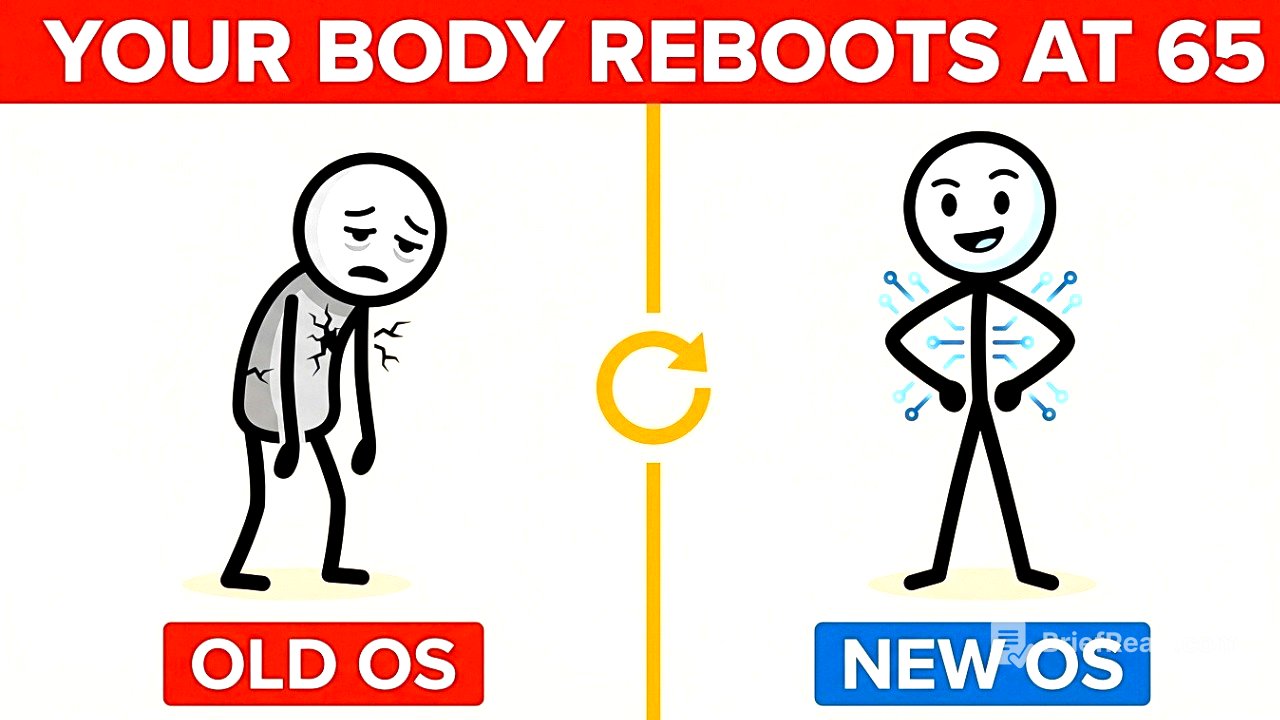
This video discusses how the body's needs and functions change after age 65, requiring a shift in health strategies. It covers key physiological changes affecting the heart, brain, metabolism, hormones, muscles, and immune system, emphasizing the importance of understanding these changes to maintain health and vitality. The video provides actionable advice based on current research to address these changes and promote healthy aging.
- The heart undergoes changes such as stiffening and arterial stiffness, impacting blood flow and increasing the risk of cardiovascular events and cognitive decline.
- The brain experiences white matter degradation, reduced lymphatic function, and dopamine decline, affecting processing speed, waste removal, and motivation.
- Metabolism slows down due to mitochondrial dysfunction and insulin resistance, leading to increased visceral fat and inflammation.
- Hormonal changes, including declines in testosterone, growth hormone, and DHEA, along with cortisol and thyroid imbalances, contribute to fatigue, brain fog, and muscle loss.
- Muscle mass and function decline, particularly fast-twitch fibers, increasing the risk of falls and fractures.
- The immune system experiences inflammaging, driven by cellular senescence, leading to chronic low-grade inflammation and tissue damage.
Introduction: The Body's Operating System After 65 [0:00]
After the age of 65, the body undergoes significant changes that require a different approach to health and wellness. Much of the conventional health advice regarding diet, exercise, and supplements is designed for younger bodies and may not be as effective or appropriate for those over 65. The body's operating system changes, and the rules that once kept you healthy may no longer apply in the same way.
The Aging Heart: Dysfunction and Arterial Stiffness [1:32]
After 65, the heart undergoes changes such as diastolic dysfunction, where the heart muscle stiffens and cannot relax properly between beats, reducing blood circulation. Arterial stiffness, where artery walls lose elasticity, becomes a significant issue, often more predictive of cardiovascular events than cholesterol or blood pressure. This stiffness causes pressure waves to hit the brain, kidneys, and eyes harder, contributing to cognitive decline. Additionally, baroreceptor sensitivity declines, leading to issues with blood pressure regulation and increasing the risk of falls.
The Aging Brain: Connections, Waste Disposal, and Dopamine [9:27]
The aging brain experiences a loss of connections between neurons, impacting skills, memories, and personality traits. White matter degradation slows processing speed, while the lymphatic system's decline reduces the brain's ability to clear metabolic waste, including amyloid beta, increasing the risk of dementia. Dopamine production decreases, affecting motivation, drive, and working memory, leading to age-related apathy. Exercise can stimulate BDNF production, promoting new synaptic connections and neuroplasticity. Untreated hearing loss significantly contributes to dementia risk by increasing cognitive load.
Metabolism After 65: Mitochondria, Insulin, and Inflammation [16:12]
After 60, metabolism slows, and cells become less efficient at using energy due to mitochondrial dysfunction. Insulin resistance becomes common, leading to elevated blood sugar levels and increased insulin production, which drives systemic inflammation. Visceral fat accumulates, acting as a rogue endocrine organ that secretes inflammatory cytokines. Gut microbiome diversity collapses, with less beneficial species declining and more inflammatory species filling in. Liver blood flow decreases, affecting medication processing and increasing the risk of non-alcoholic fatty liver disease (NAFLD). Time-restricted eating can trigger autophagy, improving insulin sensitivity and reducing visceral fat markers.
Hormonal Changes: Testosterone, Growth Hormone, and Cortisol [23:32]
Hormonal changes after 65 significantly impact overall health. Testosterone declines in both men and women, leading to muscle loss, bone thinning, and mood instability. Growth hormone levels decrease, affecting tissue repair, fat metabolism, and sleep quality. Cortisol rhythms flatten, causing less energy in the morning and worse sleep at night, with elevated nighttime cortisol being toxic to the hippocampus. Subclinical hypothyroidism affects many adults over 65, causing fatigue, brain fog, and weight gain, often misattributed to aging.
Muscle Loss: Sarcopenia and Its Consequences [29:12]
Muscle mass declines at an alarming rate after 65, with a preferential loss of type two muscle fibers, affecting power and rapid force production. This increases the risk of falls and fractures, with hip fractures in adults over 65 carrying a high mortality rate. Neuromuscular junctions degrade, and bone density decreases, particularly after menopause in women. However, muscle responds to training at any age, with studies showing significant gains in muscle size and strength after resistance training, even in adults in their 80s.
Inflammaging: The Master Regulator [33:52]
Inflammaging, chronic low-grade inflammation, is a master regulator of biological aging. The innate immune system stays permanently activated, driving tissue damage across the body. Cellular senescence, where cells stop dividing but don't die, leads to the secretion of inflammatory chemicals, spreading to neighboring cells. Senolytics, drugs that selectively clear senescent cells, have shown dramatic results in animal models. Lifestyle interventions such as exercise, time-restricted eating, and stress management can reduce the rate of senescent cell accumulation.
Actionable Steps for Healthy Aging [39:21]
To promote healthy aging, several biology-driven specifics are recommended. Resistance training is non-negotiable, addressing sarcopenia, bone density loss, insulin resistance, and inflammation. Protein needs increase after 65, with a target of 1.2 to 1.6 grams per kilogram of body weight per day. Sleep is infrastructure, with 7 to 8 hours of consistent sleep being crucial for brain cleaning, hormone regulation, and memory consolidation. A proper hormone panel should be obtained, and inflammation should be measured directly. The microbiome should be deliberately fed with fermented foods and diverse plant foods. The brain should be challenged with novelty, and cardiorespiratory fitness should be tracked. DHEA levels should be monitored, and social connection should be prioritized.
The Blue Zones: Lessons from the Longest-Lived [48:57]
The five blue zone regions of the world, where people live the longest in good health, share consistent behaviors. These include daily physical activity, a diet of whole, minimally processed foods with high plant diversity, strong social connection, a clear sense of purpose, continued meaningful challenge, and adequate sleep. These behaviors directly address the heart, brain, metabolism, hormones, muscles, and immune system. The key to aging well is having better information and acting on it consistently.