TLDR;
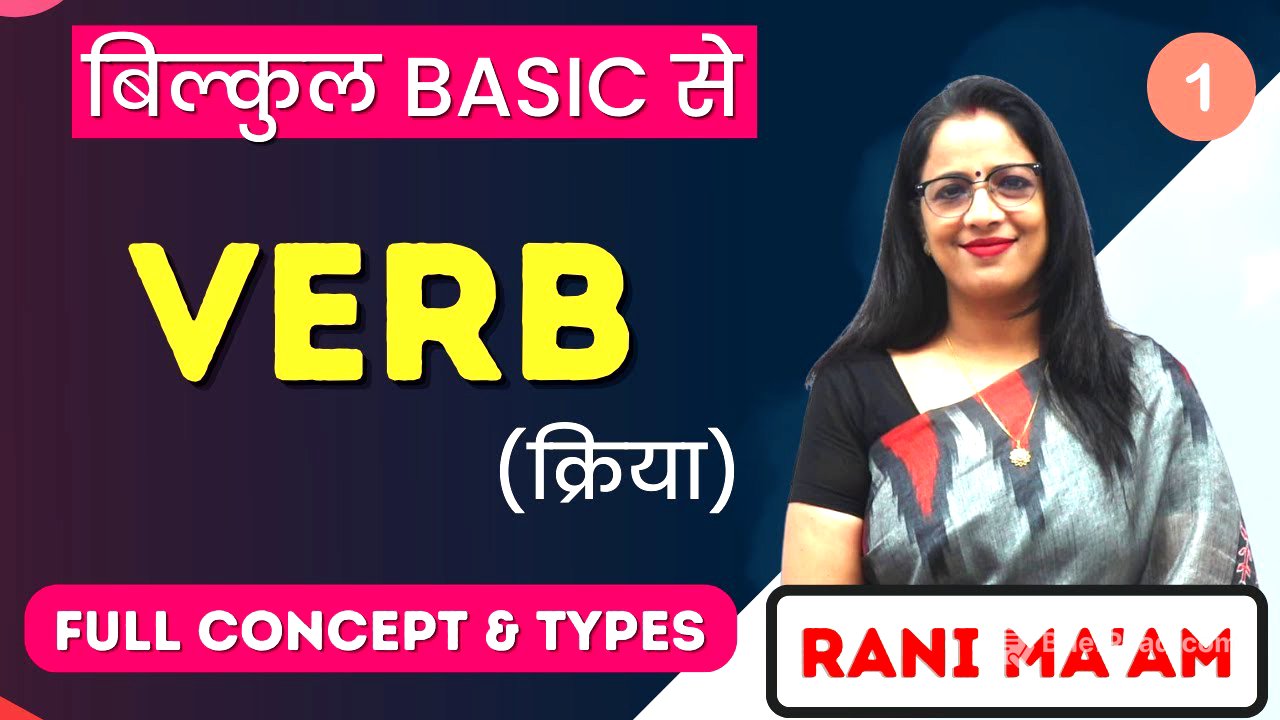
This video by Rani Mam focuses on the concept of verbs in English, aiming to clarify common misconceptions around their definitions and functions. Key points discussed include the multifaceted roles of verbs beyond just indicating action, the difference between action and stative verbs, the importance of subject-verb agreement, and distinguishing between objects in sentences.
- Verbs are not only action words but can also describe states and ownership.
- Stative verbs do not indicate action and do not take the -ing form.
- Understanding the difference between direct and indirect objects is essential for mastering sentence structure.
Understanding Verbs [0:00]
The video starts with a fundamental inquiry into the definition of a verb. Rani Mam explains that, traditionally, verbs have been understood as "doing words," or words indicating actions. However, she points out that this definition is incomplete, as verbs can also express states and possession. This section sets the foundations for a deeper exploration of verbs, challenging the audience to rethink their existing knowledge.
Types of Verbs [0:05]
Continuing from the introduction, Rani Mam identifies two primary categories of verbs: action verbs and stative verbs. Action verbs indicate activities performed by the subject, while stative verbs describe a condition or state without involving action. She emphasizes that understanding these types is crucial for effectively using verbs in sentences.
Subject-Verb Agreement [0:34]
The importance of subject-verb agreement is highlighted in this chapter. Mam explains how verbs relate to their subjects and must agree in number and tense. The relationship between actions and states regarding verbs is illustrated further, ensuring clarity on how verbs inform us about what the subject is doing or experiencing.
Active and Passive Voice [2:16]
Rani Mam distinguishes between active and passive voices. In active voice, the subject performs the action, while in passive voice, the subject receives the action. This part of the lesson emphasizes how verbs function differently depending on the voice of the sentence.
Exploring Stative Verbs [6:58]
In this chapter, the focus shifts to stative verbs, which describe states rather than actions. Rani Mam explains that these verbs do not take the -ing form and discusses their use in sentences, emphasizing how they convey information about possession or conditions without depicting dynamic activity.
Error Correction and Practice [14:08]
Rani Mam provides practical exercises aimed at identifying and correcting verb usage errors. She encourages students to apply their knowledge by engaging with sample sentences, reinforcing the distinctions between action and stative verbs while also addressing common mistakes in verb forms.
Understanding Objects [15:39]
The discussion continues with a breakdown of direct and indirect objects in sentences. Rani Mam explains that an object is affected by the subject’s action and is crucial for understanding sentence structure. She guides viewers in distinguishing between the two types of objects, stressing the importance of correctly identifying them in both simple and complex sentences.
Application of Knowledge [24:55]
This chapter concludes the verb discussion by encouraging viewers to apply their understanding of verbs in practical scenarios and sentence constructions. Rani Mam stresses the importance of practice in refining their grammatical mastery, ultimately emphasizing the necessity of clarity and confidence in using verbs.
Final Thoughts [29:20]
The video ends with Rani Mam summing up the critical points discussed throughout the lesson, reinforcing that a clear understanding of verbs is fundamental to mastering the English language. She encourages students to continue practicing and engaging with their learning materials, inviting them to participate in future sessions for further exploration of the English language.