TLDR;
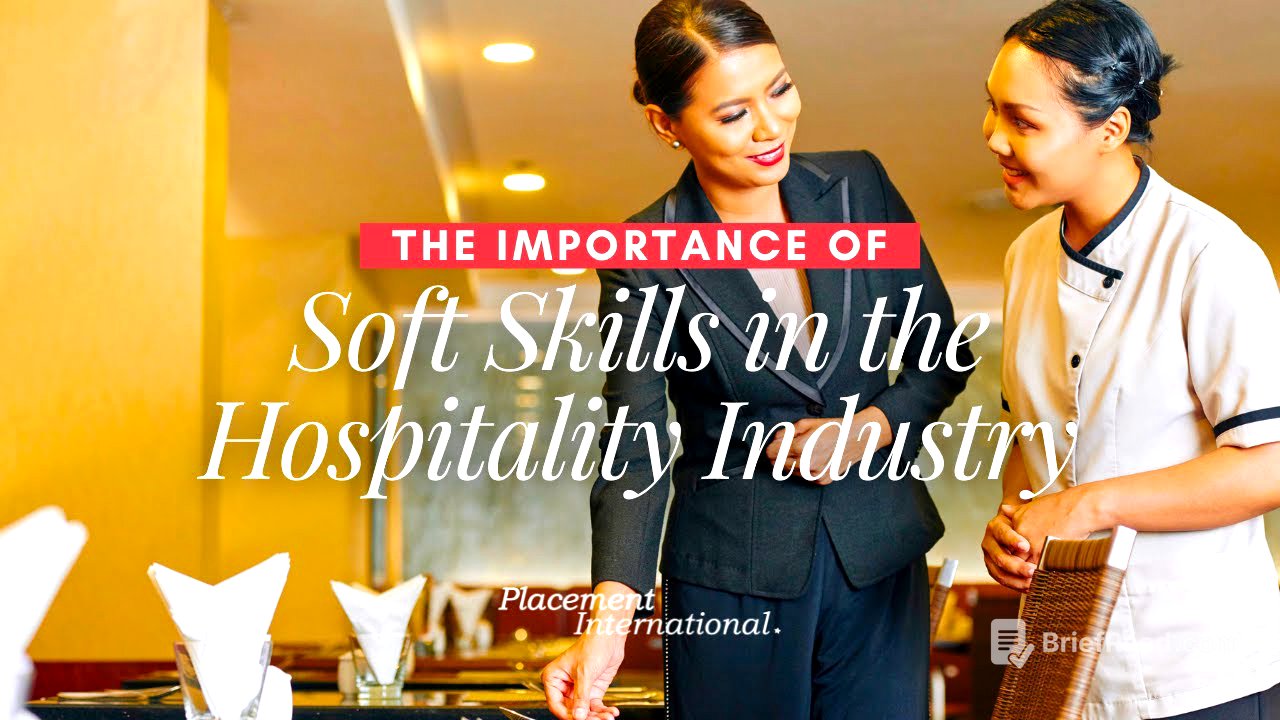
This video highlights the importance of soft skills in the hospitality industry. It emphasizes how these skills enhance customer experiences, build stronger teams, foster adaptability, increase brand loyalty, and promote professional growth. Investing in soft skills development is crucial for maintaining high service standards, creating a positive workplace culture, and driving business success.
- Soft skills enhance customer experience through empathy, emotional intelligence, and clear communication.
- Strong teams are built through collaboration, teamwork, and conflict resolution skills.
- Adaptability and flexibility are essential for navigating the fast-paced and unpredictable nature of the hospitality industry.
- Personalized service and cultural awareness contribute to brand loyalty and positive guest experiences.
- Soft skills are key to professional growth and career advancement in the hospitality sector.
Introduction [0:06]
The hospitality industry emphasizes excellent customer service and memorable guest experiences. While technical skills are important, soft skills are increasingly vital. Soft skills encompass interpersonal attributes and personality traits that enable effective communication, collaboration, and relationship building.
Enhancing Customer Experience [0:36]
Empathy and emotional intelligence are critical in understanding guest needs and emotions. Employees with high emotional intelligence can anticipate needs and respond appropriately, fostering a welcoming environment where guests feel valued. Clear and effective communication is essential for conveying information, addressing concerns, and providing instructions, enhancing guest satisfaction and improving team collaboration.
Building Stronger Teams [1:11]
The hospitality industry relies heavily on teamwork, requiring employees to work together seamlessly. Strong interpersonal skills help build trust and cooperation among team members, from front desk staff coordinating with housekeeping to chefs collaborating with servers. Conflict resolution skills are essential for managing difficult situations effectively, ensuring guest complaints are addressed promptly, and team dynamics remain intact.
Adaptability and Flexibility [1:48]
The hospitality industry is fast-paced and often unpredictable, requiring employees to be adaptable to changing situations. Whether it's a sudden influx of guests or unexpected issues arising during service, soft skills like flexibility and a positive attitude enable staff to navigate challenges while maintaining high service standards.
Building Brand Loyalty [2:11]
Guests increasingly seek personalized experiences, and employees with strong soft skills can tailor their service to individual preferences, enhancing guest satisfaction and loyalty. This improves repeat business and generates positive word-of-mouth referrals. Cultural awareness and sensitivity are paramount in serving a diverse, global clientele, contributing to a more inclusive and positive environment.
Professional Growth and Career Advancement [2:48]
Soft skills are often the differentiating factor in promotions and career advancement within the hospitality sector. Employees who demonstrate strong leadership, communication, and interpersonal skills are more likely to be considered for managerial roles, as they can effectively lead and motivate teams.
Conclusion [3:06]
Soft skills play a crucial role in the success of the hospitality industry by enhancing customer experiences, facilitating effective teamwork, and contributing to personal and professional growth. Investing in the development of soft skills among employees is essential for maintaining high service standards and fostering a positive workplace culture. Organizations that prioritize soft skills training will improve employee performance, enhance overall guest satisfaction and loyalty, and ultimately drive business success.