TLDR;
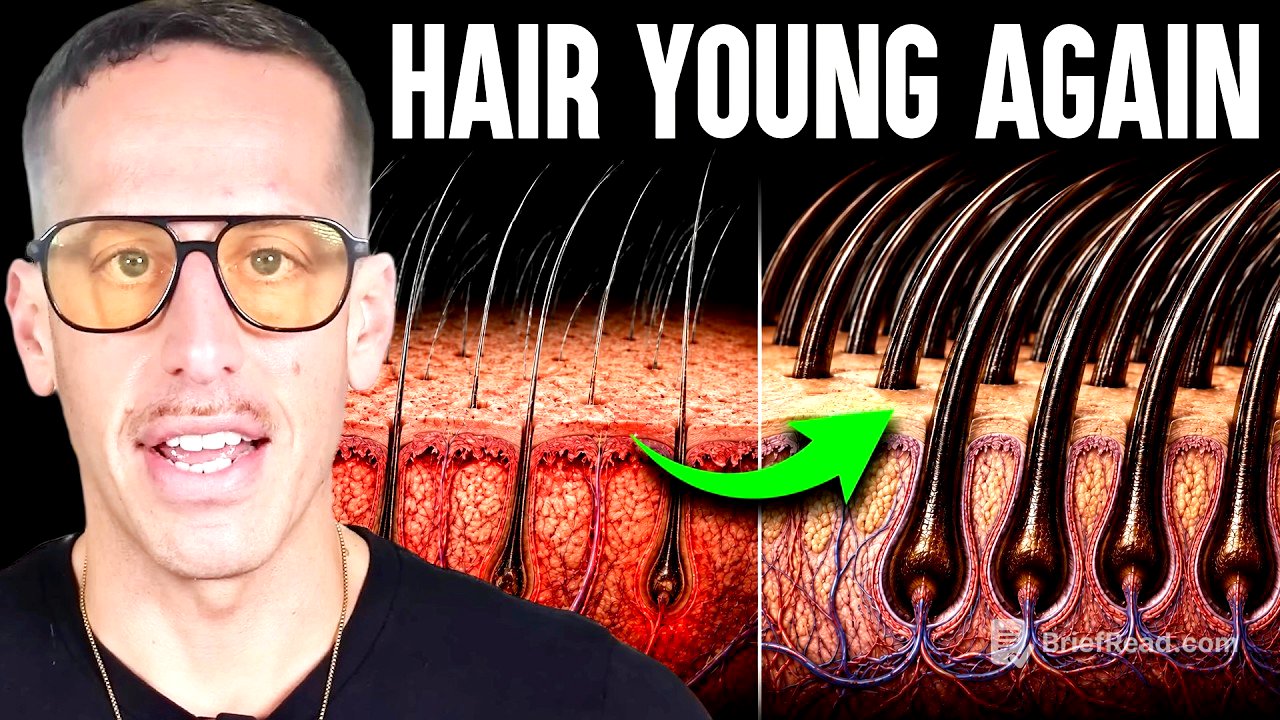
In this video, Ben Azadi discusses the surprising discovery that gray hair can turn dark again, challenging the notion that gray hair and thinning hair are simply signs of aging. He outlines a 14-day protocol focusing on seven key factors that influence hair health: inflammation, oxidative stress, nutrient deficiencies, poor circulation, hormonal imbalances, vitamin D deficiency, and mitochondrial dysfunction. By addressing these areas systematically, the plan aims to support healthier hair growth and combat hair loss.
- Gray hair can revert to dark due to changes in the body's internal environment.
- A 14-day protocol targets inflammation, nutrient supply, and hormonal balance to enhance hair health.
Understanding the Heroes and Villains of Hair Health [0:00]
The video opens with the claim that researchers have discovered gray hair can revert to its natural color due to changes within the body rather than external treatments. It introduces the idea that hair follicles are not merely aging but are reacting to various internal factors including inflammation, nutrient deficiencies, poor circulation, hormonal imbalances, stress, vitamin D deficiency, and mitochondrial dysfunction, which can all be influenced through lifestyle changes.
Identifying the Key Inhibitors of Hair Growth [1:00]
Azadi identifies seven "invisible villains" that negatively impact hair health. The first is chronic low-grade inflammation, which disrupts follicular function. Second, oxidative stress caused by free radicals damages hair-producing cells. Third, nutrient deficiencies hinder hair growth, as the follicles require specific raw materials to function effectively. Poor circulation, the fourth villain, limits the delivery of oxygen and nutrients to the scalp. Hormonal imbalances, specifically insulin and cortisol levels, shape the hair growth cycle, constituting the fifth villain. Vitamin D deficiency is noted as a critical factor, especially in women, as it relates to hair health. Lastly, insulin resistance alters the hormonal environment, adversely affecting hair follicles.
Two-Day Damage Control: Removing Harmful Influences [2:30]
In the first two days of the protocol, the focus is on eliminating factors that are damaging to hair follicles. This includes cutting out rancid fats (like seed and vegetable oils) that contribute to inflammation, reducing processed foods and sugar intake, and limiting alcohol and smoking. Azadi emphasizes that these changes are crucial as they help decrease oxidative stress and elevate hair health.
Days 3 and 4: Nourishing Hair with Protein and Nutrients [4:26]
On days three and four, the protocol shifts to feeding the hair follicles nutritious foods rich in protein. Quality protein sources, including collagen, whole eggs, fatty fish, grass-fed beef, and poultry are encouraged to meet at least 30 grams of protein per meal. Azadi highlights the importance of minerals such as zinc, copper, iron, and B vitamins, as well as understanding the role of ferritin levels in hair health, particularly for women.
Days 5 and 6: Enhancing Circulation for Optimal Health [6:20]
Days five and six focus on restoring circulation to the scalp, essential for delivering nutrients effectively to hair follicles. Activities such as walking, resistance training, and scalp massages are recommended, along with consuming foods known to aid nitric oxide production. These practices are beneficial for improving blood flow, thereby supplying follicles with the necessary nutrients and oxygen for growth.
Days 7 and 8: Hormonal Reset for Hair Growth [7:40]
The next phase, days seven and eight, revolves around resetting hormones that play a critical role in hair health. Strategies include getting morning sunlight to regulate hormonal rhythms, practicing time-restricted eating to reduce insulin spikes, and managing stress levels, which can shift hair into the shedding phase during periods of high tension. Vitamin D is highlighted as a crucial nutrient with receptors in hair follicles, and low levels can hinder hair growth and health.
Days 9 and 10: Prioritizing Quality Sleep [9:30]
On days nine and ten, the emphasis is on optimizing sleep quality. Azadi explains that quality sleep allows the body to enter repair mode, enhancing cellular recovery through autophagy and improving antioxidant levels in hair follicles. He provides practical tips to improve sleep hygiene, such as maintaining a cool room temperature, avoiding food before bed, and considering mouth taping to promote nasal breathing.
Days 11 and 12: Protecting Pigment Production [11:24]
Days eleven and twelve focus on preserving the pigment-producing cells (melanocytes) that affect hair color. Azadi discusses incorporating copper-rich foods, such as beef liver and dark chocolate, and suggests consuming a diet high in antioxidants and polyphenols to counter oxidative stress. This phase aims to protect the health of pigment cells, which can be compromised over time.
Days 13 and 14: Establishing a Maintenance Routine [14:18]
The final days of the protocol transition into establishing a sustainable maintenance routine to support hair health long-term. Azadi recommends daily consumption of high-quality protein, vitamin D, regular movement, healthy fats, and adherence to an anti-inflammatory diet. He underscores the importance of consistency over perfection, as patience and ongoing practice can lead to results in hair health over time.
Avoiding Common Hair Health Mistakes [17:32]
Azadi concludes with warnings against common mistakes that can sabotage hair health, including relying on supplements without dietary changes, insufficient protein intake, crash dieting, smoking, poor sleep, excessive use of harsh hair products, and expecting quick results. He stresses that hair health is a gradual process requiring sustained effort.
Introducing My Podcast for Deeper Transformation [19:04]
Finally, Azadi invites viewers to join his podcast, The Ben Azadi Show, where he discusses actionable steps towards health transformation beyond the content provided in the video. He covers various topics related to metabolic health, mindset, habits, and achieving overall wellness, emphasizing the importance of applying knowledge to effect change.