TLDR;
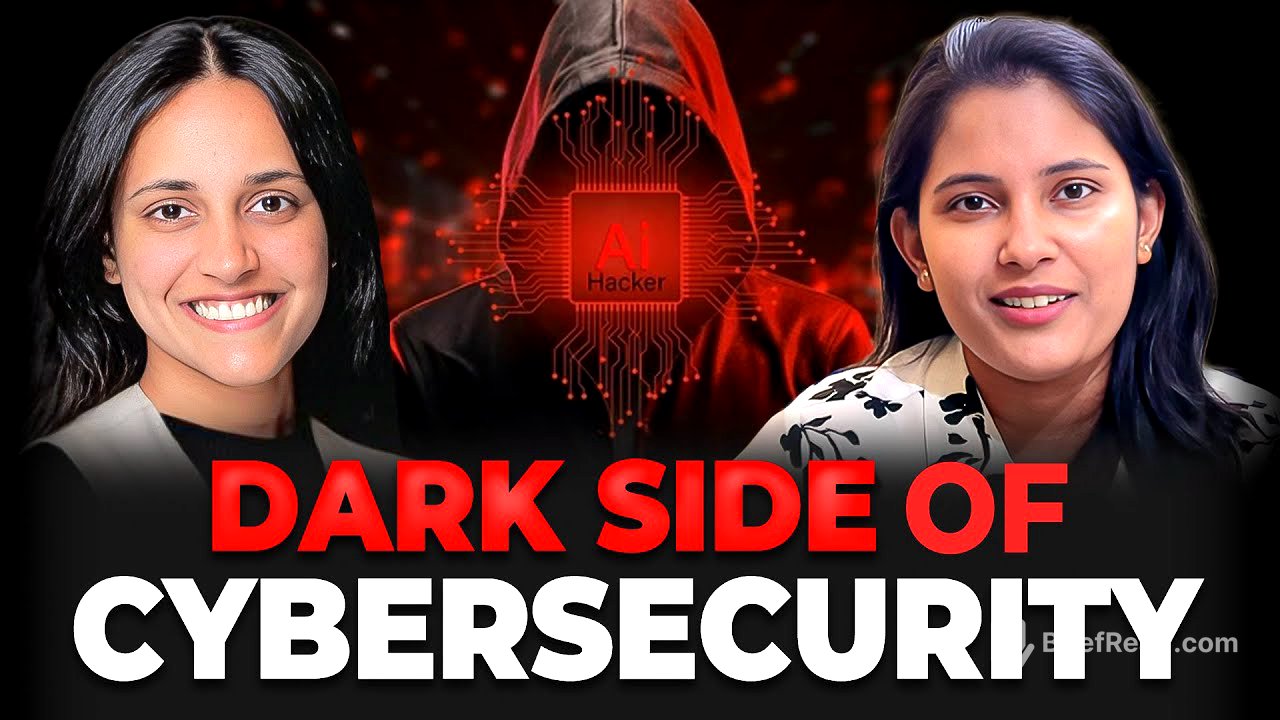
This podcast episode with cybersecurity expert Mira explores the realities of a cybersecurity career, addressing common misconceptions and challenges. It covers the difficulties freshers face, the importance of continuous learning, the impact of AI, and the demanding nature of the work, including potential for overtime and shift work. It also discusses whether pursuing a master's degree is the right path for those struggling to find entry-level positions and highlights the need for non-technical individuals to build a strong foundation.
- Freshers are often avoided by cybersecurity companies due to the high stakes involved.
- Continuous learning and adaptability are crucial in the ever-evolving cybersecurity landscape.
- Non-technical individuals can enter the field but need to put in extra effort to learn the basics.
- Overtime and shift work are common, especially in junior roles like SOC analysts.
- AI presents both threats and opportunities, requiring professionals to stay updated with automation and new technologies.
Intro: The Allure and Reality of Cybersecurity [0:00]
The podcast starts by discussing the appealing image of cybersecurity experts as cool hackers, fueled by media portrayals. However, it emphasizes the importance of understanding the ground realities before pursuing this career path. The discussion aims to uncover the challenges and lesser-known aspects of the cybersecurity field, providing a realistic perspective for aspiring professionals.
Why Freshers Are Avoided in Cybersecurity [1:51]
Many people are attracted to cybersecurity because it seems cool and pays well, but companies often avoid hiring freshers due to the high stakes involved. Mistakes can have significant consequences, and fresh graduates typically lack corporate experience. While learning the ropes, they might make errors that companies cannot afford. This makes it difficult for freshers to enter the field, requiring them to understand the challenges and prepare accordingly.
Essential Mindset and Initial Steps for Aspiring Professionals [3:18]
To succeed in cybersecurity, especially as a fresher, it's crucial to have a learning mindset and be open to technical concepts. Unlike software development, where basic coding skills can lead to high-paying jobs, cybersecurity requires continuous effort and patience. Starting salaries may be modest, but skills and compensation improve over time. Showing genuine interest and willingness to take on responsibilities is essential to impress recruiters.
Responsibilities and Work-Life Balance in Cybersecurity [5:32]
Cybersecurity demands a high level of responsibility, as even small mistakes can have significant impacts. Unlike software developers who may have flexible schedules, cybersecurity professionals must be vigilant and responsive at all times. Neglecting work can lead to severe consequences, including job loss for high-ranking executives. The field requires constant updates and learning due to the ever-evolving nature of cyber threats.
The Constant Learning Curve in Cybersecurity [7:32]
The cybersecurity field requires a constant learning curve, unlike some careers where mastering a few languages suffices. New languages and methods for preventing attacks emerge regularly, and advancements like AI are transforming the field. Adaptability and continuous education are essential to stay relevant and effective in this dynamic environment.
Challenges for Non-Technical Backgrounds [8:02]
Cybersecurity is open to individuals from various backgrounds, not just those with engineering degrees. However, those from non-technical backgrounds may find it more challenging due to the analytical and logical thinking emphasized in computer science education. Extra effort and a focus on building foundational knowledge are necessary for success. Many non-technical individuals are drawn to cybersecurity for its high pay, but they must recognize the need to develop essential skills and understanding.
Coding Preferences and Career Choices [9:33]
Some individuals enter cybersecurity to avoid coding, but this can be problematic if they are simply trying to escape responsibilities. While there are roles in IT that don't require coding, such as networking and cloud computing, cybersecurity demands a different kind of commitment. It's important to explore various fields and choose cybersecurity based on genuine interest rather than a desire to avoid coding.
The Pitfalls of Pursuing a Master's Degree as an Escape [11:04]
Pursuing a master's degree, especially abroad, is not a recommended solution for those struggling to find entry-level cybersecurity jobs. It's better to gain some experience and skills in your home country first. Going abroad without a clear understanding of your interests and the corporate world can lead to confusion and difficulty in finding employment. Building skills, networking, and understanding the job market in your home country are crucial before considering international opportunities.
Overtime and Shift Work [14:05]
In cybersecurity, especially in junior roles like SOC analyst, work-life balance can be challenging. These positions often involve shift work, including mornings, evenings, and nights, to monitor and respond to attacks around the clock. Fixed weekends are not guaranteed, as security operations centers require continuous coverage. This demands flexibility and a willingness to make sacrifices, particularly in the early stages of one's career.
The Impact of AI on Cybersecurity Jobs [16:24]
AI presents both threats and opportunities in cybersecurity. It increases the sophistication of attacks, such as AI-driven phishing and chatbot exploitation, but also automates certain tasks like initial incident investigation. While AI may reduce the need for some entry-level analysts, it also creates new roles in areas like automation and cyber intelligence. Staying updated with AI technologies and developing relevant skills is crucial for career advancement.
Cyber Intelligence as a Growing Field [17:55]
Cyber intelligence is an emerging field focused on understanding the geopolitical landscape and how nations use cyber warfare. It involves strategic thinking, awareness of global events, and developing strategies to protect organizations, especially government entities. Professionals in this field need to stay informed about international relations and cyber activities. Threat intelligence is a related area that serves as a good starting point for those interested in cyber intelligence.
Final Thoughts and Resources [19:06]
The podcast concludes by reiterating the importance of understanding the realities of the cybersecurity field before pursuing it. For those still passionate about a cybersecurity career, resources like mentorship and consultation are available to help navigate the path. The guest, Mira, offers consultations on Topmate to provide guidance on career roadmaps, interview preparation, and resume presentation.