TLDR;
This video presents 11 perennials to plant in April for a vibrant, low-maintenance garden that thrives throughout the year. It emphasizes the importance of planting in April to allow root systems to establish before summer heat, and provides practical tips for ensuring success, including proper drainage, dividing plants, and leaving seed heads for wildlife.
- Creeping Phlox: Ideal for slopes, eliminates mowing, and provides evergreen foliage.
- Daylily: Extremely hardy, offers a wide color range, and suppresses weeds.
- Bee Balm: Attracts hummingbirds and other pollinators, with edible leaves for tea.
- Black-Eyed Susan: Blooms from July through October, feeding wildlife in winter.
- Yarrow: Thrives in poor soil, suppresses weeds, and attracts beneficial insects.
- Catmint: Deer-resistant, attracts pollinators, and offers two bloom seasons.
- Hardy Geranium: Excellent ground cover, handles dry shade, and provides fall color.
- Garden Phlox: Fragrant blooms in mid-to-late summer, ideal for cut flower arrangements.
- Goldenrod: Supports numerous native insects, blooms late summer through fall, and is wrongly blamed for allergies.
- Lamb's Ear: Soft, silvery foliage provides visual contrast and drought tolerance.
- New England Aster: Blooms in October, providing late-season nectar for monarch butterflies.
Introduction: The Smart April Decision [0:00]
The video introduces the idea that making a smart decision by planting specific perennials in April can lead to a yard that is full of color and life, attracting attention and admiration from neighbors throughout the summer. These plants are self-spreading, return annually, and multiply without much intervention. Missing the April planting window means missing out on the entire season's benefits.
Creeping Phlox: The Slope Solution [0:35]
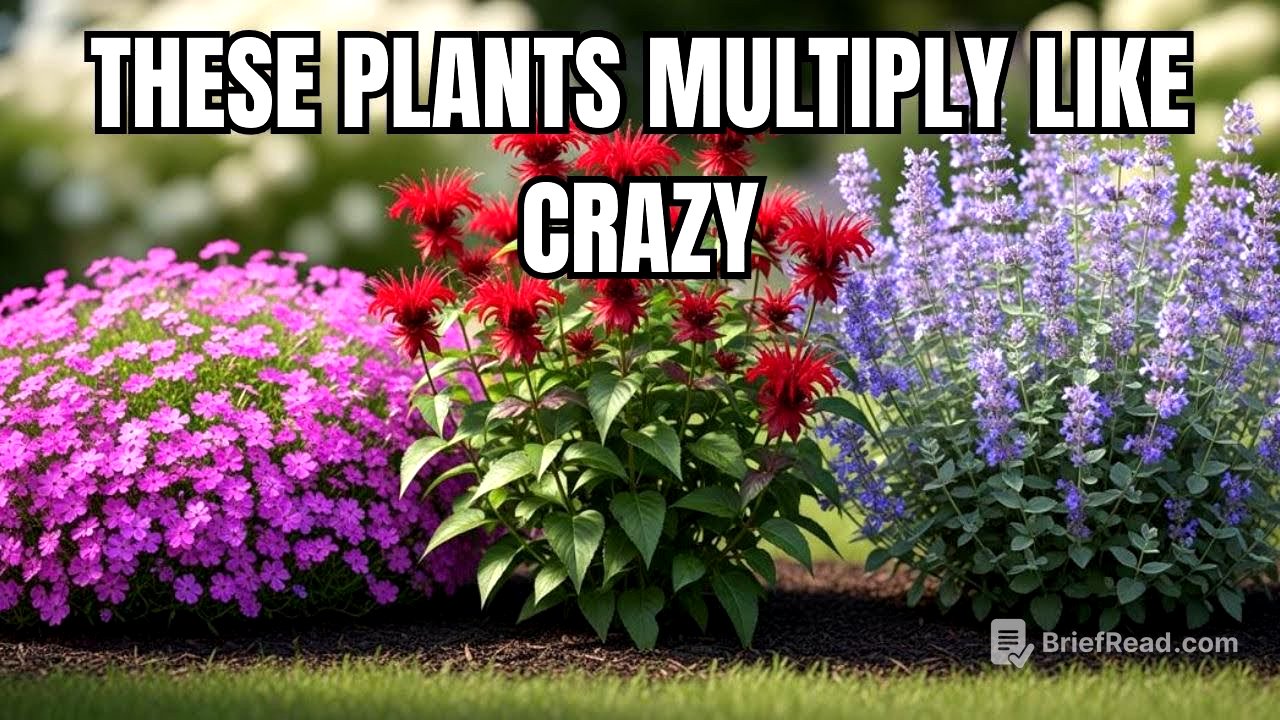
Creeping phlox is highlighted as a ground cover that creates a waterfall of color in early spring with electric pink, bright white, deep magenta, and soft lavender hues. Unlike other spring bloomers, its foliage remains evergreen throughout the year. Hardy in USDA zones three through nine, it spreads up to 2 ft or more each season via trailing stems that root themselves. It's also noted that slopes covered in creeping phlox never need mowing and are used by municipalities to prevent erosion and reduce maintenance. Plant in full sun to light shade in well-draining soil and shear it back lightly after blooming to keep it dense and encourage stronger spread.
Daylily: The Unstoppable Perennial [2:29]
Daylilies are presented as an incredibly hardy plant, thriving in USDA zones one through 11, covering nearly every region in America. With over 80,000 registered cultivars, they offer a staggering range of colors. Planting a mix of early, midseason, and late varieties ensures continuous blooms from early summer through mid-fall. Dividing the clumps every four to five years yields 10 to 15 divisions, creating a significant return on investment. Mass-planted daylilies effectively suppress weed growth, making them ideal for solving bare, weedy borders. However, it's crucial to note that daylilies are toxic to cats.
Bee Balm: The Hummingbird Magnet [4:47]
Bee balm is featured for its ability to attract hummingbirds, with its spiky, tubular flowers in vivid colors like blazing red, deep pink, rich purple, and bright white. Hardy in USDA zones three through nine, its flowers are biologically engineered for hummingbird feeding. Bee balm also supports various wildlife species, including monarchs, tiger swallowtails, and bumblebees. As a member of the mint family, its leaves are edible and can be brewed into a tea similar to Earl Grey. It spreads through underground rhizomes, filling a large space within a few seasons. Mildew-resistant cultivars like Jacob Kline and Raspberry Wine are recommended for best results.
Black-Eyed Susan: The Late-Season Bloomer [6:43]
Black-eyed Susans, particularly the Rudbeckia fulgida Goldsturm cultivar, are highlighted for their golden yellow petals and dark chocolate centers. Hardy in USDA zones three through nine, they bloom from July through October, providing color when most summer gardens are fading. University studies confirm that Goldsturm blooms longer and more prolifically than other varieties. It spreads through underground rhizomes and self-seeds, creating a sweeping colony over time. Leaving the seed heads standing through winter provides food for goldfinches, sparrows, and chickadees. As a North American native, Goldsturm requires less water, fertilizer, and attention than non-native plants.
Yarrow: The Tough Soil Survivor [9:31]
Yarrow (Achillea millefolium) is presented as a plant that thrives in gravel, hardpan, and poor soil conditions, blooming for six months without needing much care. Hardy in USDA zones 3 through 9, it features flat-topped flower clusters in various colors, with Paprika and Strawberry Seduction being standout varieties. Its feathery, silvery-green foliage is aromatic, deterring deer and rabbits. Yarrow releases allelopathic compounds that suppress weed seed germination and attracts beneficial insects like parasitic wasps, lacewings, and hoverflies, which control common garden pests. It spreads aggressively through rhizomes and self-seeds, making it a cost-effective way to cover large areas.
Catmint: The Deer-Resistant Pollinator Attractor [12:46]
Catmint, specifically Nepeta x faassenii Walker's Low, is recommended for gardens plagued by deer. Hardy in USDA zones 4 through 8, it features lavender-blue flowers and silvery-gray aromatic foliage. Its strong aromatic oils repel deer before they even taste the plant. Cutting it back by half after the first bloom encourages a second wave of flowers. Catmint softens hard lines in the landscape and pairs well with various plants. It attracts numerous bee species, enhancing pollination in vegetable gardens and fruit trees.
Hardy Geranium: The Underused Groundcover [16:12]
Hardy geranium, particularly Geranium x cantabrigiense, is highlighted as an underused spreading perennial. Hardy in USDA zones 4 through 8, varieties like Biokovo and Carmina offer soft white or rose-pink flowers. It provides low-mounding foliage that turns bronze-red in the fall and remains semi-evergreen in warmer zones. Hardy geranium thrives in dry shade under established trees. Shearing it back after the first bloom results in fresh foliage and a second round of flowers.
Garden Phlox: The Fragrant Showstopper [18:53]
Garden phlox (Phlox paniculata) is celebrated for its intense fragrance and visual impact. Hardy in USDA zones 4 through 8, it features large, dome-shaped flower clusters in various colors. Blooming in mid-to-late summer, it fills the gap after spring blooms have faded. To avoid powdery mildew, choose mildew-resistant cultivars like David, Robert Poore, and Gina, ensure adequate air circulation, and water at the base of the plant. Cut stems can be brought indoors to fill a room with fragrance.
Goldenrod: The Misunderstood Native [21:18]
Goldenrod (Solidago rugosa 'Fireworks') is defended against the common misconception that it causes allergies. Hardy in USDA zones 4 through 9, its flower stems arch outward with tiny golden-yellow flowers. It blooms late summer through fall, providing color when other plants are fading. Goldenrod supports over 100 species of native bees, butterflies, and beneficial insects. It spreads through underground rhizomes and should be divided every three years in formal borders.
Lamb's Ear: The Sensory Delight [24:22]
Lamb's ear (Stachys byzantina) is valued for its soft, silvery-white woolly leaves that create a unique sensory experience. Hardy in USDA zones 4 through 8, its foliage provides visual contrast in the garden, amplifying the colors of surrounding plants. The dense hair structure on the leaves reduces moisture evaporation, making it drought-tolerant. It spreads through stolons, suppressing weeds and remaining semi-evergreen in warmer zones.
New England Aster: The October Explosion [27:37]
New England aster (Symphyotrichum novae-angliae) is highlighted for its late-season blooms in October. Hardy in USDA zones 3 through 8, it features daisy-like flowers in deep violet-purple, rich lavender, bright pink, and pure white. Asters are a critical late-season nectar source for monarch butterflies. Pinching every stem back by half in late May and late June creates a denser, more compact plant with more blooms.
The Importance of April Planting [30:29]
Planting in April is emphasized due to optimal soil temperatures (50-65°F) for perennial root establishment. This allows roots 8-10 weeks to establish before summer heat, building resilience. Planting later results in stressed root establishment and reduced long-term performance.
Three Rules for Success [32:06]
Three key rules are presented for successful perennial gardening:
- Fix Drainage: Test drainage by digging a 1 ft deep hole and filling it with water; it should drain within 1 hour. Improve poor drainage with coarse sand and compost or raised beds.
- Division is Free Money: Divide plants every 3-4 years to maintain performance and create free plants.
- Leave the Seed Heads Standing: Provide food for birds and habitat for beneficial insects, and allow natural reseeding.