TLDR;
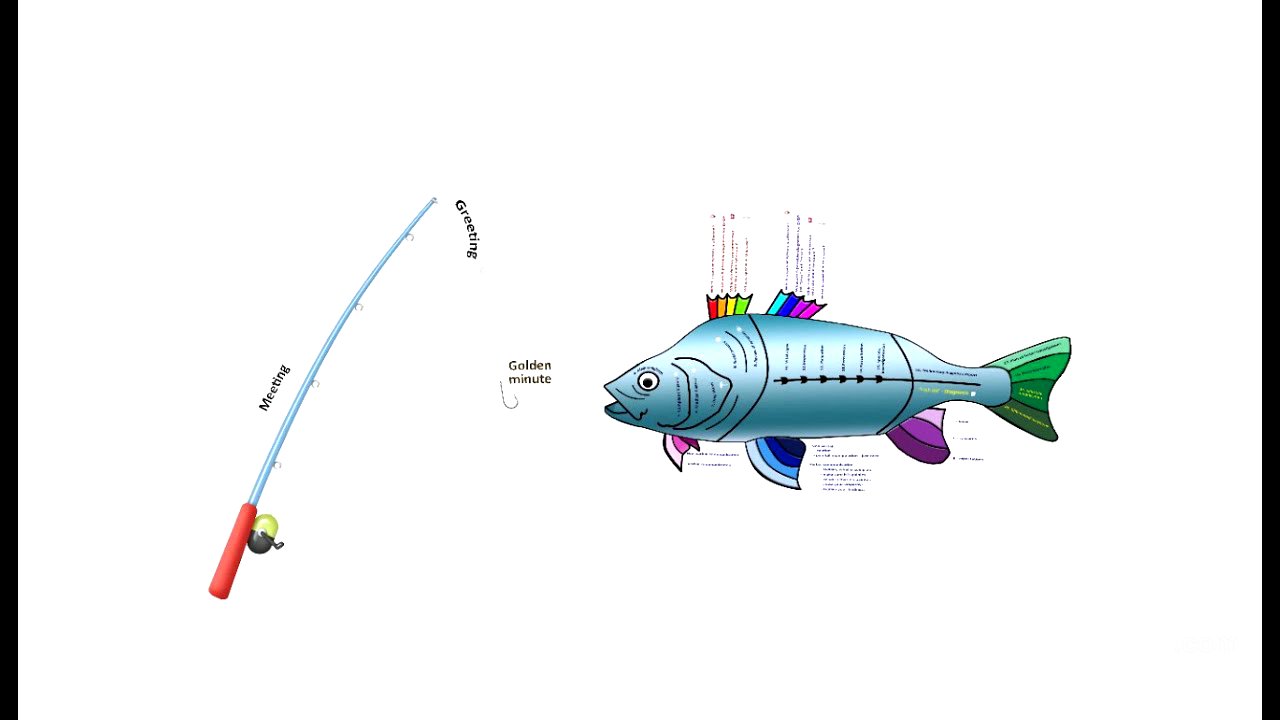
This video introduces the "OSKI Fish" project, a structured approach to clinical examinations designed to aid medical professionals in history taking, physical examinations, and diagnosis. It uses the analogy of fishing to simplify the process, with key components represented by a fishing rod (meeting the patient), fishing line (greeting the patient), and hook (the "golden minute"). The fish's anatomy symbolizes different aspects of patient interaction, including the head (history taking), body (physical examination), and tail (diagnosis), with fins representing important questions and communication skills.
- Introduction of OSKI Fish project as a tool for structured clinical examinations.
- Analogy of fishing to simplify patient interaction: fishing rod, line, and hook.
- Fish anatomy representing history taking, physical examination, and diagnosis.
Introduction to OSKI Fish [0:01]
The presenter introduces the OSKI Fish project, a system designed to aid doctors in conducting objective, structured clinical examinations. OSKI stands for Objective Structured Clinical Examination. The system uses the analogy of fishing to simplify the complex process of patient interaction, where a standardized patient presents with symptoms of a real disease. The doctor must then gather information, perform an examination, make a diagnosis, and propose a management plan.
Meeting and Greeting the Patient [2:11]
The initial steps in patient interaction are framed as elements of fishing. Meeting the patient involves standing up as a sign of respect and physical activity, shaking hands to build rapport (considering cultural contexts), and guiding the patient to a seat. Greeting the patient, symbolized by the "fishing rod," includes a warm hello, introducing oneself as the doctor, and using the patient's name multiple times to enhance compliance.
The Golden Minute [4:28]
The "golden minute" is portrayed as the "hook" in the fishing analogy, emphasizing its importance in gathering crucial information. During this minute, the doctor asks an open-ended question like "How can I help you today?" and listens attentively without interruption. Research suggests that in this time, patients reveal about 80% of the information relevant to their condition, including their main complaint, perceived reasons for the illness, and previous actions taken.
The Fish Anatomy: History Taking (Head) [6:34]
The fish's head represents history taking, with the eye symbolizing the main complaint identified during the "golden minute." Additional complaints are also noted, but the focus remains on the primary issue. The presenter introduces the mnemonic "SOCRATES" to guide pain assessment: Site, Onset, Character, Radiation, Associations, Timing, Exacerbating/relieving factors, and Severity, using a visual analog scale (1-10) to quantify pain levels. This framework can be adapted for other symptoms beyond pain.
Medical, Drug and Social History [14:02]
Following the main complaint, the next step involves gathering the patient's medical history, focusing on the context of the primary issue. This includes clarifying when the symptoms started, how they progressed, and any related past medical problems. Drug history is also essential, covering medications taken, dosages, treatment duration, and effectiveness, as well as any drug allergies. Social history is gathered using the "SODAF" mnemonic: Smoking, Occupation, Drugs, Alcohol, and Family history, all within the context of the patient's main complaint.
Review of Systems and Communication Skills [17:30]
The review of systems involves asking about various organ systems and symptoms, tailored to the patient's main complaint. Communication skills, symbolized by the lower fins of the fish, are crucial during history taking. These include non-verbal cues like eye contact and avoiding barriers, as well as verbal techniques such as open questions, reflection, and summarization.
Upper Fins: Key Questions After History Taking [20:40]
The upper fins on the fish's head represent four key questions to ask oneself after completing the history taking: Which organ system is affected? What are five possible diagnoses? Which risk factors are connected to the main syndrome? What is special or specific about this case? These questions guide the diagnostic process and ensure a comprehensive evaluation.
The Fish Anatomy: Physical Examination (Body) [24:08]
The fish's body symbolizes the physical examination. Before starting, it's important to inform the patient about the examination, prepare oneself (washing hands), and ensure the patient is properly prepared and comfortable. The examination typically begins with vital signs, followed by inspection, palpation, percussion (if necessary), and auscultation. Specific investigations, such as lab tests, may also be conducted.
Communication Skills During Physical Examination [30:26]
Communication skills are vital during the physical examination. Non-verbal communication involves respecting the patient's privacy and minimizing discomfort. Verbal communication includes explaining each procedure before it is performed, informing the patient of findings, and showing empathy.
Key Questions After Physical Examination and Differential Diagnosis [31:32]
After the physical examination, the same four key questions from the history-taking phase are revisited. The presenter introduces a "pros and cons" model for clinical decision-making to refine the differential diagnosis. Each potential diagnosis is evaluated based on supporting and opposing evidence from the patient's history and examination findings.
Applying Pros and Cons Model to Diagnosis [32:40]
The presenter demonstrates the "pros and cons" model by evaluating several potential diagnoses for the patient's sore throat, including foreign body, viral infection, cancer, peritonsillar abscess and bacterial tonsillitis. Diagnostic criteria, such as Centor criteria or McIsaac's criteria, are used to support the final diagnosis of acute bacterial tonsillitis.
The Fish Anatomy: Diagnosis (Tail) [37:26]
The fish's tail represents the diagnosis phase. The preliminary diagnosis should be presented to the patient clearly, along with the reasons for the diagnosis and the prognosis. The patient should be involved in discussions about further examinations, treatment plans, and lifestyle modifications. Unnecessary investigations should be avoided to prevent overdiagnosis and overtreatment, a strategy known as quaternary prevention.
Lifestyle Modification and Vitamin BCD [40:33]
Lifestyle modification is a crucial aspect of patient care. Doctors should address risk factors and promote positive changes in the patient's lifestyle. If the diagnosis is uncertain, the mnemonic "VITAMIN BCD" can help classify the potential disease group: Vascular, Infectious, Traumatic, Autoimmune, Metabolic, Idiopathic/Iatrogenic, Neoplastic, Congenital, Degenerative/Dystrophic, and Endocrine.
Communication Skills and Conclusion [43:29]
The final lower fins represent communication skills during the diagnosis phase. The "ICE" (Ideas, Concerns, and Expectations) framework is used to discuss the diagnosis, treatment plan, and other proposals with the patient. The doctor addresses the patient's concerns, provides reassurance, and ensures the patient understands the plan. The presenter concludes by encouraging viewers to use the OSKI Fish methodology in their practical work.