TLDR;
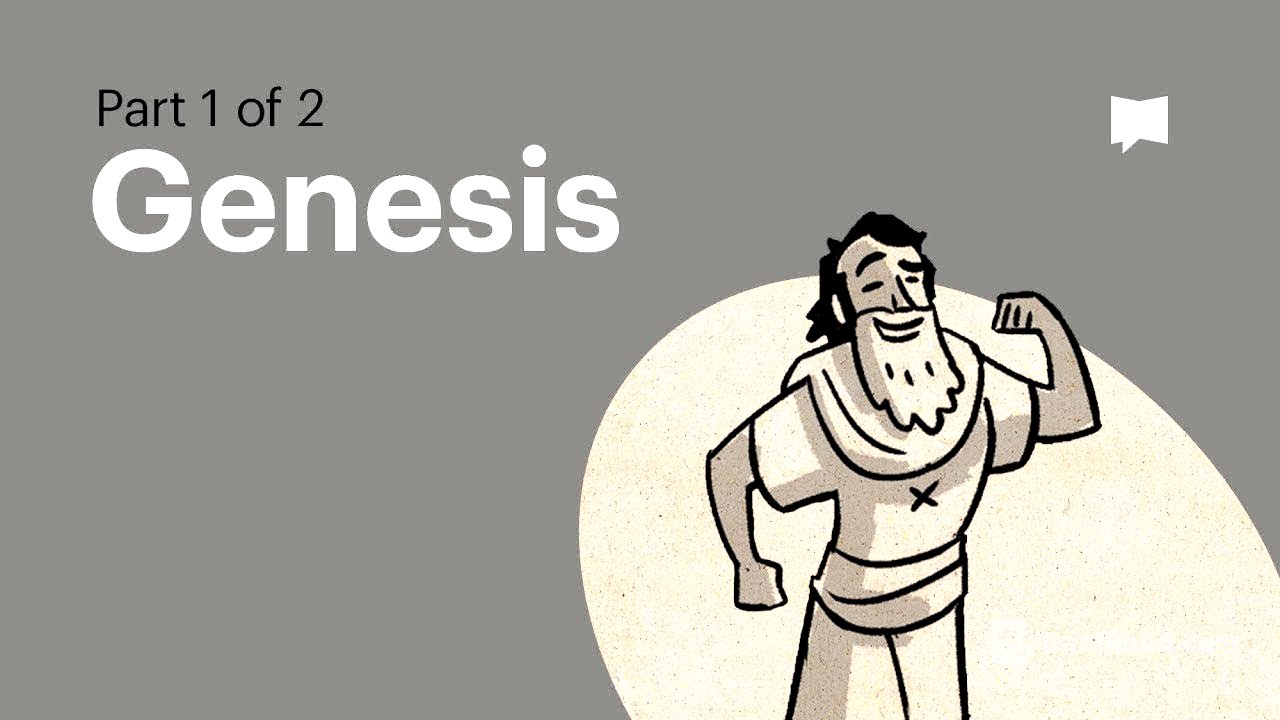
Genesis 1-11 introduces the Bible's grand narrative, highlighting God's creation of a good world and humanity's repeated failures to steward it responsibly. It covers the creation story, the fall of man, God's promise of redemption, the consequences of rebellion, Noah's flood, and the Tower of Babel. These stories illustrate humanity's continuous choice to define good and evil for themselves, leading to broken relationships, violence, and death, but also God's unwavering determination to bless and rescue His world through a promised descendant.
- God creates a good world but humans ruin it.
- Humans choose to define good and evil for themselves.
- God promises a descendant to defeat evil.
Overview of the book's design and structure [0:00]
The book of Genesis is divided into two main sections: chapters 1-11, which narrate the story of God and the world, and chapters 12-50, which focus on God's relationship with Abraham and his family. A pivotal story at the beginning of chapter 12 connects these two parts. This structure provides insight into the book's overall message and its role in introducing the broader biblical narrative.
The creation story, God's divine purpose and human choice [0:33]
Genesis begins with God transforming disorder and darkness into order, beauty, and goodness, creating a world where life can flourish. God creates humans, referred to as "adam" in Hebrew, in His image, giving them the role of reflecting His character and representing Him in the world. Humans are appointed to rule God's world, harness its potential, and care for it to promote further life. God blesses the humans and places them in a garden, tasking them with building a new world. The humans have a choice, symbolised by the tree of the knowledge of good and evil, to either trust God's definition of good and evil or to seize autonomy and define it for themselves. Rebelling against God means embracing death by turning away from the source of life, represented by the Tree of Life.
The snake and the fall of man [1:59]
A mysterious snake, a creature in rebellion against God, enters the story and attempts to lead the humans into rebellion and death. The snake presents an alternative narrative about the tree and the choice, claiming that seizing the knowledge of good and evil will lead to life and godliness. Ironically, humans were already created in God's image. The humans choose to seize autonomy and take the knowledge of good and evil, causing the story to spiral out of control. The first consequence is the breakdown of human relationships, as the man and woman become aware of their vulnerability and distrust each other, leading them to hide from one another.
God's promise to rescue humans [3:10]
Intimacy between God and humans is lost, causing them to hide from God and shift blame for their rebellion. God declares the tragic consequences of their actions in a series of short poems, first addressing the snake. God promises that despite the snake's apparent victory, it is destined for defeat. A descendant of the woman will deliver a lethal blow to the snake's head, but this victory will come at the cost of the snake striking the descendant's heel. This mysterious promise of a wounded victor is an act of God's grace, offering rescue to the rebellious humans.
The results of the human rebellion [4:14]
God informs the humans that their lives will be filled with grief and pain in every aspect, both at home and in the field, ultimately leading to death. The narrative then spirals downward, tracing the ripple effect of the rebellion and the fracturing of human relationships. The story of Cain and Abel illustrates this, where Cain's jealousy leads him to murder his brother, despite God's warning. Cain builds a city marked by violence and oppression, epitomised by Lamech, who accumulates wives and boasts of his greater violence and vengeance compared to Cain.
Noah's flood and the aftermath [5:25]
The narrative includes the "sons of God" who, like Lamech, acquire many wives and produce the Nephilim, warriors of old, further corrupting the world with violence. God, grieved by humanity's wickedness and the ruin of His creation, decides to cleanse the world with a great flood. However, God protects Noah, a blameless man, and his family, commissioning him as a new Adam. God repeats the divine blessing and tasks Noah to go out into the world, raising hopes for a fresh start. Noah, however, fails in a garden by planting a vineyard and getting drunk, leading to his son Ham's shameful act. This results in Noah, like the first Adam, being naked and ashamed, and the downward spiral begins anew.
The city of Babylon [6:13]
The narrative progresses to the foundation of Babylon, where people unite using new brick technology to build larger and faster cities and towers. They aim to construct a tower that reaches the gods, seeking to make a name for themselves. This act symbolises human rebellion and arrogance, mirroring the garden rebellion on a grand scale. God humbles their pride and scatters them, disrupting their plans.
Genesis 1-11 summary [6:44]
The stories in Genesis 1-11 explore a central theme: God repeatedly gives humans the opportunity to do right by His world, but they consistently fail. These narratives assert that we live in a good world that has been corrupted by our choices to define good and evil for ourselves, contributing to broken relationships, conflict, violence, and death. Despite this, there is hope in God's promise of a descendant, a wounded victor, who will defeat evil at its source. Despite humanity's evil, God remains determined to bless and rescue His world. The question of how God will achieve this rescue is addressed in the subsequent story.