TLDR;
This video discusses the recent market correction in the S&P and NASDAQ, analyzing which sectors are holding up and what factors might lead to a market turnaround. It examines institutional order flow, smart versus dumb money, and the energy sector's significant gains. The analysis includes historical data, technical indicators, and global market factors to provide a comprehensive outlook.
- Market correction and sector analysis
- Institutional vs. retail order flow
- Impact of crude oil and global events
- Key levels and potential bounce areas
S&P 500 and Market Correction [0:00]
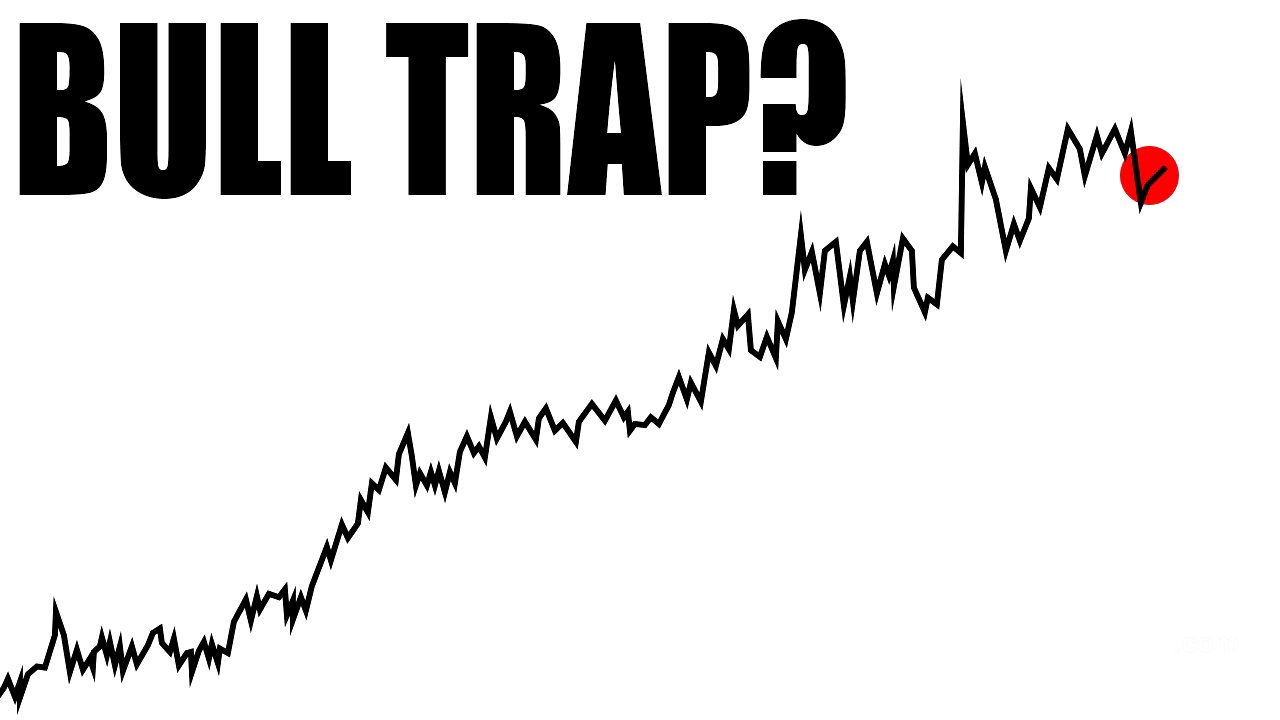
The S&P 500 is at a critical level around 6163, based on February 25 data, which is important to maintain. Rallies are being rejected, forming a potential "three black crows" pattern, indicating a cascade effect. Historically, markets rarely decline for more than four consecutive weeks without a reprieve, but the current de-risking across all asset classes is accelerating the downturn. The futures market (ES) breaking below its anchored VWAP level signals further weakness, with a potential support level around 5716, aligning with October 2022 levels.
Safe Havens and Market Indicators [5:24]
Traditional safe havens like gold and silver are not performing as expected, indicating a broad sell-off across all asset classes. Even the bond market is under pressure, with treasury yields rising significantly. Crude oil futures are experiencing substantial moves, driven by global events. The VIX volatility index is at 31, which is not high enough to signal a market bottom, as historical bottoms have often correlated with VIX levels in the 40s or higher.
Market Breadth and Potential Bounce [9:39]
The NDFI, which measures stocks above their 50-day moving average in the NASDAQ, is at a low of 14, suggesting that 86% of stocks are below this average. Historically, such low levels are followed by a bounce within days, not weeks. While the market breadth is poor, the S&P 500 has not made new lows, indicating a potential for a bounce. Historically, the market spends only a few days at these levels on the 50-day moving average before bouncing.
Smart Money vs. Dumb Money [16:23]
Smart money is defined as institutional order flow, which moves slowly, while dumb money is retail order flow, which is fast and reactive. Institutions tend to let retail investors "puke" or panic sell before picking up assets. Currently, institutions are starting to buy again while retail investors are panicking. Monitoring whether dumb money makes a lower low can provide insights ahead of the smart money/dumb money spread.
Last Hour Trading and Institutional Activity [26:44]
The last hour of trading indicator, which measures the AD line for the final hour of SPY ETF trading, shows continuous selling by institutions. Over the past 10 years, the market has spent the majority of its time above the current level of this indicator, suggesting a potential bottom is near. However, the indicator suggests that institutions are still getting out of the market.
Bond Market and Equity Risk Premium [32:50]
BlackRock has downgraded US equities due to Middle East tensions, dialing down risk across all asset classes. High yield, corporate bonds (LQD), and treasury bonds (IEF) are all selling down, with the same start date as the last hour selling. The equity risk premium, which compares the earnings yield on the S&P 500 to the 10-year Treasury yield, is worsening, making bonds more attractive than equities to pension funds.
Global Markets and Emerging Markets [37:36]
Germany, Italy, and Poland are experiencing complete capitulation, while Norway is holding up due to its energy sector. Emerging markets (EM) have broken support lines, and their stability is tied to energy prices. India's outreach to Iran for humanitarian aid indicates efforts to stabilize the region. The emerging markets VIX (VXEM) is high, but if energy issues alleviate, it could drop quickly.
Semiconductor Sector Analysis [49:28]
Semiconductors are showing relative strength compared to other sectors. While Nvidia and ARM have broken down, companies like KLA, Lam Research, and Applied Materials are holding up well. Taiwan Semiconductor is below its 200-day moving average, but capacity utilization remains strong. AMD finished flat with a doji pattern, indicating potential support. VLCC (very large crude container) companies are starting to hold, suggesting potential shifts in global oil transport.