TLDR;
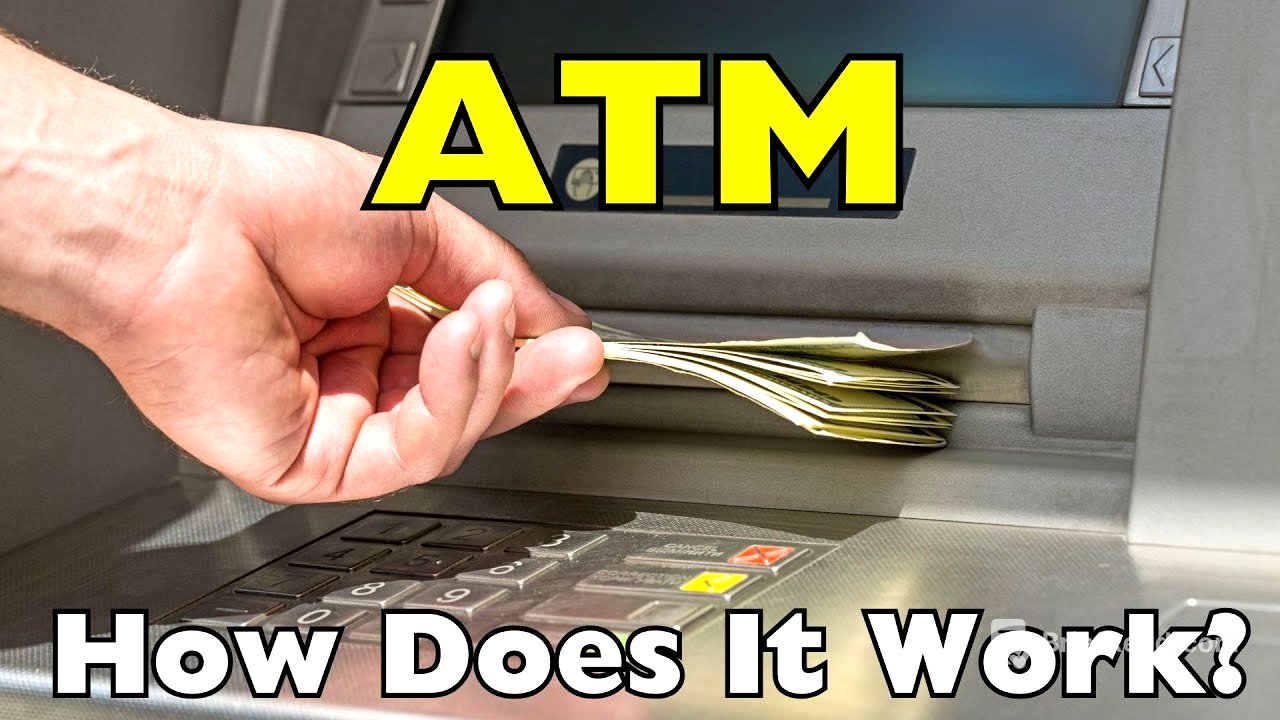
This video explains the inner workings of ATMs, detailing how they accurately dispense cash. It covers the process from card insertion and bank verification to the mechanical counting and dispensing of bills, highlighting security measures and error handling.
- ATMs are more than just cash boxes; they are sophisticated machines connected to banking networks.
- ATMs use secure software and precise mechanical systems to count and deliver cash.
- Security measures, including encryption, transaction records, and surveillance, are integral to ATM operations.
Intro: The ATM Mystery [0:00]
The video introduces the fascinating technology behind ATMs, which accurately dispense the requested amount of cash. It promises to explain how ATMs know the exact amount to dispense, how they physically count and dispense money, and what happens when errors occur.
More Than a Cash Box [0:46]
ATMs are more advanced than simple vending machines. They connect to banking networks, operate on secure software, and use mechanical systems for accurate cash delivery. The explanation begins with the digital aspects of ATM operation.
What Happens When You Insert Your Card [1:13]
When a card is inserted, the ATM reads the magnetic strip or EMV chip to gather data like the card number and issuing bank. It then communicates with the bank over a secure network to verify identity and request account access permission. The bank confirms the information, allowing the transaction to proceed after a rapid exchange of encrypted data.
Entering the Amount You Want [2:34]
After the card is verified, the user enters the withdrawal amount. The ATM sends a request to the bank, querying if the account has sufficient funds and if the withdrawal is within the daily limit. If both conditions are met, the bank authorizes the ATM to dispense the money; otherwise, an insufficient funds message is displayed.
Now the Machine Knows—What Happens Next? [3:04]
Inside the ATM, cash is stored in cassettes, each holding a specific denomination of bills. For example, to dispense $80, the ATM determines the combination of bills to use based on available denominations. It might dispense four $20 bills or a mix of $20s and $10s, depending on the software's algorithm. Some ATMs rotate cassette usage to balance wear and tear.
How ATMs Physically Count Bills [3:33]
Each cassette has a motorized feeder system that pulls out one bill at a time using friction rollers or suction cups. As each bill is dispensed, it passes through optical or infrared sensors that count the bills and verify that only one bill is moving at a time. These sensors also check the size and thickness of the bill to prevent double feeds. If an error occurs, the machine recalibrates to ensure accuracy.
What If It Gives the Wrong Amount? [4:30]
While ATMs are designed for accuracy, errors like jams or double feeds can occur. In such cases, the transaction is often canceled before cash is dispensed. If the error happens after counting but before delivery, the machine records the incident. The account may not be charged, or a temporary debit may be corrected shortly after. Modern ATMs have internal cameras and ink-stained sensors to detect tampering or theft, and everything is logged for safety and audit purposes.
Security and Tracking [5:17]
Security is paramount in ATM operations. Personal information is encrypted, and the ATM maintains both digital and physical records of each transaction. The ATM tracks which bills were dispensed from which cassette, and high-end machines even record the serial numbers of each bill. This tracking helps banks detect fraud, balance inventory, and assist with customer complaints.
How ATMs Are Restocked [5:59]
ATMs are restocked regularly by armored transport services. Personnel count the cash being loaded and ensure the cassettes are correctly placed. The ATM software updates its internal ledger to reflect the new amounts in each cassette. Some ATMs send automatic alerts to the bank or service provider when they are low on specific denominations or require maintenance.
How It Picks the Bill Combination [6:36]
ATMs do not always dispense the simplest combination of bills. They are programmed to dispense certain denominations more frequently to balance the cassettes. Adjustments are also made based on user patterns or time of day, such as dispensing smaller bills during lunch hours when more people make small withdrawals for food.
The Software Behind the Scenes [7:04]
The ATM software system is the core of the entire operation, managing everything from card authentication and withdrawal verification to cash counting and dispensing. This software is regularly updated to maintain security and efficiency. It also runs diagnostics to ensure all sensors, motors, and communication systems are functioning correctly.
Outro: It’s More Than You Thought [7:32]
The video concludes by reiterating that ATMs are intelligent machines with complex processes behind the screen. From banking networks to bill-counting sensors, these systems work together to ensure users receive the exact amount of cash requested.