TLDR;
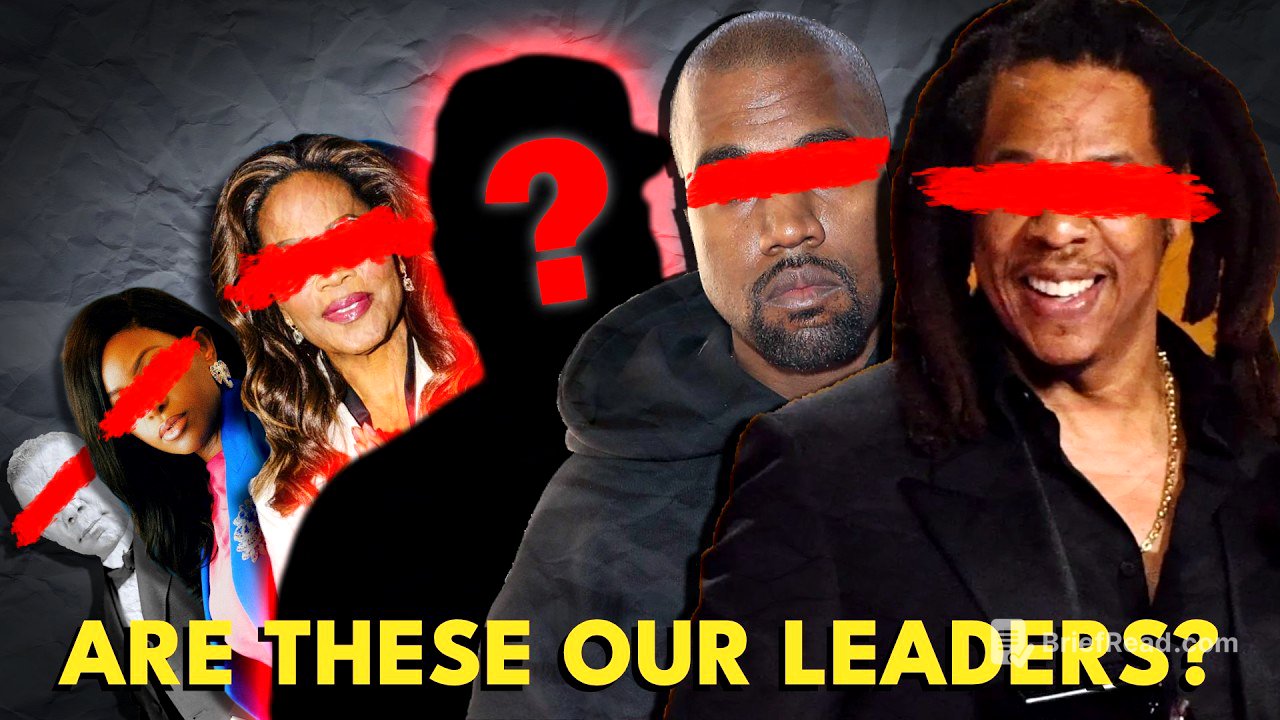
The video discusses the concept of Black Misleadership and critiques various prominent figures within the Black community who are seen as misleaders. Key points include:
- Definition and origin of Black Misleadership.
- Examples of political figures who exemplify misleadership.
- The importance of understanding capitalism's impact on the Black community.
- A critical look at Killer Mike's evolution from a revolutionary figure to one increasingly aligned with capitalist interests.
Banger intro [0:00]
The speaker introduces their intention to have an open conversation about Black leadership and the role certain Black leaders play in the struggle for Black rights. They distinguish between genuine Black revolutionaries and leaders manipulated by oppressive systems.
What is Black Misleadership? [1:15]
Black Misleadership refers to those Black political figures who align with corporate interests rather than the needs of the wider Black community. The term, attributed to Glenn Ford, encapsulates the betrayal and exploitation of Black communities by leaders who prioritize their personal gain over collective welfare.
The Misleader and Chief [16:15]
The speaker critiques figures like Barack Obama, arguing that while he presents as a representative of the Black community, his policies often perpetuate the systems oppressing them. This leads to the idea that Black leaders may become complicit in their exploitation.
Black Moses [50:20]
The section discusses historical examples of revered Black leaders and contrasts them with modern figures. While leaders like Harold Washington are celebrated for their genuine efforts, others like Kwame Kilpatrick exploited their positions for personal gain, illustrating the dangers of Black Misleadership.
"Not a Dashiki Type of Girl" [1:22:51]
The discussion focuses on Oprah Winfrey and her reluctance to engage with Black politics, viewing it as beneath her. This section critiques her preference for mainstream acceptance over addressing systemic issues facing the Black community.
The Telegraphed Plot Twist [1:40:39]
The narrative shifts to the expected patterns of misleadership, highlighting how certain Black leaders tend to disregard radical politics in favor of maintaining their status and comfort within oppressive systems.
How Did We Get Here? [2:01:02]
The speaker examines the evolution of Killer Mike's political views, detailing his journey from a radical artist to someone who finds success in mainstream culture while collaborating with conservative figures. This transformation raises questions about the authenticity of his commitment to Black liberation.
Smiling with the enemy [2:31:28]
Criticism is directed towards Killer Mike for engaging with politicians like Brian Kemp, who have historically contributed to systemic oppression against Black people. The discussion centers on his contradictory stance, positioned as pursuing Black interests while seemingly aligning with harmful ideologies.
F*ck YOU, Pay ME! [2:53:28]
This chapter explores the problematic nature of Black capitalism, suggesting that it ultimately serves to enrich a small elite while failing to address the broader struggles of the Black community. The speaker argues against the notion that wealth accumulation by individuals can free the collective.
Misleadership Personified [3:16:21]
The speaker concludes by summarizing the attributes of Black misleaders, emphasizing their alignment with capitalist interests and their disconnect from the needs of the people they represent. The call for accountability within the Black community is highlighted as essential for overcoming systemic oppression.