TLDR;
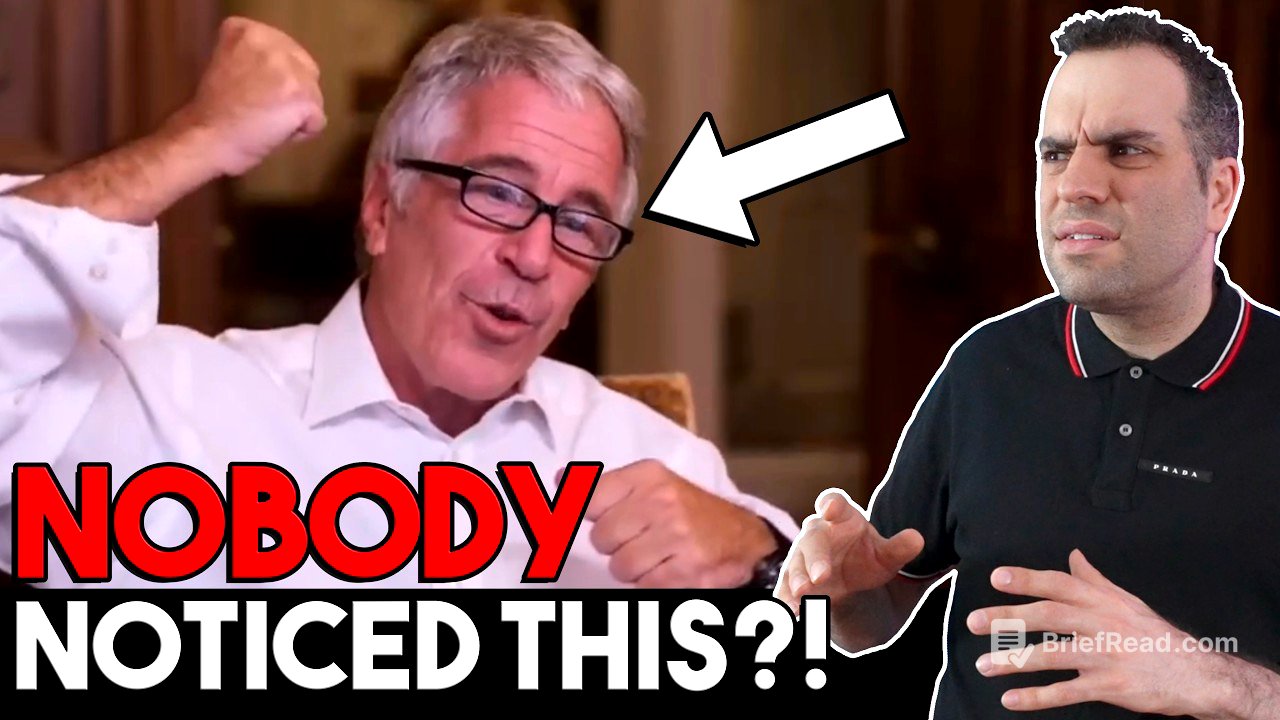
This video analyzes a 2019 filmed conversation between Jeffrey Epstein and Steve Bannon, focusing on Epstein's behaviors, word choice, body language, and facial expressions to understand his personality and the interview's intention. The analysis covers Epstein's eyebrow movements, hand gestures, storytelling style, and responses to questions about his time in jail and accusations against him. It also explores whether the interview was for a documentary or media training, and discusses the public's suspicion of the government's handling of the Epstein case.
- Eyebrow movements as indicators of emphasis, surprise, and storytelling cues.
- Hand gestures, such as the steeple and neck-guarding, as emblems of confidence and realization.
- Epstein's narrative style, which often downplays negative aspects and emphasizes self-importance.
- The potential purpose of the interview, whether for a documentary or media training.
- The significance of the DOJ's handling of the Epstein case and the public's resulting distrust.
Introduction [0:00]
The video introduces an analysis of a filmed conversation between Jeffrey Epstein and Steve Bannon from 2019. The analysis aims to provide insight into Epstein's personality by examining his word choice, body language, and facial expressions. The goal is to understand the intention behind the interview and what it reveals about Epstein as a person.
Eyebrow Analysis and Storytelling [1:09]
The analysis begins with a clip of Epstein recounting his time in jail, focusing on his eyebrow movements. Eyebrow flashes typically indicate emphasis, social approval, or surprise. Epstein's eyebrows often remain still, but during storytelling, they come to life in distinct ways. He uses eyebrows for emphasis, such as when mentioning "Lehman Brothers," and for surprise, like when he learned about Wall Street's crash. Epstein also uses a unique, quick eyebrow flash after stating an idea, signaling its importance and prompting the listener to consider it. This storytelling tool adds emphasis, surprise, and social connection.
Hand Gestures and Confidence [6:11]
The video examines Epstein's hand-to-neck gesture, interpreting it as an intentional emblem signifying his realization of being in trouble upon hearing about the company he had history with. Additionally, his use of the steeple hand position, common in the corporate world, suggests an attempt to project confidence, particularly when discussing his time in jail. Epstein's narrative style is described as detached, as if recounting a movie plot, lacking the weight and heaviness expected given his situation.
Purpose of the Interview and Omissions [9:59]
The analysis explores the purpose of the interview, considering whether it was for a documentary or media training. The video leans towards the latter, suggesting it might be a simulation to prepare Epstein for public perception. A significant point is the omission of Epstein's work release during his jail time, which allowed him to leave for 12 hours a day, six days a week. This omission is seen as an effort to maintain a more compelling narrative of hardship.
Distancing Language and Misrepresentation [17:25]
The video highlights Epstein's use of distancing language, such as saying "they were afraid people are going to hang themselves" instead of including himself in the group at risk. This suggests he doesn't see himself as part of the same demographic as other inmates. The analysis also points out Epstein's misrepresentation of why he was in solitary confinement, attributing it to concerns about inmates seeking his stock advice, which is deemed untrue.
Behavioral Inconsistencies and Grandiose Sense of Self [21:06]
The video discusses Epstein's response to being asked if he found it amazing that he was in jail, noting his positive spin on the experience. This leads to a discussion about behavioral patterns inconsistent with someone who would take their own life. Epstein's grandiose sense of self, described as narcissistic, is highlighted. The video suggests that his behavior doesn't align with typical signs of self-harm ideation, though it acknowledges the possibility of media training influencing his demeanor.
Source of Confidence and Intellect [27:33]
The analysis identifies Epstein's intellect and knowledge as the source of his confidence. He often provides long-winded answers with quotes and references, even when asked simple questions. When Bannon suggests that people would normally think he's soulless, Epstein brushes it off and reverts to his intellectual defenses, using quotes and mathematical references to regain his composure.
Devil Comparison and Overall Impression [30:07]
The video examines Epstein's reaction to being compared to the devil. He initially responds with a witty remark about having a good mirror but becomes more serious when pressed. His confusion as to why someone would compare him to the devil is seen as either a sign of a grandiose sense of self or media coaching. The analysis concludes that without prior knowledge of Epstein, some might see him as an interesting, informed man, while others might perceive him as self-satisfied with an inflated ego. The video also touches on the DOJ's handling of the Epstein case, noting the public's suspicion due to conflicting stories and delayed release of information.