TLDR;
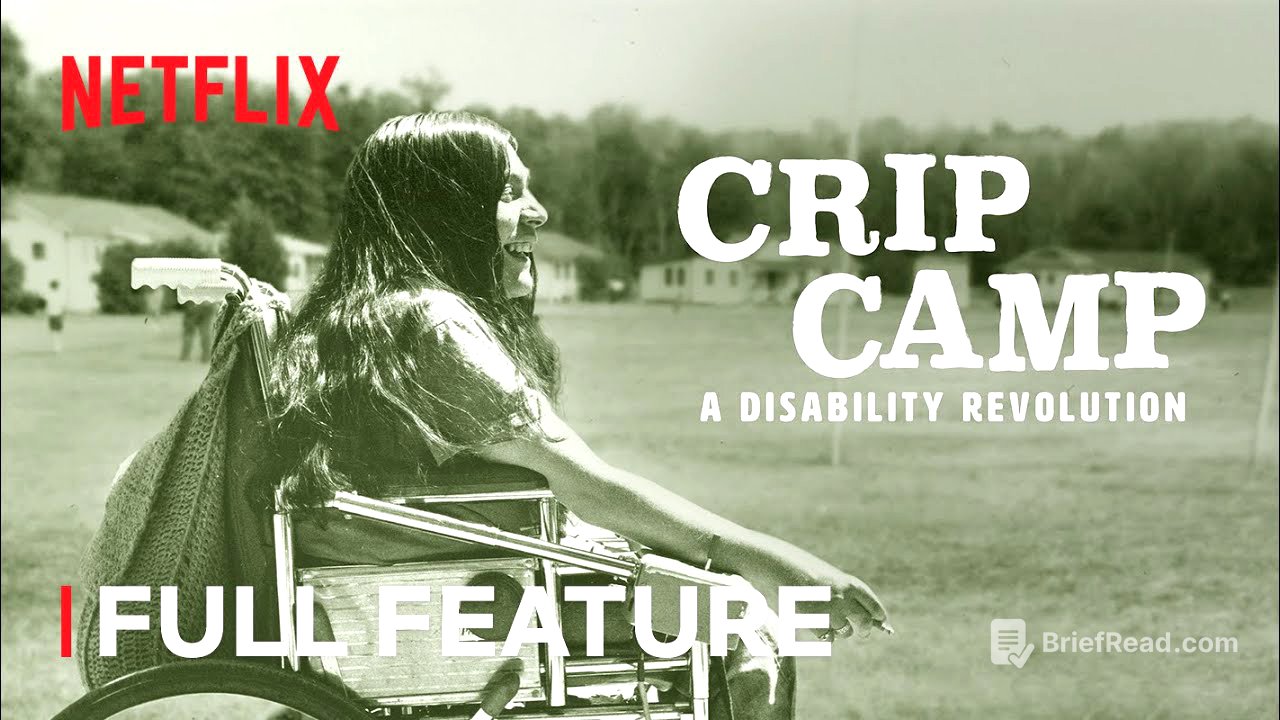
This video showcases the experiences of individuals with disabilities at Camp Jened, a summer camp known for its progressive and inclusive atmosphere during the 1960s and 70s. Through personal stories, it highlights the importance of community, independence, and advocacy for disability rights. The camp fostered a sense of belonging and empowerment among campers, many of whom later became activists pushing for civil rights for people with disabilities.
- Many disabled individuals found acceptance and self-identity at Camp Jened.
- Campers and counselors shared experiences, forming bonds that led to advocacy for disability rights.
Camp Jened and Its Impact [0:21]
Jim LeBrecht, a sound designer from Berkeley, reflects on the life-changing experience of attending Camp Jened, a summer camp for disabled children, where he felt accepted and free. He recalls how he was born with spina bifida and had to overcome societal barriers throughout his childhood. While many disabled children were sent to institutions, Jim's father encouraged him to be outgoing and make connections with others.
A Transformative Experience at Camp [4:11]
Upon arriving at Camp Jened, Jim's initial anxiety transformed into excitement as he encountered a vibrant community of campers and counselors, many of whom disrupted stereotypes around disabilities. The camp provided an atmosphere of freedom and self-expression, reminiscent of the Woodstock festival. Campers engaged in various activities and formed friendships that would last a lifetime, allowing them to explore their identities without fear of judgment.
Life Lessons from Camp [7:54]
Through shared experiences, campers learned that struggles were common, such as the challenges of needing assistance or dealing with medical issues. Jim recalls personal vulnerabilities and emphasizes that such realities were normalized at camp. This acceptance became the foundation for building confidence and independence among the campers, fostering a sense of community that extended beyond summers at Jened.
Challenges Beyond Camp [18:41]
As campers returned home, they faced a stark contrast to the supportive environment of camp. Many struggled with inaccessible public spaces and societal prejudice, highlighting the need for change in how individuals with disabilities were treated. This led to discussions about creating a civil rights movement for disabled individuals, which gained traction as activists sought to raise awareness of their struggles and advocate for equal rights.
The Fight for Disability Rights [33:41]
The video details key moments in the disability rights movement, notably the push for Section 504 of the Rehabilitation Act in 1972, which aimed to end discrimination against individuals with disabilities. Activists like Judy Heumann and her peers organized protests and sit-ins to demand enforcement of these rights. Their perseverance played a crucial role in raising public awareness and ultimately contributed to the passage of important legislation safeguarding disabled individuals' rights.
Outcomes of Activism [53:21]
The activism stemming from Camp Jened significantly influenced policies affecting the disabled community. Following protests and advocacy, reforms led to accessibility improvements across public infrastructure, healthcare, and education. Jim LeBrecht's journey reflects the broader change occurring, as he eventually became the resident sound designer at the Berkeley Repertory Theatre, which also became accessible due to regulations prompted by their activism.
Reflections and Legacy [1:11:41]
As the video concludes, LeBrecht and fellow campers reflect on their experiences at Camp Jened, recognizing it as an essential part of their lives and identities. Their stories highlight the enduring spirit of advocacy and togetherness, illustrating the lasting impact of the camp and its role in the broader movement for disability rights. The movement not only addressed physical barriers but also contributed to shifting societal perceptions of disability.