TLDR;
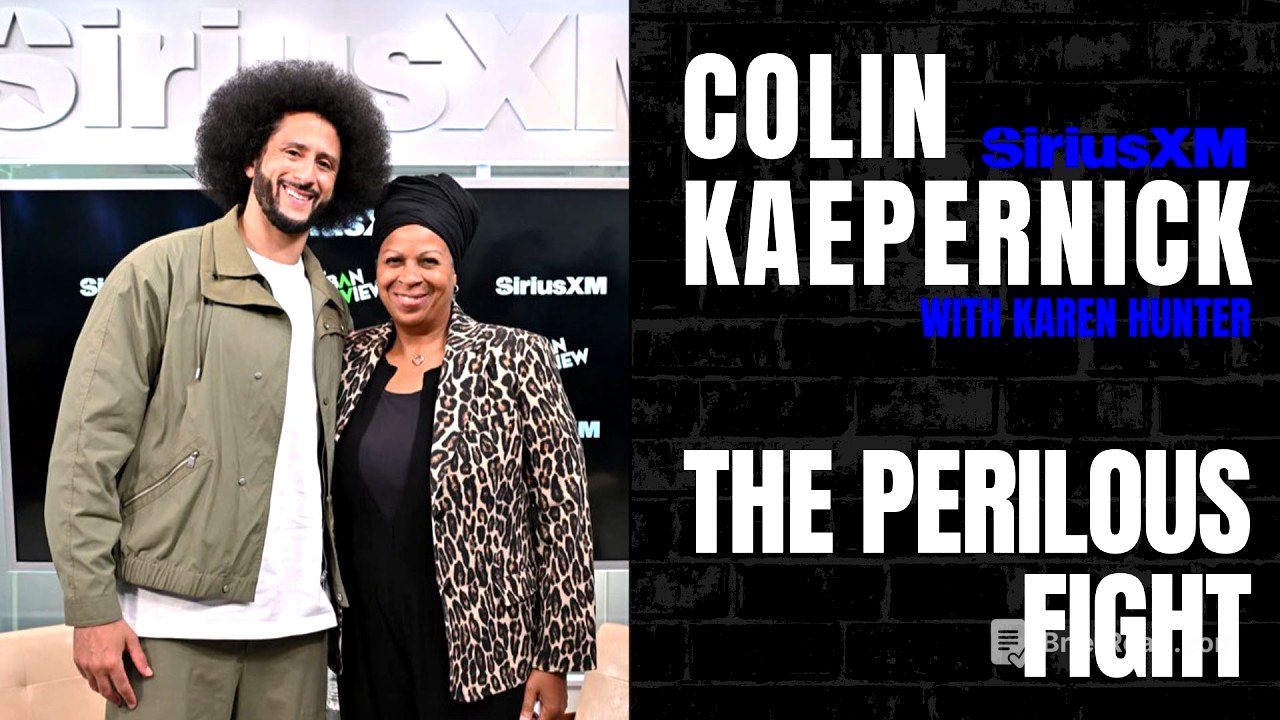
In this video featuring Colin Kaepernick and Karen Hunter, Kaepernick discusses various subjects including his activism, experiences with racism, his new book "The Perilous Fight," and the impact of collective power. He sheds light on the significance of hair in his identity, reflects on the reactions to his protest during the national anthem, and addresses the perception of black athletes in society. Kaepernick also shares personal anecdotes about his family and upbringing, alongside commentary on the NFL, activism, and his views on figures like Jay-Z.
Key points include:
- The history and repercussions of Kaepernick's protests.
- The cultural and personal significance of hair in Kaepernick's life.
- Reflections on race, identity, and the effects of systemic racism.
- The position of black athletes in the NFL and the challenges they face.
Introduction of Colin Kaepernick [0:00]
Colin Kaepernick is introduced as an activist and author who has influenced sports culture through his protests against racial injustice. He emphasizes the importance of being fearless in the fight against social injustice and addressing the challenges systemic racism presents. He affirms the necessity of solidarity in activism.
Hair has been a part of your defiance [1:54]
Kaepernick discusses the significance of hair as a reflection of his identity and defiance. He explains his grooming routine and how it relates to his self-expression, noting that his hair journey connects to broader themes of cultural identity and resistance throughout his life. He shares anecdotes about iconic figures like Allan Iverson and how hairstyles serve as powerful symbols in the context of black experiences.
Why did you write this new book The Perilous Fight [4:15]
Kaepernick reveals the motivation behind writing "The Perilous Fight," expressing a desire to provide readers with insights about his protest and the underlying systemic issues. He explores personal experiences and collective movements, sharing valuable lessons on facing challenges associated with activism. He aims to empower individuals to navigate the struggles they might encounter while working toward systemic change.
The knee heard around the world [5:26]
Reflecting on the moment of kneeling during the national anthem, Kaepernick recounts the buildup to this act of protest and the unexpected backlash it caused. He discloses that he initially sat during the anthem before transitioning to kneeling, a decision inspired by a conversation with a former soldier. He expresses awareness of the historical context regarding protests by black athletes like Muhammad Ali, noting that they often face significant repercussions for speaking out.
What do your parents think of your activism? [9:29]
Kaepernick shares insights into his parents' perceptions of his activism. He reflects on conversations with his mother about police brutality and mutual understanding regarding race issues. While acknowledging the different lived experiences between himself and his parents, he conveys hope that they now possess greater empathy and comprehension of the systemic challenges he faces.
Do you consider yourself bi-racial? [19:23]
Kaepernick discusses his identity, affirming his identification as a black man despite his biracial background. He shares his views on the term "biracial," viewing it as a potential means to separate members of the black community rather than as an identifier of personal experience. He emphasizes the importance of collective power and recognizes the societal implications of how individuals are treated based on race.
Karen Hunter on why she stopped supporting the NFL [26:56]
Karen Hunter elaborates on her decision to stop supporting the NFL, connecting it to Kaepernick's protest. She elucidates her disillusionment with the league, emphasizing the lack of accountability for the systemic issues facing black athletes and their communities. This highlights the growing awareness among fans about the dynamics between sports and social injustices.
The Influence of Collective Power [30:30]
Kaepernick underscores the concept of collective power, discussing its potential to affect change. He reflects on historical instances where athletes have united to advocate for justice and stresses the importance of solidarity among players. Kaepernick believes that if athletes utilize their collective influence, they can drive significant societal reforms both in sports and in the larger community.
Break [35:53]
The show takes a brief intermission before continuing the discussion.
The NFL combine is like slavery [36:07]
Kaepernick equates the experience of the NFL Combine to a form of modern slavery, critiquing how players are commodified and objectified. He elaborates on the demeaning aspects of the combine, emphasizing that the process involves athletes being subjected to invasive evaluations and judgments that detract from their athletic capabilities and humanity.
The demonization of black athletes [42:25]
Kaepernick addresses the negative stereotypes and demonization faced by black athletes, illustrating how society often portrays them in a unfavorable light. He advocates for recognizing their struggles and contributions beyond the sports sphere as they often have to navigate the dual pressures of performing well while combating systemic racism.
We Need to talk about Jay-Z [48:12]
Kaepernick comments on Jay-Z's partnership with the NFL, expressing criticism regarding the implications of this alliance and how it reflects the exploitation of cultural symbols. He reveals conversations he had with Jay-Z, reiterating the need for accountability and the negative impact of working within the system without challenging its foundations.
Why Colin’s new book is not sold in Target stores [56:20]
Kaepernick explains the decision to pull his book from Target stores as a statement against the corporation's practices that contradict the values he promotes. He emphasizes the necessity of sending a message and organizing boycotts to demand better treatment from corporations, illustrating the significance of ethical consumerism in supporting community interests.