TLDR;
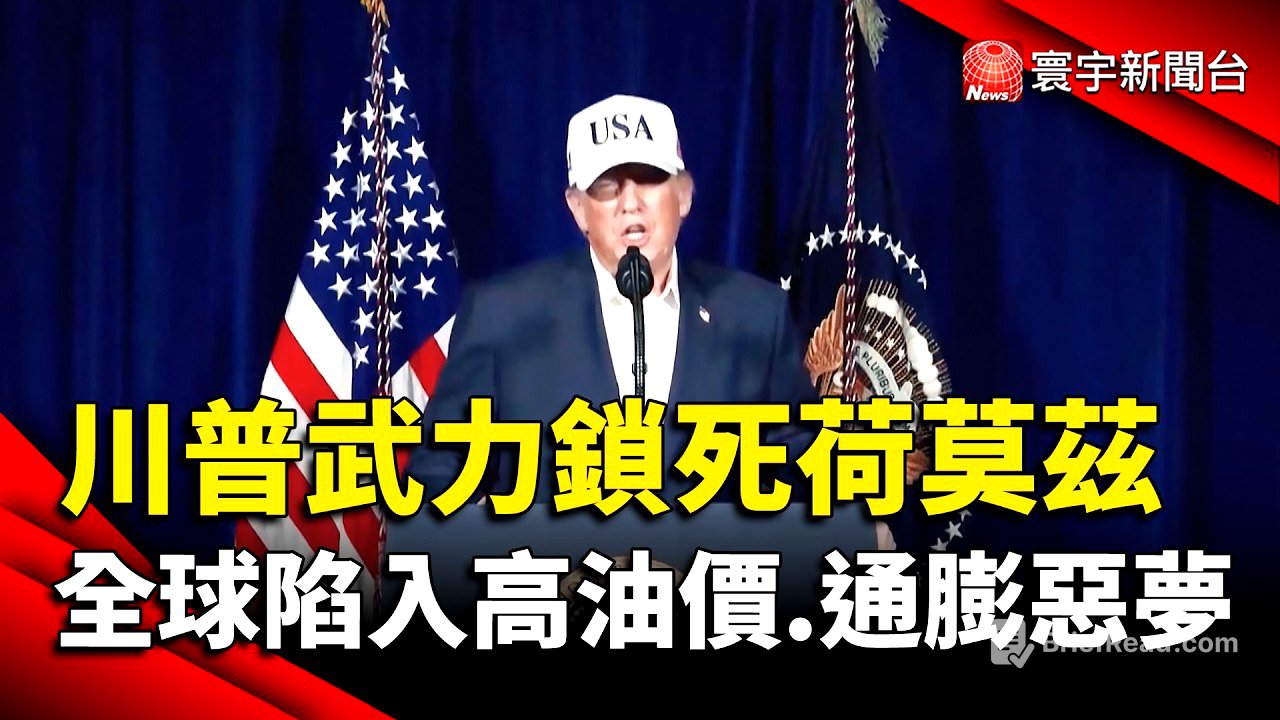
This video discusses the implications of a blockade imposed by then US President Donald Trump on ships entering and exiting the Strait of Hormuz. The blockade, aimed at Iran, is described as an act that disrupts global navigation rules and forces countries to take sides under the threat of US military action. The potential consequences include significant economic damage to Asian industrial nations dependent on energy imports, financial strain on oil-producing countries, rising oil prices, and disruptions to global supply chains.
- The blockade is described as a move to isolate Iran and rewrite global navigation rules through military force.
- Asian countries that rely on energy imports may face factory shutdowns and reduced production.
- Oil prices are expected to rise, potentially leading to energy rationing and economic recession.
US Blockade on Strait of Hormuz [0:00]
The video begins by stating that then US President Donald Trump implemented a blockade on ships entering and exiting the Strait of Hormuz, regardless of their origin. This action eliminates diplomatic neutrality and forces nations worldwide to align with the US under military pressure. The intention behind this blockade is not only to isolate Iran but also to fundamentally alter global navigation rules through military means.
Economic Impact and Global Recession [0:23]
The blockade is expected to severely impact Asian industrial powers that rely on energy imports, potentially leading to financial instability. The disruption in oil supply, estimated at millions of barrels per day, could force factories across Asia to reduce production or even shut down. Oil-producing countries in the Persian Gulf are also likely to experience a sharp economic downturn, with potential losses exceeding those during the COVID-19 pandemic. Experts are concerned that this could trigger a global economic recession, disrupting global supply chains.
Energy Crisis and Rising Oil Prices [1:46]
The consequences of the Strait of Hormuz blockade are evolving into a global crisis, with international oil prices surging after the blockade. Brent and West Texas Intermediate crude oil prices have both surpassed $100 per barrel, leading to energy rationing. Some airports are even facing shutdowns due to fuel shortages. While Trump acknowledged that oil prices are unlikely to decrease in the short term, the situation is creating challenges for people struggling with high inflation.