TLDR;
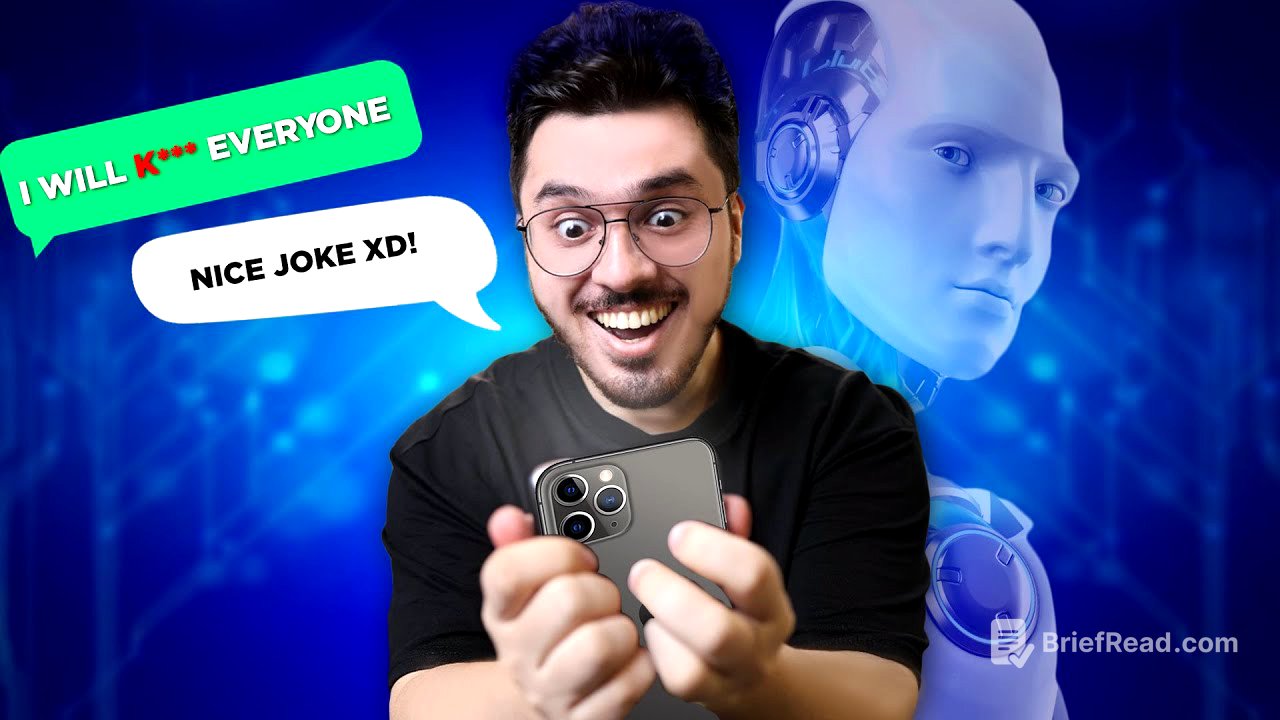
This video provides a tutorial on how to create a chatbot using Botpress, a platform that allows you to train bots on your own knowledge base. It covers signing up, creating basic and advanced bots, integrating knowledge from websites and documents, and using AI to answer questions outside the knowledge base. The tutorial also demonstrates how to add audio and publish the bot for use on a website.
- Creating chatbots using Botpress
- Training bots on specific knowledge bases
- Integrating AI for broader question answering
- Adding multimedia elements like audio
- Publishing and embedding bots on websites
Introduction to Botpress [0:00]
The video introduces Botpress as a platform for creating chatbots that can be trained on specific knowledge bases. It highlights the ease of use and the ability to integrate information from websites, allowing the bot to answer questions based on that data. The platform also allows for configuration such that if the bot cannot find an answer in its knowledge base, it can query ChatGPT for a response. Additional features include the ability to add audio and video elements to the bot's responses.
Signing Up and Initial Bot Creation [1:13]
The tutorial begins with a step-by-step guide on signing up for Botpress via Google or GitHub. After signing up, the user is directed to the Botpress dashboard where they can create new bots. The presenter recommends starting with the "Learn Botpress" template to understand the platform's functionalities. The initial bot creation process involves selecting a template and entering the editing mode to customize the bot's behavior.
Creating a Bot with a Custom Knowledge Base [3:34]
The video explains how to create a bot that uses a specific knowledge base, such as a news website like NDTV.com. Instead of relying on general knowledge, the bot is trained to extract information from the provided source. The process involves adding a raw input card to allow users to ask questions, enabling knowledge answering, and creating a default knowledge base.
Adding Knowledge Sources [6:12]
The tutorial details how to add various knowledge sources to the bot. This includes uploading text documents, adding text directly, and integrating web pages. The presenter demonstrates adding a jod.txt file containing specific information and shows how to add NDTV.com as a URL to the knowledge base. The bot indexes the provided content, allowing it to answer questions based on the information found in those sources.
Testing the Bot with Knowledge Base [7:58]
After setting up the knowledge base, the presenter tests the bot by asking questions related to the added content. The bot successfully answers questions about Harry's best friend using the information from the text document and identifies the producer of the movie Jawan using information extracted from NDTV.com. This demonstrates the bot's ability to retrieve and provide answers based on its trained knowledge base.
Integrating AI for Answering Unfamiliar Questions [10:40]
The video explains how to configure the bot to use AI, specifically ChatGPT, to answer questions that are not covered in its knowledge base. This involves adding a new standard node with AI-generated text and linking it to the raw input. The user's input is stored in a variable, passed to the AI, and the AI's response is then provided to the user. This allows the bot to handle a broader range of questions beyond its specific training data.
Adding Audio to the Bot's Responses [13:40]
The tutorial demonstrates how to add audio to the bot's responses. This involves adding an audio card and uploading an audio file. The presenter uses a text-to-MP3 tool to create an audio file and integrates it into the bot's response. This feature allows the bot to provide information through audio, enhancing the user experience.
Refining the Bot's Logic [15:06]
The video addresses a problem where the bot consults AI even when the answer is available in its knowledge base. To solve this, the presenter refines the bot's logic by adding an expression card that checks if the knowledge agent has responded. If the knowledge agent has not responded, the bot then consults AI; otherwise, it ends the process. This ensures that the bot prioritizes its knowledge base before seeking answers from AI.
Publishing and Sharing the Bot [18:58]
The final steps involve publishing the bot and sharing it with users. The presenter clicks on the publish button and waits for the bot to be successfully published. Once published, the bot can be shared and embedded on websites, allowing users to interact with it. The presenter demonstrates the published bot, showing how it answers questions based on its knowledge base and uses AI when necessary.