TLDR;
This video lesson discusses the emergence of ancient civilizations in Asia, specifically focusing on the Indus Valley and the Huang He (Yellow River) Valley. The presentation covers two major topics: the Indus Valley Civilization (Harappan Civilization) and the Shang Dynasty in China. Key points include the characteristics, societal structures, and developments within these civilizations, as well as their historical significance and decline.
- Focus on Indus Valley Civilization and Shang Dynasty.
- Examination of political, economic, and cultural aspects of both civilizations.
Emergence of Civilizations in Asia [0:06]
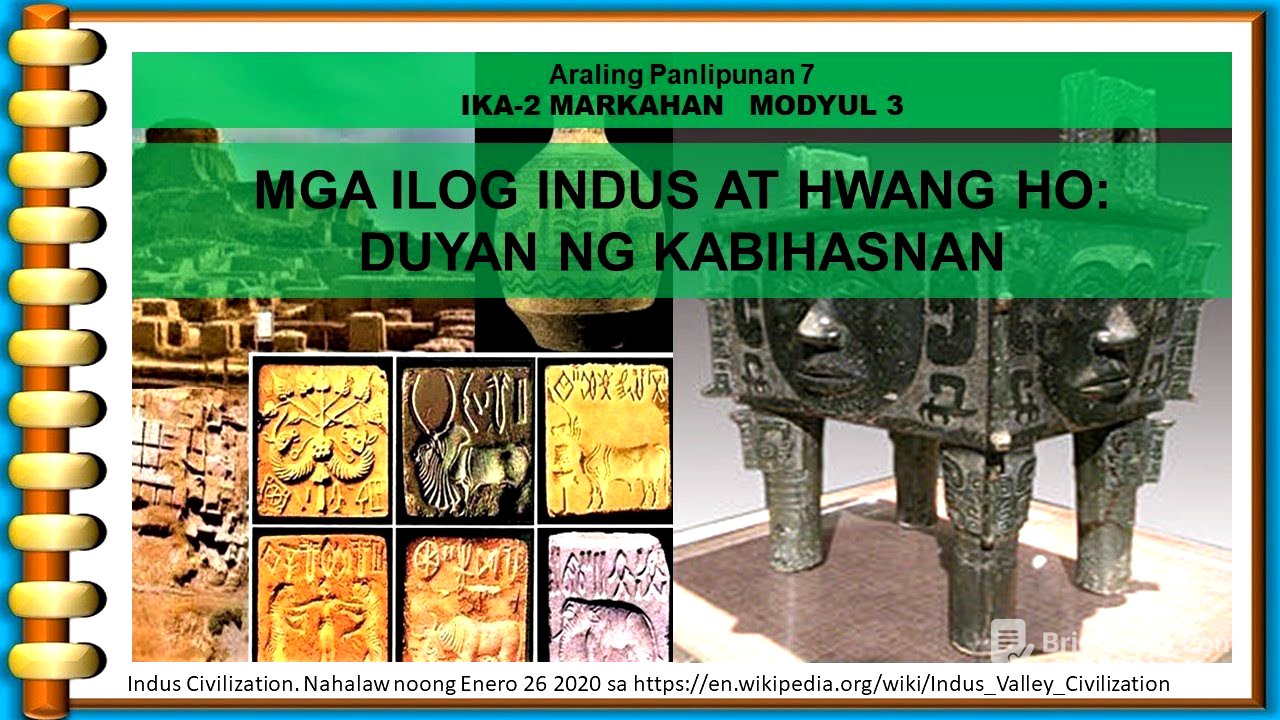
The lesson begins by indicating that students are now studying Module 3 of their social studies class, which centers on emerging civilizations in Asia. The specific focus will be on the Indus Valley and Huang He River, referred to as the cradle of civilization. The module aims to educate students about the civilizations that arose in these regions, including significant concepts related to the Indus and Shang civilizations.
Indus Valley Civilization [3:16]
The video elaborates on the Indus River, currently located in Pakistan, which served as the foundation for civilizations in South Asia. Known as the Harappan Civilization, named after Harappa—the first of several notable archaeological sites discovered in the area—this civilization includes cities such as Mohenjo-Daro and others. These urban centers exhibited advanced urban planning, social stratification, and trade systems. Despite these achievements, archaeologists face challenges in understanding their writing system and lifestyle, as the script remains undeciphered.
Shang Dynasty in China [7:25]
The narrative then transitions to the Shang Dynasty, noted for its establishment along the Huang He River in China, from 1766 to 1122 BCE. It is considered the earliest historically confirmed Chinese dynasty, with significant evidence provided by archaeological excavations. The Shang people utilized oracle bones for divination, believing in the spiritual guidance of ancestors, and developed a complex societal structure punctuated by a clear hierarchy. They also created a standardized written language, contributing to the establishment of a unified Chinese culture.
Legacy of the Shang and Subsequent Dynasties [12:46]
The presentation concludes with a brief overview of the subsequent Zhou and Qin dynasties following the Shang. The Zhou Dynasty experienced a fragmentation of power across various states, leading to significant social upheaval and the rise of philosophical schools like Confucianism. The Qin Dynasty, founded by Shi Huang Ti, marked a milestone in Chinese history with the unification of the nation and construction of the Great Wall. However, Shi Huang Ti’s oppressive rule, including the burning of historical texts, left a controversial legacy. The lesson wraps up by reiterating the main points covered about the Indus and Huang He civilizations, emphasizing their lasting impact on history.