TLDR;
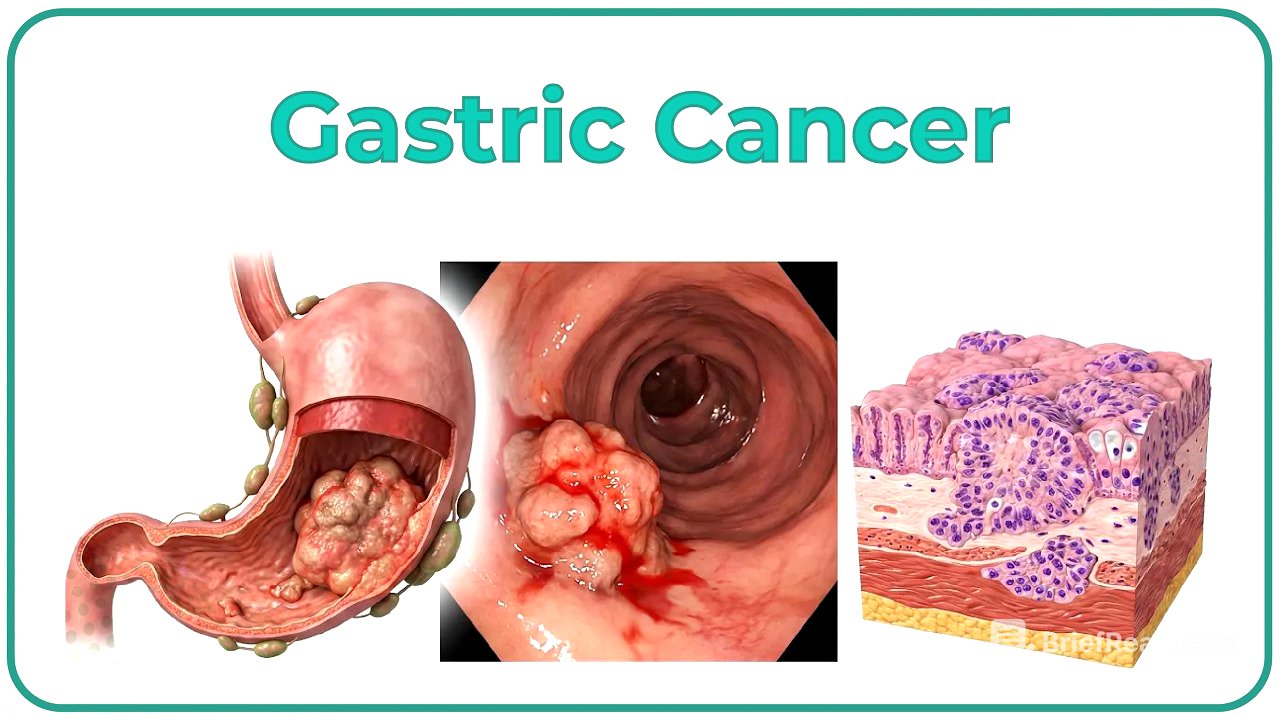
This video offers a comprehensive overview of gastric cancer, covering its types, risk factors, clinical features, pathology, diagnostic procedures, treatment options, and prognosis. The key points include:
- Gastric cancer mainly consists of adenocarcinomas, with key subtypes like lymphoma and sarcoma being rarer.
- Risk factors include diet, infections, and genetic factors, with different incidences based on geographic regions.
- Symptoms often start as vague, leading to significant weight loss and abdominal pain, with advanced stages showing more severe symptoms.
Introduction to Gastric Cancer [0:05]
Gastric cancer originates from malignant changes in gastric cells, with 85% being gastric adenocarcinomas. Other rare types include mucosa-associated lymphoid tissue lymphoma and gastrointestinal stromal tumors. Gastric cancers can be classified histologically as intestinal or diffuse, with variations in epidemiology based on tumor location.
Epidemiology of Gastric Cancer [0:44]
The incidence of gastric cancer varies globally, with males showing higher rates than females. Peak incidences occur around 70 years of age, primarily in Eastern Asia, South America, and Eastern Europe. Conversely, lower rates are noted in North America, Northern Europe, and Africa. The occurrence rates also differ among various ethnic groups.
Risk Factors for Gastric Cancer [1:38]
Risk factors for non-cardia gastric cancers include long-term consumption of high-nitrate foods, H. pylori infection, atrophic gastritis, and gastroesophageal reflux disease (GERD). Gonad gastric cancer risks increase due to GERD, obesity, male gender, tobacco use, and radiation exposure. Socioeconomic status and migration from high-incidence regions may also play a role.
Clinical Features of Gastric Cancer [2:38]
Many patients are asymptomatic in the early stages of gastric cancer. As the disease progresses, symptoms like weight loss (seen in 62% of patients), abdominal pain, nausea, and dysphagia may develop. Abdominal pain tends to become more severe, and early satiety can lead to significant weight loss, generally due to lack of sufficient caloric intake.
Pathology of Gastric Cancer [5:57]
The most common type of gastric cancer is adenocarcinoma, making up 90% of cases, typically presenting as localized lesions from glandular cells. Different types, such as signet ring cell carcinoma and Lauren classification's intestinal or diffuse types, exhibit distinct biological behaviors and prognoses, with the diffuse type having a worse outcome.
Diagnostic Procedures for Gastric Cancer [8:24]
Upper endoscopy is the preferred method for screening gastric cancer, allowing direct visualization and biopsy of lesions. It is more sensitive than alternative methods like barium radiography, which has a high false-negative rate, especially for early-stage cancer. Other diagnostic tools include serum pepsinogen testing and various imaging techniques.
Clinical Staging and Treatment Options [11:33]
Staging is critical for guiding treatment, with local diseases potentially becoming curable after thorough evaluation. Surgery is often the best approach for early-stage tumors, while palliative care is necessary for advanced stages. Various surgical options and therapies like chemotherapy or targeted treatments are discussed based on the cancer's extent and type.
Prognosis of Gastric Cancer [16:10]
Gastric cancer often presents late, making early diagnosis crucial for favorable outcomes. Roughly 60% of diagnoses occur at advanced stages, reducing the chances for curative treatment. Early-stage gastric cancer has a better prognosis, while distant metastasis significantly worsens survival rates.