TLDR;
This video explores Kubachi, a remote Muslim village in the Caucasus Mountains of Russia, highlighting its unique blend of Islamic traditions, cultural heritage, and craftsmanship. It discusses the village's history, religious practices, social life, and how it has preserved its identity for centuries. Key takeaways include:
- Kubachi's remote location has allowed it to maintain its traditions and Islamic identity.
- The village is renowned for its metalwork and the craftsmanship of its people.
- Islam is deeply integrated into the daily life of Kubachi residents, influencing their values and social interactions.
- The traditions of Sufism and Sufi orders have played a significant role in shaping the spiritual heritage of the community.
- The weekly market and the celebration of Ramadan and Eid al-Fitr are important social and religious events in Kubachi.
Introduction to Kubachi [0:00]
The Islamic Faith channel introduces Russia as a country spanning two continents with a significant Muslim population. It then zooms in on Kubachi, a remote Muslim village nestled in the Caucasus Mountains, far from the typical associations of Russia. This village, located at a high altitude, has preserved its Islamic traditions for centuries, offering a unique glimpse into a different world.
History and Islamic Roots [2:10]
Kubachi is an ancient settlement that embraced Islam around the 7th century AD. The village's remote location has helped preserve its traditions. Life in Kubachi is simple and religious, with the mosque serving as the center of social life. The call to prayer echoes through the mountains, and family values are strong. Kubachi is often called the hidden Islamic village due to its remote location and the fact that few tourists know about it.
Craftsmanship and Culture [3:58]
The name Kubachi is believed to come from the Turkish word for weaponsmiths and metal workers. Since the 16th century, the village has been known for producing traditional weapons and metal jewelry, especially silver. Kubachi's population is mostly Dargan, and Islam has been a key part of their society since around the 10th century. Arab historians have praised Kubachi for its high-quality silver-decorated weapons. Kubachi women are also skilled in embroidering fine fabrics, creating traditional headscarves that can take up to six months to produce.
Daily Life and Traditions [6:18]
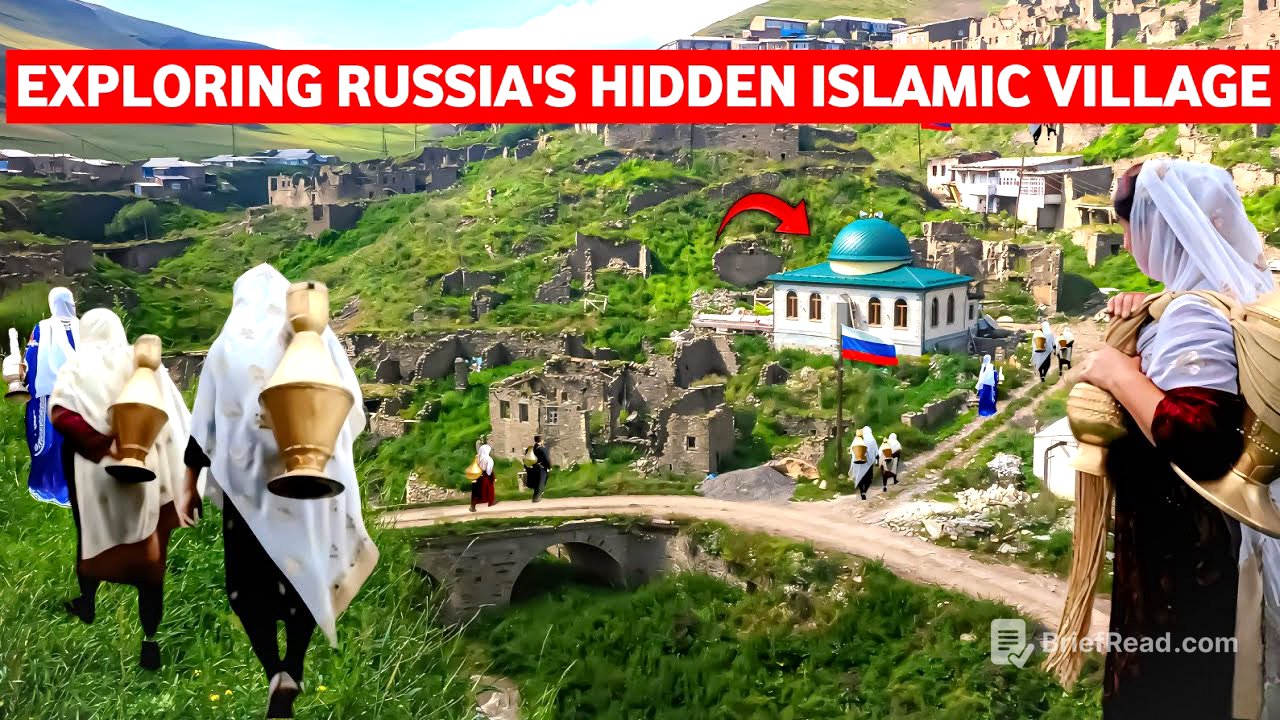
Kubachi is located at a high altitude with low rainfall and limited vegetation, shaping its people to be resilient and independent. Villagers trek to a hilltop spring for water, reflecting their connection to nature. Women in traditional white headscarves carrying water jugs are a distinctive sight. Wedding processions in Kubachi are grand celebrations involving the entire community, with hundreds or even thousands of guests. While bride kidnapping is no longer practiced, elements of it are still seen in cultural performances.
Location and Climate [9:18]
Kubachi is located in the Republic of Dagestan, Russia, at an altitude of about 1,650 meters above sea level. The remote location has helped the local people maintain their traditions. It is about 100 kilometers from the capital of Dagestan and can only be reached by a challenging overland journey. The village enjoys a mild climate, with cool summers and cold, snowy winters, providing an ideal environment for artisans to work.
Islamic Teachings and Education [11:36]
Kubachi is a society that highly upholds Islamic teachings, influencing the way they live, work, and create. Almost every family maintains a religious routine, including daily prayers and Quran recitation. The mosque is central to the community's social life, serving as a place of worship, education, and gathering. Children begin their education by studying the Quran at the local Madrasa, learning ethical values and Islamic teachings.
Historical Comparison: Kubachi and Kala Kuresh [13:13]
The video draws a comparison between Kubachi and Kala Kuresh, another ancient village in the Caucasus Mountains that was once a center for the early development of Islam. While Kala Kuresh is now largely depopulated, Kubachi continues to thrive, maintaining Islamic traditions and craftsmanship. These two villages tell the story of Islam's growth and development in the region.
Religious Practices and Sufism [14:44]
The majority of Muslims in Kubachi follow the Shafi school of jurisprudence. Religious practices are simple yet strong, with congregational prayer and Quranic study. Local Ulama serve as spiritual guides. The community is also influenced by Sufism, with values like simplicity and humility. Religion is present in every aspect of life, from work to relationships.
Respect for Elders and Islamic Heritage [16:34]
The culture of respecting religious scholars and elders is highly valued in Kubachi. Children grow up kissing their parents' hands and learning that craftsmanship is part of worship. While Kala Kuresh is now desolate, Kubachi exemplifies how Islamic heritage lives on through the people who care for it. Sufi scholars played a crucial role in shaping the character of the mountain people, instilling values of purification, patience and closeness to God.
Sufi Orders and Spiritual Heritage [17:33]
Sufi orders, like the Nakshbandia and the Kadaria, have deeply influenced the spiritual heritage of the Caucasus region. These orders emphasize spiritual discipline and remembrance of God. Sufi shakes moved from village to village, serving as community advisers and guardians of morality. The values of Sufism are present in Kubachi's lifestyle, with faith expressed in patience and meticulousness.
The Weekly Market [20:18]
Every Thursday, Kubachi hosts a traditional weekly market, where vendors from surrounding villages bring produce, fruits, vegetables, spices, and bread. The majority of vendors are women in traditional clothing, who drive the village's economic activity. The market is also a social space where people exchange news and strengthen community bonds.
Ramadan in Kubachi [22:02]
During Ramadan, the mountain village changes its rhythm. Families wake before dawn for the pre-dawn meal, and the call to prayer echoes through the mountains. Ramadan in Kubachi is a communal experience, quieter and deeper than in larger cities. The days are calm, with residents spending time reading the Quran and gathering with family. In the evenings, the village pauses to break their fast and attend congregational prayers.
Eid al-Fitr Celebrations [24:04]
After Ramadan, Kubachi celebrates Eid al-Fitr. People dress in their best clothes and walk to the mosque for prayers. Residents visit each other's homes to strengthen relationships, and families who live far away make an effort to visit. The values of Ramadan, like congregational prayer and sharing, remain strong even after the holiday is over. Eid is a bridge from worship to everyday life, carrying the same spirit of simplicity and closeness.
Conclusion [25:59]
Islam lives in every step, tradition, and heart in Kubachi. Times may change, but the values of faith, togetherness, and simplicity remain the same. Kubachi is special because of its steadfastness in preserving the light of Islam, a light that never fades, even in the most desolate places.