TLDR;
A small filming space can become an effective YouTube backdrop using a single blank wall, carefully chosen decor and a few well-placed lights. The setup creates visual interest and depth while leaving room for the presenter, and the lighting can be adjusted for either soft, even illumination or a more cinematic look.
- Choose a wall that suits your filming and lighting options.
- Arrange artwork, props, plants and a comfortable chair around where you will sit.
- Use layers and background lighting to separate yourself from the wall and make the shot more engaging.
How to Make a Perfect YouTube Backdrop in a Small Space! [0:00]
A dedicated studio is not essential for making videos; a blank wall can become a complete filming backdrop. Pick a wall with enough room to arrange decor around your position. A wall in front of a window offers access to natural light, although sunlight can cause reflections on glass-fronted frames.
Styling Your Filming Wall: Pro Decor Tips [0:46]
Once you have chosen a wall, personalise it with decor that suits your style. Framed pictures add a polished look and stand out from the flat wall, creating an extra layer in the shot. However, glass can reflect light, so if the wall is beside a window, curtains may be needed to control reflections. Posters are a more affordable option but add less depth; artwork without reflective glass can provide depth while avoiding glare.
Art That Pops: Choosing Ideal Pieces for Your Video Background [1:39]
Choose artwork and frames that complement your style and the look you want on camera. Consider how each option affects the shot: posters sit close to the wall, while frames and artwork with a raised border create more separation from it. Non-reflective artwork is particularly useful if you plan to use natural light, as it reduces glare.
Frame It Right: Arranging for Flawless YouTube Backdrops [2:32]
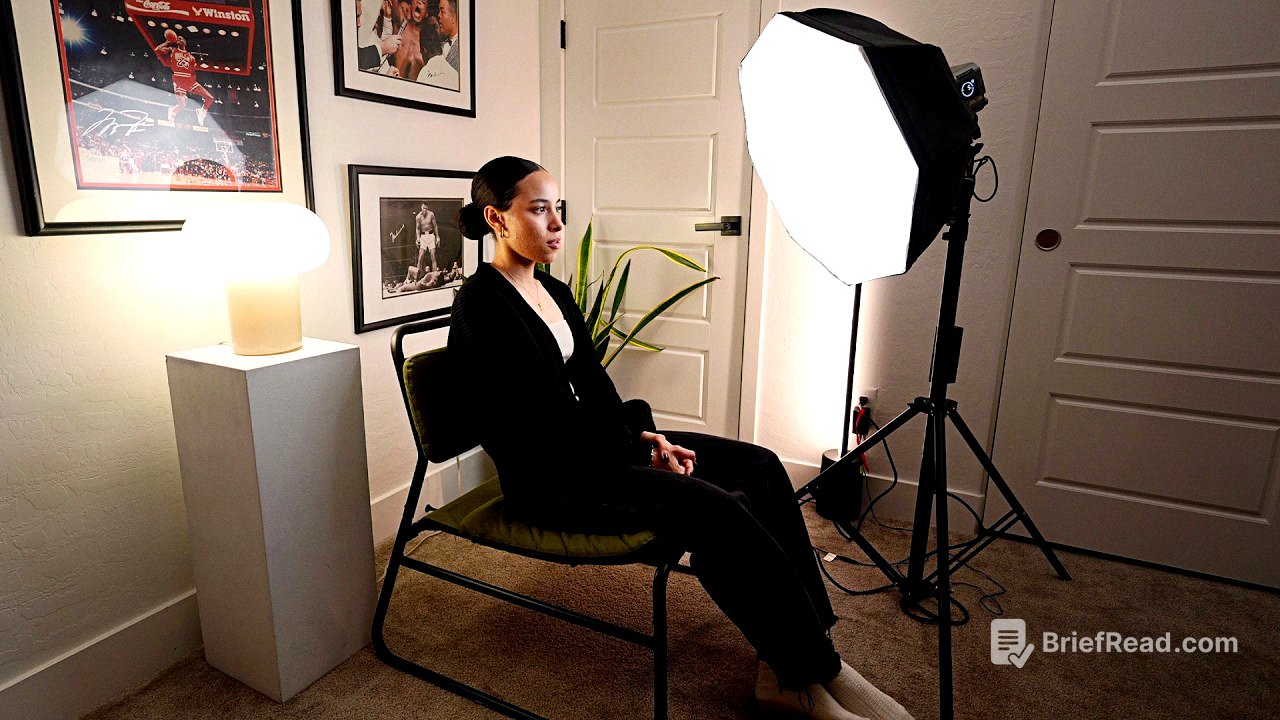
Arrange frames according to their sizes and where you will sit in the shot. Different-sized frames can be placed asymmetrically, but leave clear space in the middle for yourself and your chair. If the artwork is clustered behind you, your body may hide it; spreading the pieces around your position keeps them visible.
Prop Perfection: Staging Your Set for Engaging Videos [3:18]
A small table or nightstand can fill space beside you and hold a lamp or other props. Place it to one side of your filming position so it appears in the frame without crowding you. A distinctive lamp, such as a mushroom-shaped design, can add character, while the light it provides helps separate you visually from the background.
Light & Life: Elevating Your Background with Plants & Lighting [4:09]
A plant adds life and character to a backdrop, as well as another visual layer between the wall and the presenter. A snake plant is one useful choice because its spread helps fill more of the frame. Alongside artwork and a lamp, a plant makes the background feel less flat and helps distinguish the presenter from it.
The Creator's Chair: Choosing Comfort & Style for Your Set [5:07]
Choose a chair that feels comfortable for the way you sit, whether you prefer armrests, no armrests or a particular type of backrest. Comfort matters because it helps you focus on making good content. Move the chair slightly forward rather than placing it directly beside the plant or lamp; this creates more distance between you and the background.
Layered Looks: Creating Depth in Your Small Space Studio [5:53]
The wall, artwork, lamp, plant and chair create successive layers in the image. These elements add depth, interest and character, making the shot more distinctive than a plain wall. Once the backdrop is arranged, add the camera and lighting, adjusting the setup to suit the desired look.
Lighting Mastery: Achieving Professional Results for Your Videos [6:48]
Place the main light at a 45-degree angle to create shadows on the face for a more cinematic look. For soft, even lighting with fewer facial shadows, place the light directly behind the camera. An additional light behind the lamp can brighten the background, and more lights may be needed if curtains or blinds block natural light. With the decor and lighting in place, a simple wall becomes a ready-to-use filming space.