TLDR;
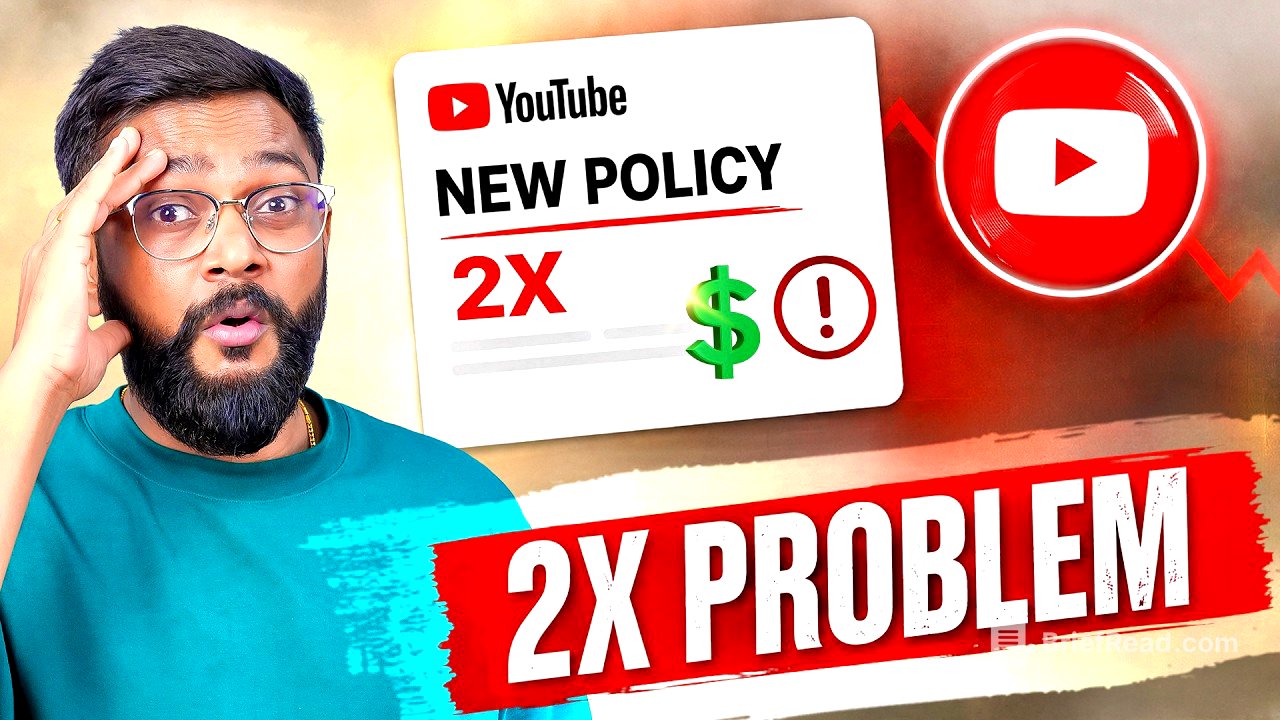
YouTube’s proposed monetisation changes raise the standard for joining the YouTube Partner Programme (YPP), but the higher thresholds should not distract creators from making useful, engaging videos. The key point is that monetisation alone does not guarantee regular income: creators also need enough views to reach AdSense’s minimum payout threshold. Realistic earnings calculations show why consistent publishing, audience retention and evergreen content matter more than worrying about the rules.
- The video outlines the existing and proposed monetisation requirements for long-form videos and Shorts.
- A technology channel’s earnings illustrate how low and variable advertising revenue can be, and why a channel may earn money without receiving a monthly payout.
- Creators are encouraged to focus on improving their content and audience appeal rather than becoming preoccupied with watch-time calculations.
- Product tagging can provide an additional source of commission, although rates vary by product.
YPP Requirements and the Proposed Changes [1:19]
To earn advertising revenue through the YouTube Partner Programme (YPP), creators have traditionally needed 1,000 subscribers and 4,000 public watch hours within the previous 365 days. Watch time is combined across the channel’s videos, rather than needing to come from one video. For Shorts, the existing route is 1,000 subscribers and 10 million views over 90 days.
The video says the requirements are due to rise from 1 February 2027: long-form creators would need 8,000 watch hours, while Shorts creators would need 20 million views in 90 days; the 1,000-subscriber requirement would remain. The presenter recalls that it took ten months to begin earning from his own channel, while other creators may qualify much faster, take years or give up. He stresses that meeting the monetisation threshold is not the same as earning meaningful or regular income.
What Real Channel Earnings Show [3:50]
A technology channel’s figures demonstrate how much earnings can vary by video and month. One 18-minute video with 16,000 views earned about US$6, while other videos earned different amounts, including around US$3 from 25,000 views. The channel’s monthly total was about US$26.58, partly because older videos continued to attract views. Earnings depend on the category, advertising demand, season and the number of ads shown; technology channels may earn more during busy advertising periods such as October.
Videos longer than eight minutes can include mid-roll ads, which appear during the video. The presenter usually uses one mid-roll ad to limit disruption for viewers, even though adding more could increase revenue. These figures show that views do not translate into a fixed amount of money, and a monetised channel may still earn too little to receive a payout.
The Minimum Payout and Monthly Income [6:04]
YouTube does not pay out AdSense earnings until the balance reaches US$100. Earnings below that amount carry over, but creators must wait until the threshold is reached before receiving the money. The presenter notes that a channel earning roughly US$26 a month could take several months to reach the payout minimum, making monetisation alone an unreliable source of monthly income.
He compares this with his own experience: he started his Gyaan Therapy channel in August 2018 and received his first payment in March 2019. By then, his videos were drawing roughly 15,000–20,000 views each, and he was uploading about 15 videos a month. After that first payment, his monthly earnings continued without interruption because his views consistently brought in more than US$100. His experience underlines the difference between being approved for monetisation and earning enough to receive regular payments.
Estimating Views, Revenue and Watch Time [8:40]
The presenter says Indian advertising rates can be low, giving an approximate technology-channel figure of ₹62 per 1,000 views for top channels. Using a simplified example of around ₹62 per 1,000 views, ten videos receiving 15,000 views each would produce roughly ₹9,300 in total—close to US$100 at the exchange rate he cites. This is only an estimate: older videos may continue earning, and rates change with the category, season and advertising demand.
The same upload and view pattern can also generate enough watch time. For example, if a five-minute video is watched for an average of 40% of its length, the average viewing time is two minutes. At 15,000 views per video across ten videos, that would amount to about 300,000 minutes of watch time, exceeding the former 4,000-hour threshold of 240,000 minutes. The proposed 8,000-hour requirement is double that amount, but watch time can still build naturally as creators publish videos that people continue watching.
Focus on Content Rather Than the Thresholds [11:53]
Creators should treat the YPP requirements as a target to work towards, not as a reason to panic. YouTube’s higher standards may filter out people who are not serious, but a channel that attracts enough viewers to meet the requirements is also more likely to generate meaningful earnings. Even after monetisation, creators can become discouraged if they do not receive regular payouts, so attention should remain on the videos and the audience rather than on calculations alone.
The presenter recommends improving the subjects chosen, video titles, descriptions, thumbnails, lighting, audio and editing. Creators should consider what their viewers want, what performs well in their category and what people ask for in comments. Because YouTube creation requires planning and ongoing decisions, working in a subject the creator enjoys can make it easier to continue over the long term.
Shorts, Product Tags and Additional Earnings [13:59]
Shorts can be quicker to make, but their advertising earnings are generally much lower than those from long-form videos. Creators with low AdSense income can also explore YouTube’s product-tagging feature. A creator can tag a product in a video and earn a commission if a viewer buys it through the tag; the buyer does not pay extra because of the creator’s commission.
Commission rates vary by product. Smartphone commissions may be low or unavailable, while some gadgets can offer higher rates. The presenter’s final advice is not to fear the new thresholds: focus on making videos people want to watch, and consider other revenue options alongside advertising income.