TLDR;
The video explores the historical and mythological significance of Oranfe in Yoruba tradition, detailing the origins of the Yoruba people, significant figures, and the eventual spread of their culture and deities. It discusses the narrative of creation, the assignments given to three important figures, and the historical implications of flooding events on the Yoruba civilization.
- Origin of Oranfe and his significance in Yoruba mythology.
- Description of important Yoruba figures and their roles in history.
- Connection between ancient Yoruba beliefs and concepts found in other cultures.
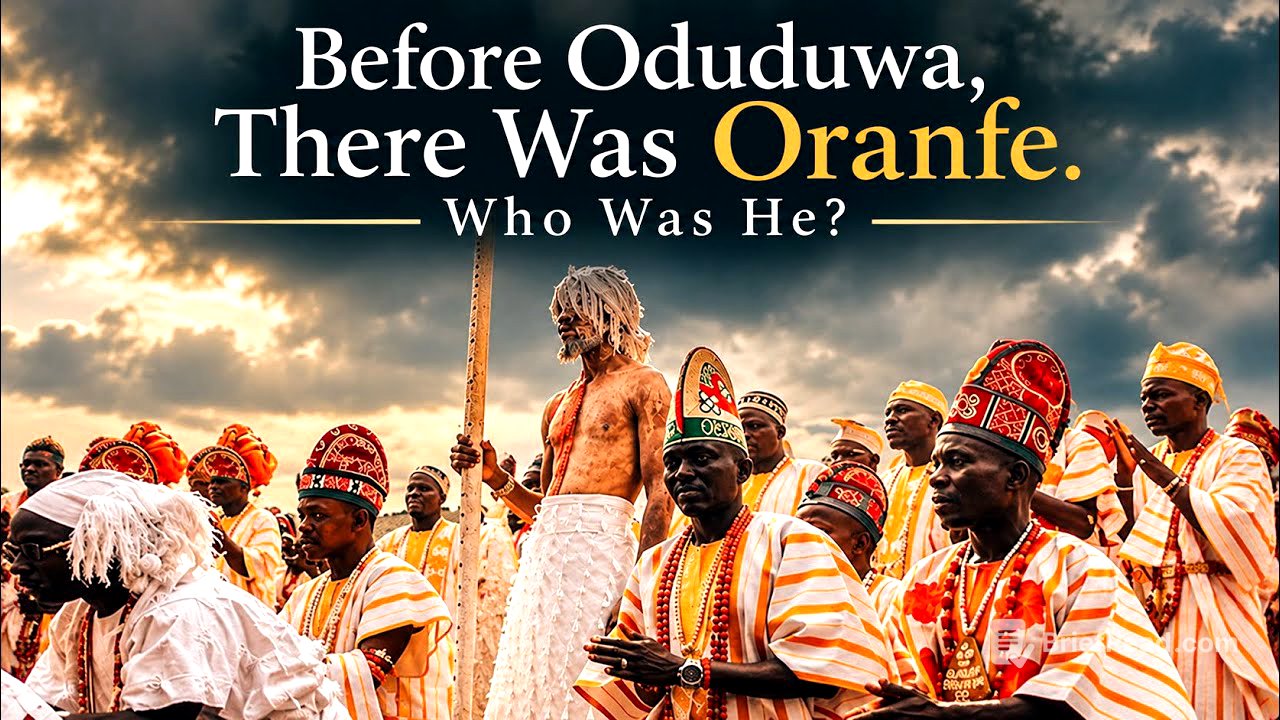
Who was Oranfe? [0:00]
The chapter introduces Oranfe, a figure in Yoruba mythology. It discusses his identity and other beings like El Ludlud who are significant in Yoruba traditions, drawing parallels between Oranfe and biblical figures like Elijah and Jesus Christ. It mentions the anticipation surrounding the return of these beings within the community.
The Historical Context of Ife [0:30]
The video transitions to the history of Ife, asserting its importance in Yoruba culture. Significant names connected to Ife, such as Olurogbo, Moremiu, and Sango, highlight the ancestral and mythological connections within the Yoruba lineage. It explains how these names relate to historical figures who shaped the region.
The 12-Hour Day and Oranfe's Narrative [2:30]
A discussion on the Yoruba concept of time reveals that the day is segmented into 12 hours rather than 24. This is linked to when Oranfe narrated the story of his existence to his children. The narrative also describes a place of enjoyment akin to a paradise, drawing parallels to concepts like the Garden of Eden in the Bible.
The Creation Assignment from Olofin [4:34]
Olofin delegates tasks to his children after explaining the world and its history. He sends three primary elders—Olofi, Aramuko, and a third individual—into the world for various assignments, highlighting the roots of Yoruba civilization and the establishment of Ife as central to Yoruba heritage.
The Group of Elders and the Origins of Ife [5:27]
The chapter highlights the significance of the three elders sent from Ile-Ife who contributed to the formation of communities and lineage within Yoruba culture. The discussion addresses the ancestral ties that span across sub-Saharan Africa, suggesting a shared origin among diverse ethnic groups.
The Legacy and Expansion of Ife [11:10]
Following the arrival of the elders, descendants form various family units leading to the creation of communities that later evolved into structured societies, each governed by its own Oba. The chapter reflects on the historical significance of the term "Oba" and dispels misconceptions regarding its origins, asserting Ife's long-standing cultural heritage.
The Great Flood and Its Impact on Ife [16:41]
The narrative includes a recount of a great flood that destroyed the previous civilization of Ife, drawing parallels with the biblical flood of Noah. It notes how some survivors, including Obatala, played a role in the rebirth of society, leading to the establishment of the first city called Uwara.
Rebuilding and Community Formation [18:40]
Post-flood, survivors formed the city of Uwara, which eventually evolved into Ife. The chapter illustrates how communities were structured, with families leading to the creation of complex governance, establishing the foundation for modern Yoruba leadership and cultural practices.