TLDR;
The video explores how Manchester United's ongoing poor performance has transitioned into a lucrative business, benefiting former players and pundits who critique the team. It highlights the irony that as United continues to underperform, the demand for commentary and analysis about the club flourishes, creating a profitable content ecosystem. The video scrutinises how this dynamic affects the way ex-players address the club's issues and the consequences for current players amidst relentless public critique.
- Manchester United's struggles have generated significant business opportunities for pundits and content creators.
- The former players’ commentary can have adverse effects on the current team, yet they gain financially from the club's misfortunes.
The Business of Bad Performance [0:00]
Manchester United has been struggling for over a decade, leading to a situation where their poor performance has become a business model. The video suggests that every embarrassing defeat creates content that generates views and income for those discussing it, including former players and media figures. The question arises whether anyone truly wants the club to improve when so many are making money off their failures.
The Rise of Content Creators [1:16]
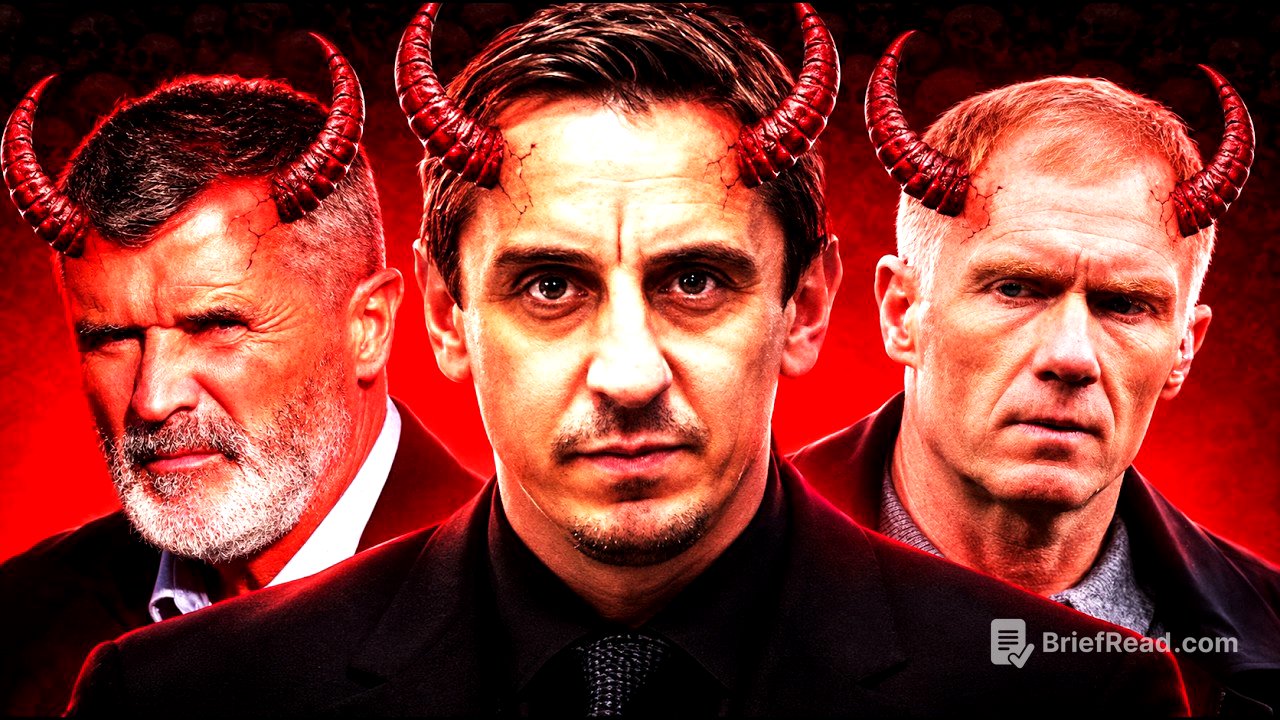
The narrative illustrates how Manchester United has transformed into a content farm, with numerous former players launching their own podcasts and channels. These figures, such as Gary Neville and Roy Keane, inadvertently enhance the legacy of Sir Alex Ferguson by expressing their shock at the current team’s performances compared to their successful era. The former players scrutinise the club constantly, leading to public criticisms that contribute to the growing media industry around Manchester United's decline.
Critical Voices and Their Impact [2:04]
While it's common for ex-players to critique their previous clubs, in the case of Manchester United, it often feels excessive. Figures like Gary Neville frequently express their concerns on national television, questioning the character and effort of current players. This raises doubts about whether the critiques stem from genuine concern or the drive for profit, given the significant financial rewards tied to the club's failings. The profitability of being critical creates a complex relationship between the club's past legends and its current players.
The Arsenal Fan TV Model [2:34]
The video draws a parallel to Arsenal Fan TV, where poor performances led to viral reactions from fans that turned criticism into entertainment. This model is now evident at Manchester United, with figures like Mark Goldbridge thriving by airing grievances against United's management and players. The former players have now entered this space, leveraging their history while generating content that often ridicules the current team, contrasting harshly with previous expectations of club legends.
The Shift in Content Creation [4:16]
Former players like Gary Neville expand into media by creating their own shows and podcasts, profiting from the discourse surrounding Manchester United's failures. The example of Neville acquiring a network of channels shows the increasing convergence of former professionals and content creators. This relationship between criticism and profit suggests that some former players may even welcome the club's struggles, as it bolsters their reputation in the media landscape.
The Critiques Impacting Players [5:54]
Current players are adversely affected by the constant barrage of comments directed at them by former teammates and pundits. Both Ten Hag and Carrick have voiced concerns regarding the detrimental emotional impact of public criticisms on the players’ performances. Carrick insists that their focus should remain on fan support rather than external commentary.
Criticism vs. Constructive Feedback [10:16]
The video highlights the fine line between holding the team accountable for poor performances and the danger of turning criticism into entertainment. While it is valid to critique players and management, there is a risk of perpetuating a negative narrative that can sabotage morale. Commentary needs to distinguish between critique aimed at improvement and commentary that serves only to further damage the club's image.
The Weight of Former Players' Words [12:38]
The influence of figures like Gary Neville and Roy Keane means that their criticisms resonate with audiences significantly, affecting younger players who may have idolised them. This modern media landscape creates an environment where players cannot escape relentless scrutiny, which can compound their struggles on the pitch.
Continued Scrutiny Post-Match [14:30]
After particularly poor performances, pundits like Neville intensify their scrutiny, questioning players' professionalism and commitment. This public shaming can have substantial repercussions for morale, with players feeling the weight of high expectations expressed through influential critiques in real time, underscoring the challenges they face in an already tumultuous environment.
The Cycle of Criticism and Performance [16:00]
The video concludes by reflecting on how Manchester United’s current situation gives rise to a cycle of blame, with former managers and players being replaced in the face of ongoing failure. This cycle creates a unique problem where rising criticism may be rooted less in a desire to see improvement and more in the ongoing cycle of media creation that seeks to exploit the club's troubles.