TLDR;
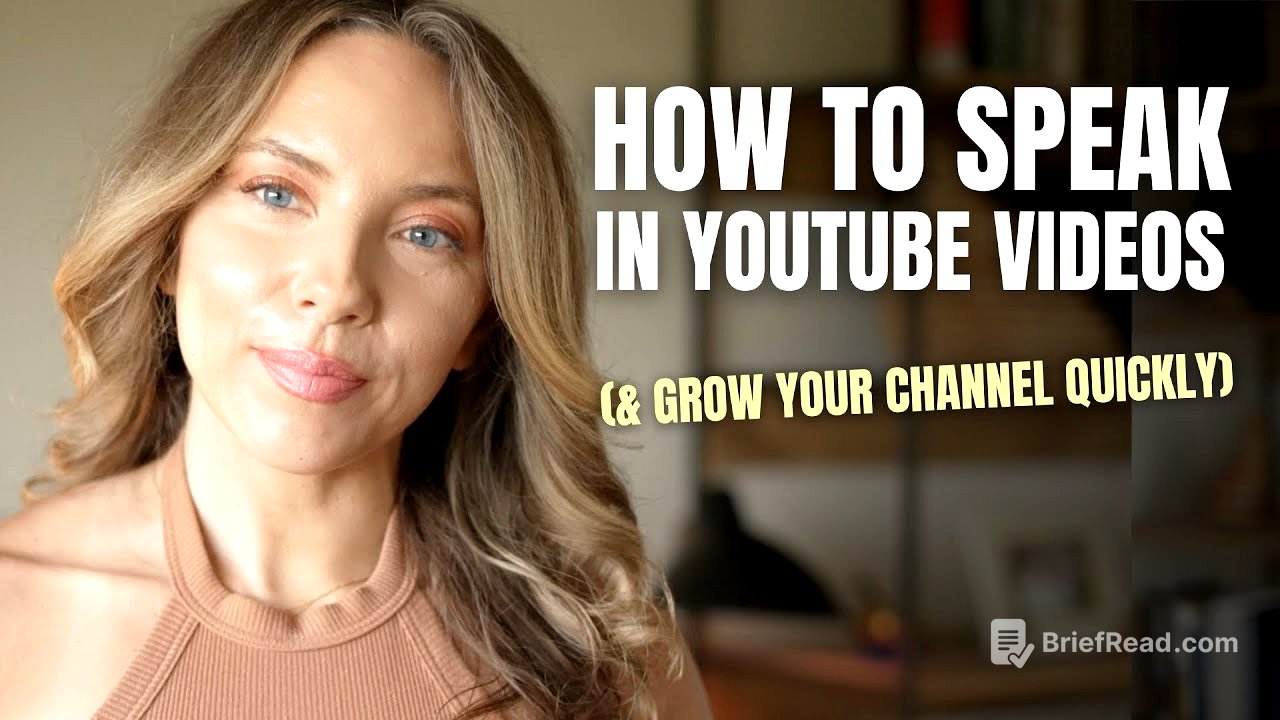
Brenda Turner explains that effective YouTube videos come from connecting with viewers, not chasing views or relying on titles and thumbnails alone. Her four principles are to speak to one person, plan and practise what you want to say, focus your attention on helping the viewer, and let go of worrying about the outcome. She calls this approach “breaking the fifth wall”.
- Treat a video as a direct, human conversation rather than a broadcast to an audience.
- Write a simple outline and rehearse it so the delivery feels natural.
- Put the viewer’s needs ahead of self-consciousness.
- Focus on sharing something helpful instead of controlling views or results.
Why Speaking Through the Camera Matters [0:00]
After 15 years on YouTube, Turner says she has built a strong track record, with nearly 400,000 subscribers despite having only a few hundred videos. She has also seen capable business coaches and entrepreneurs struggle to make their channels work. In her view, a key reason is that their videos do not connect with people.
Chasing a hit video, copying formulas or concentrating mainly on titles and thumbnails misses what viewers value: feeling that the person on screen is speaking to them and cares about them. Turner sees this direct connection as the central skill behind successful YouTube videos that reach people, make an impact and promote products or services without sounding overly sales-focused.
Principle One: Speak to One Person [2:28]
Turner’s first principle is to speak to “the one”, rather than to YouTube, social media or an imagined audience. She describes this in spiritual terms as a connection through shared, non-local consciousness, but the practical point is to make the video feel like a conversation with one person. Speaking to a crowd can make someone adopt a stiff, newsreader-like voice that feels distant and unnatural.
The aim is to connect with the viewer in the same way one would speak to a neighbour, cashier or family member. A useful test is whether the delivery feels natural rather than awkward; getting used to this may take practice. One way to make the camera feel less impersonal is to place a picture of someone you love or a familiar avatar behind it.
Principle Two: Plan and Practise Your Videos [4:58]
Turner recommends writing out a video, or at least noting its key points, then practising the delivery before filming. Improvising can be useful, but she says most of her own videos have a basic structure that she has rehearsed. She has also practised elements such as introductions, taglines and jokes in her cooking videos.
Rehearsal helps the words sound natural because they are not being said for the first time on camera. Turner compares making YouTube videos to a paid public-speaking engagement: speakers plan, practise and recite. She argues that the platform’s potential rewards are substantial, noting that YouTube had more viewers in 2024 than any other platform, including network television and streaming services. With a modest monthly investment in planning, practice and a few filming days, businesses can create videos to attract potential customers and promote their services.
Turner calls her approach “unscripting”: writing a simple outline and practising it rather than memorising a rigid script. She says she rehearses key ideas even while getting ready for filming, such as going over the main points while drying her hair. An unscripting template is available through the link mentioned in the video.
Principle Three: Focus on the Viewer [8:36]
The third principle is to shift attention away from self-criticism and towards the person watching. Worrying about appearance, voice or whether people will like the video can make it difficult to communicate. Instead, remember that viewers may need the information and help you can provide.
Turner contrasts self-consciousness with the engaged attention of someone who listens closely and asks sincere questions, like a good therapist. That kind of attention draws people in. Focusing on who you can help and how you can help them can improve not only camera presence, but also conversations with customers, clients and people in everyday life. She adds that practising this shift can help reduce social anxiety.
Principle Four: Let Go of the Outcome [10:43]
The fourth principle is to stop worrying about the end result. Treat the video as a conversation with one person you care about helping, and leave aside any agenda beyond delivering a useful message. Turner says to move attention fully off yourself and onto the viewer, without fixating on performance or results.
She calls this way of communicating “breaking the fifth wall”. It is a technique from her YouTube Breakthrough Challenge, a five-day programme scheduled for 26–30 May. She invites viewers to join through her website for guidance on starting, planning and producing a YouTube channel.
Turner also points viewers towards a separate video about her “Phone Freedom Protocol”, a technique for locking away a phone for extended periods. She says it gives her more mental space to develop strong video ideas and concepts.