TLDR;
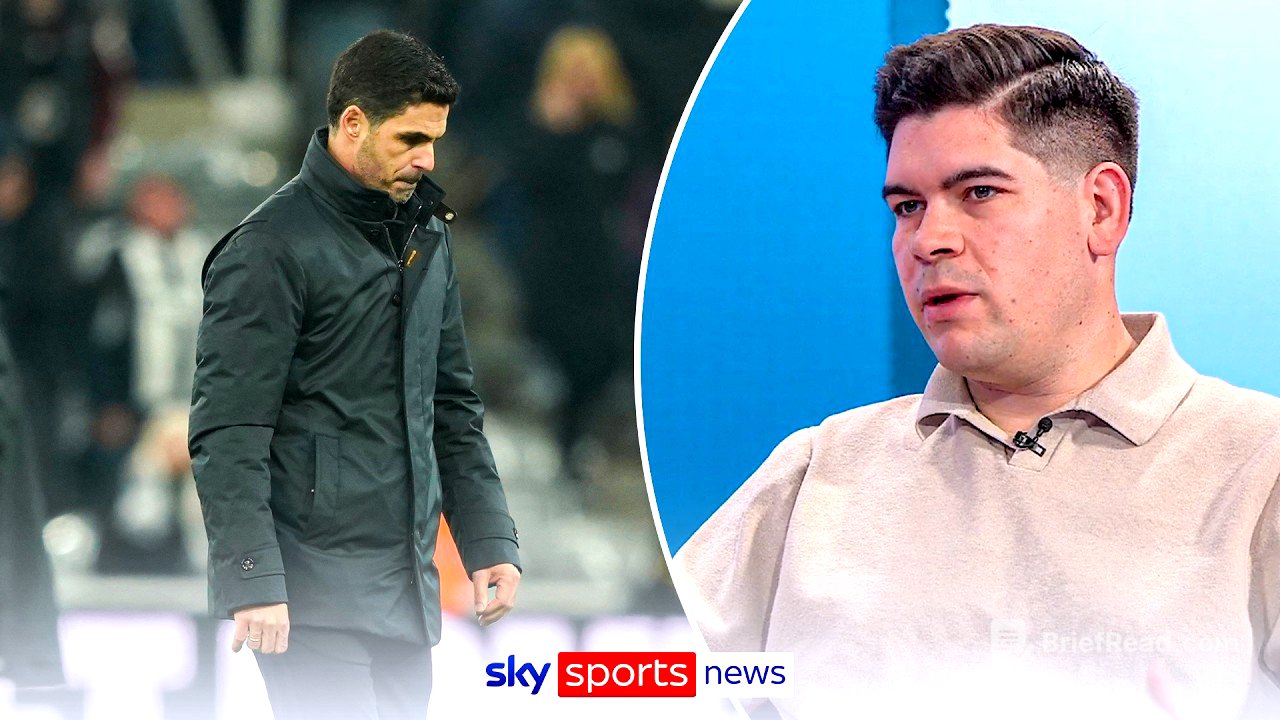
Arsenal’s 2–2 draw at Newcastle ended their four-match Premier League winning run and exposed concerns about their ability to respond when opponents raise the intensity. David Raya’s suspected shoulder injury could also affect Arsenal’s tactics, while Declan Rice’s workload and the absence of Bukayo Saka were discussed. Despite the setback, the panel saw Arsenal as the league’s strongest side and noted their resilience in fighting back for a point.
- Arsenal controlled the first half but struggled after Newcastle increased the pressure.
- The panel questioned whether Arsenal can shift out of a cautious, lower-energy approach once a match changes.
- Raya’s importance to Arsenal’s high defensive line and build-up play makes his injury a significant concern.
- Arsenal remain six points clear of Brighton, with the panel unconvinced that their rivals can sustain a title challenge.
Arsenal’s second-half drop and Raya’s injury [0:00]
Arsenal’s four-match Premier League winning streak ended with a 2–2 draw at Newcastle. They looked in control during the first half, but Newcastle raised their intensity after the break and Arsenal struggled to match it. The panel noted a similar pattern in Arsenal’s Champions League match against Slavia Prague, where they had also been dominant before losing control of the game later on.
David Raya’s suspected shoulder injury was seen as a potentially greater concern than the two dropped points. Raya is central to Arsenal’s system: his positioning, distribution and willingness to defend high up the pitch help shape the team’s tactics. Backup goalkeeper Kepa Arrizabalaga was described as a capable shot-stopper, but not at Raya’s level in those areas, so Arsenal would need to adapt if Raya were unavailable for a significant period.
Game management, fatigue and Arsenal’s response [2:01]
Some match reports described Arsenal as complacent or arrogant after they lost control of their lead. The panel pushed back against that interpretation, suggesting Arsenal had tried to conserve energy and manage the game rather than assume the result was secure. Martin Ødegaard’s unusual misplaced pass helped Newcastle equalise, turning the match into a more difficult contest.
Declan Rice’s fatigue was another concern. He appeared leggy late in the match, and the panel noted that coaches can be reluctant to substitute him because he is so important to Arsenal and England. They questioned whether Arsenal have enough attacking impact from the bench to change a match when momentum shifts. Bukayo Saka’s absence was also significant, while Noni Madueke impressed and scored after taking on more responsibility.
Newcastle’s second-half changes and the title picture [5:20]
Newcastle looked transformed after the break, with their substitutions helping bring greater aggression and energy. The panel debated whether this was a tactical masterstroke or a response to a poor first-half setup, but agreed that Newcastle’s improved intensity changed the match. Arsenal’s response to that shift remained a concern: once they settle into a controlled, lower gear, they can struggle to raise their tempo again.
Nevertheless, Arsenal showed resilience by fighting back to equalise, and the panel regarded a point away at Newcastle as a result they could accept after such a difficult second half. They also considered the wider title race: Arsenal were six points clear of Brighton, and the panel felt no rival was applying sustained pressure. Arsenal were not viewed as perfect, but their defensive quality and overall strength made them the Premier League’s leading side.
Raya’s injury could test that strength, particularly because Arsenal’s high defensive line depends on his positioning and ability to cover space behind the defence. William Saliba was returning, while Saka was expected to need about another month before being available. These returning players could help, but Raya’s absence would still require a meaningful tactical adjustment.