TLDR;
In this lecture, the discussion focuses on pulses, their structure, nutritional value, culinary uses, and health benefits.
- Pulses are essential for vegetarians as they provide a significant source of protein.
- The lecture highlights the importance of germination, cooking methods, and the health benefits of including pulses in both vegetarian and general diets.
Introduction to Pulses [0:14]
The speaker introduces the topic of pulses, explaining their origins and classification. Pulses refer to the edible seeds from leguminous plants, which come in various shapes, sizes, and colours. Key varieties mentioned include tur dal, urid dal, chickpeas, rajma, and soybean. The major pulses significant in the Indian diet include red gram dal, Bengal gram dal, black gram dal, and green gram dal.
Nutritional Value of Pulses [2:52]
Pulses have a caloric value of around 340 kilocalories per 100g, with starch content comprising 55-60%. In vegetarian diets, they serve as a primary protein source, providing 20-25% of protein, which is double that of cereals. However, the protein quality is generally inferior due to deficiencies in certain amino acids. Pulses contain minimal fats (around 1.5%) and are a good source of micronutrients like calcium, magnesium, zinc, iron, potassium, and phosphorus. They are rich in B vitamins, particularly thiamine (B1), folic acid, and pantothenic acid, but lack vitamins A and C unless germinated.
Germination Process [6:11]
The speaker explains how pulses can be germinated to enhance their nutritional value. Germination can improve the content of vitamin C and release bound minerals like calcium, zinc, and iron. The sprouting process makes pulses healthier and reduces cooking time, resulting in better taste and texture while adding variety to the diet.
Toxic Constituents in Pulses [8:44]
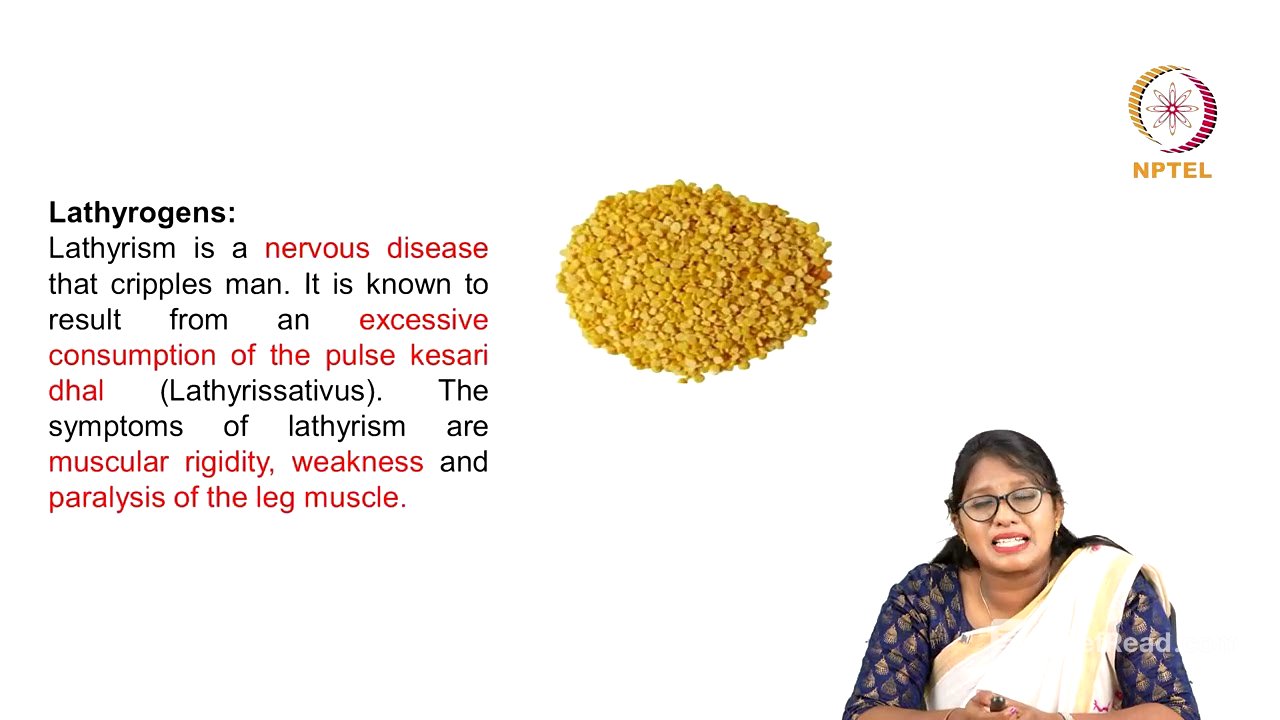
Certain pulses contain toxic compounds that can be harmful in excessive amounts. Examples include trypsin inhibitors, which impair protein digestion; lectins, leading to muscle rigidity if excessive amounts of certain pulses are consumed; and hemagglutinins, which can hinder food intake. Saponins, present in soybeans, can induce nausea, while goitrogens affect thyroid function. Tannins may reduce nutrient absorption. Soaking pulses prior to cooking can significantly reduce these toxins.
Forms of Pulses [13:23]
Pulses are available in various forms in the market, including whole grains, split legumes, germinated or fermented pulses, flour, and parched pulses. The use of these different forms is common in Indian households.
Structure of Pulses [14:18]
Pulses have a three-part structure: the seed coat (testa), cotyledons (seed leaves), and hypocotyl. The seed coat protects the seed but can lead to breakage during processing. The components of the seed, including the hilum and micropyle, play roles in water absorption.
Composition of Pulses [17:02]
Pulses consist of carbohydrates (mainly starch), proteins, fats, minerals, and vitamins. Their specific composition may vary based on type and processing. Common processing methods include soaking, germination, milling, and air classification to enhance digestibility and nutritional accessibility.
Culinary Uses of Pulses [19:00]
Pulses enhance the nutritional quality of cereal proteins. Their high protein and fibre content contribute to satiety, preventing overeating. Pulses are essential in traditional dishes like dal, sambar, and rasam, improving taste and consistency. They are also used in snacks, salads, desserts, and baking.
Health Benefits of Pulses [26:47]
Pulses offer numerous health benefits, including heart health, diabetes management, support for muscle mass development, and high folate content. They are high in fibre and potassium, aiding in blood pressure regulation and overall health. Regular consumption of pulses can help in weight management and maintaining protein intake for vegetarians, making them an inexpensive and nutritious food option.