TLDR;
This video discusses the relationship between sports and nutrition, emphasizing their complementary roles in overall health and athletic performance.
- Adequate nutrition is crucial for energy, muscle building, and maintaining fitness.
- The importance of macronutrients (carbohydrates, fats, proteins) and micronutrients (vitamins, minerals) in supporting physical activity is highlighted.
- The video also covers exercise routines, hydration, and the significance of muscle recovery and mental well-being.
The Interplay Between Sports and Nutrition [0:01]
The video opens by stating that sports and nutrition complement each other significantly; one affects the other. It elaborates on the body's demand for specific nutrients and how they provide energy. Carbohydrates, fats, and proteins are essential for bodily functions during movement, and vitamins and minerals play critical roles in utilising this energy and building muscles.
Importance of Nutrition for Different Fitness Levels [0:24]
The chapter discusses how fitness levels differ among competitive athletes who aim to improve health and performance through appropriate nutrition and hydration. Beginners in exercise need to understand that physical improvement is gradual, and regular activity can help prevent various diseases. Conversely, a sedentary lifestyle can decrease fitness levels and increase the risk of chronic diseases.
Health Benefits of Physical Activity [1:00]
Engaging in sports can improve sleep quality and overall health, aiding body composition by reducing body fat, especially around the abdomen, while increasing muscle mass. It also enhances bone density, boosts the immune system, and lowers cancer risks, such as colorectal and breast cancer, and cardiovascular diseases by regulating blood pressure and cholesterol levels.
Daily Activity Recommendations [1:51]
To become more active, individuals are encouraged to adopt a lively lifestyle. This includes participating in moderate to vigorous activities for at least five days a week, aiming for a minimum of 150 minutes of aerobic exercise weekly. Suggested activities include brisk walking, cycling, or jumping rope, alongside strength training exercises at least twice a week.
Foundations of Physical Fitness [2:20]
This segment outlines the essentials of physical fitness, which encompasses flexibility, muscle strength, and cardiovascular endurance. Regular cardiovascular training for at least 30 minutes daily is recommended, along with eight to ten strength training sessions weekly to meet the body’s exercise demands.
Utilisation of Nutrients During Exercise [2:50]
The chapter explains how the body uses glucose and glycogen stores to maintain stable blood sugar levels during exercise. Athletes should fuel their workouts with high-carbohydrate meals to enhance performance and recover effectively, specifically consuming carbohydrates shortly after exercising to replenish glycogen stores.
Role of Dietary Fats and Carbohydrates [3:46]
It discusses the significance of dietary fats and their recommended intake of 20-35% of total calories. Athletes, like everyone else, should incorporate healthy fats from plant oils, nuts, and fatty fish into their diet while avoiding high-fat, low-carb diets which can diminish performance.
Importance of Protein for Muscle Development [4:45]
Adequate protein intake is vital for building and maintaining muscle tissue. The video advises weight trainers to include protein-rich foods, such as meat and dairy, to support muscle recovery post-exercise, suggesting that just a small serving of protein after a workout can enhance muscle growth.
Vitamins and Minerals in Sports Nutrition [5:24]
The chapter highlights the critical role of vitamins and minerals in energy production and muscle function. It emphasises that those who consume a balanced diet rich in whole foods can typically meet their nutritional needs without relying on supplements.
Hydration and Electrolyte Balance [6:03]
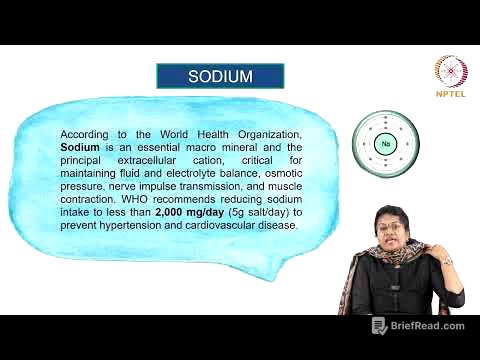
Finally, proper hydration during exercise is essential for replacing lost fluids and maintaining performance. It highlights that thirst is often a late indicator of dehydration, and individuals should focus on drinking water regularly during workouts as it helps manage body temperature and restore electrolytes lost through sweat.