TLDR;
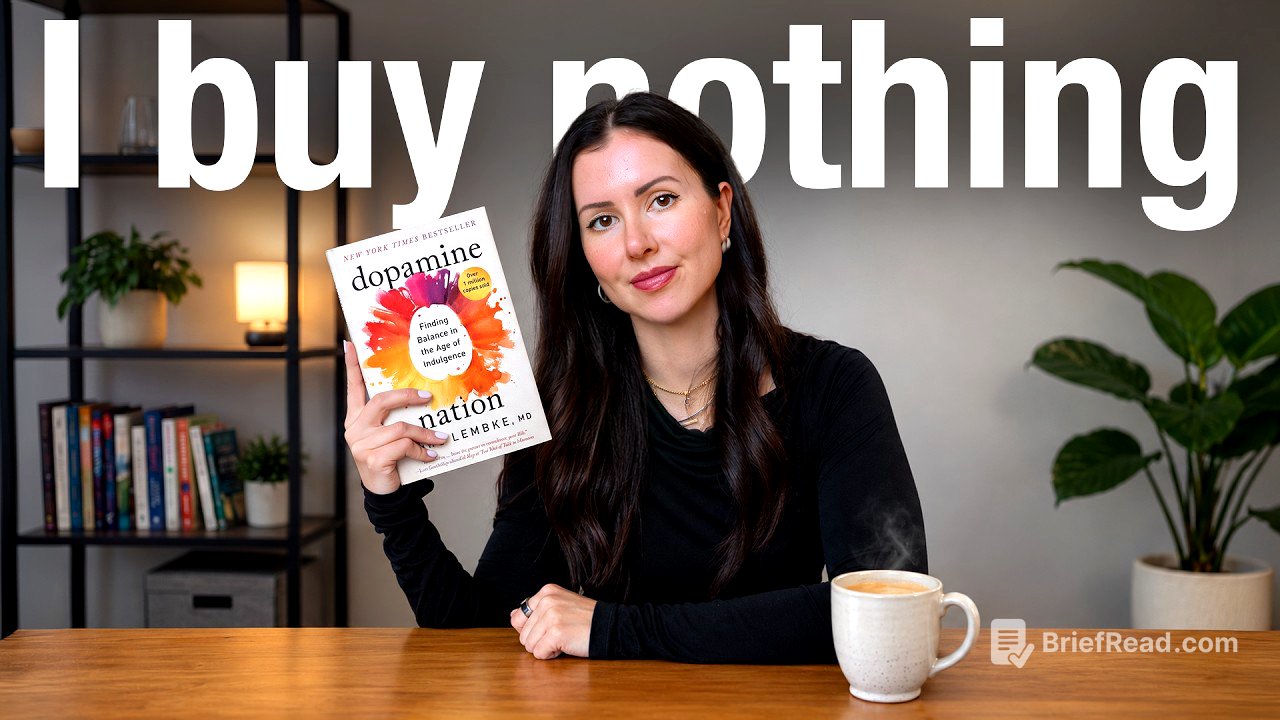
After paying off more than $85,000 in student loan debt, Christina Mychas explains how Dopamine Nation helped her understand and change her compulsive shopping. The book’s lessons connect overspending to the brain’s pleasure–pain balance and to an environment full of prompts to consume. She shares practical ways to interrupt the cycle: take a short break from the behaviour, create boundaries around it, and practise effortful activities that bring more lasting satisfaction.
- Shopping can briefly relieve stress but may worsen the discomfort that drives further spending.
- A dopamine “detox” means abstaining from a behaviour for a set period, not removing dopamine from the body.
- Self-binding strategies make impulsive actions harder and encourage more deliberate choices.
- Facing manageable challenges can build resilience and provide longer-lasting rewards.
How Shopping Became a Cycle of Stress and Relief [0:00]
Christina describes how she continued shopping despite having more than $85,000 in student loan debt, assuming that the problem was poor discipline and that a stricter budget would solve it. Reading Dopamine Nation helped her understand why she felt compelled to buy things she did not need. She eventually paid off her debt, remains debt-free, and has worked to build a healthier relationship with money and consumption.
The book’s central idea is that pleasure and pain are linked: repeated pleasure-seeking can lead to discomfort afterwards. Christina was anxious about debt and her finances, but used shopping to soothe that anxiety. The purchases brought a brief lift in mood, then added to her financial stress, creating a cycle in which shopping both relieved and intensified the problem.
Dopamine, the Pleasure–Pain Balance and Overconsumption [1:49]
Dopamine is a neurotransmitter involved in motivation, reward, mood and movement. In this context, it helps drive us towards things we want. Christina illustrates the brain’s dopamine balance as a seesaw: an enjoyable stimulus, such as a popular social media post or a sale notification, tips it towards pleasure. The body then works to restore balance, but the resulting “pain” response can linger and push dopamine levels below their starting point.
That dip can create a desire for another quick reward: another video, another episode or another item added to the basket. With pleasurable stimuli constantly available, repeated spikes can make a person rely on them just to feel normal. Christina says shopping had become her way of responding to discomfort, sadness and stress, but repeated purchases eventually left her with more anxiety to escape.
How a Consumer Environment Fuels the Urge to Spend [4:04]
Christina acknowledges that she was responsible for her spending decisions, but says the book helped her see how difficult it was to change while surrounded by triggers. Phones, television, adverts and retailer messages continually encourage people to buy, eat and indulge. Human reward systems evolved in conditions of scarcity, when gathering and storing resources helped survival, while modern life offers abundant and highly stimulating options.
These options include sugar, gambling, video games, social media, television and shopping. Christina had considered whether her spending came from being bullied, lacking confidence or growing up hearing that the family could not afford things. She believes those experiences may have contributed, but the constant exposure to products promising happiness, status and confidence was another important influence. Understanding personal history can help, she says, but it is also necessary to recognise how the surrounding environment keeps prompting consumption.
A Four-Week Break from Compulsive Behaviours [6:49]
Christina’s next lesson is to take a break from the behaviour. She connects this to a “dopamine detox”, while clarifying that it does not mean removing dopamine from the body. Instead, the book recommends abstaining from a problematic behaviour for at least 28 days, giving the brain and body time to regain balance.
Christina’s own no-buy period helped her begin addressing her shopping and debt. She stopped buying clothes, make-up and skincare, avoided takeaways, and cut back on spending more generally. She says the first two weeks can feel like withdrawal: a person may be irritable, preoccupied with the behaviour and full of reasons to indulge. In the following weeks, people may begin to feel calmer, happier and clearer-headed; Christina also noticed that she had more money in her bank account.
She cautions that abruptly stopping some substances can be dangerous and may require medical supervision. For habits such as shopping, overspending, sugar, food delivery, video games or streaming, she suggests trying a four-week break if overindulgence is a concern. Although her first no-buy lasted six or seven months before she slipped, she says a shorter break may be enough to interrupt a pattern, even though longer no-buy periods can have other benefits, including saving money and reducing environmental impact.
Self-Binding: Set Boundaries Before Temptation Strikes [9:50]
A break from a behaviour does not necessarily mean giving it up forever. Christina says people may return to their preferred source of reward, but can learn to engage with it differently. The book calls this approach “self-binding”: setting limits that separate a trigger from the action it might prompt. Christina uses three types: physical, time-bound and categorical.
Physical self-binding adds practical barriers. Examples include deleting shopping apps, removing saved card details and Apple Pay, unfollowing accounts that encourage spending, and unsubscribing from retailer emails. Time-bound self-binding sets rules about when a purchase can happen. Christina puts items on a wish list and waits between 24 and 72 hours—or sometimes a month—before deciding. She also avoids shopping in the morning, when she has noticed her urge to browse is strongest, and may tie a purchase to a milestone such as finishing an assignment or a half-marathon.
Categorical self-binding defines the circumstances or product categories in which shopping is allowed. Christina avoids shopping when stressed or bored and, for make-up and skincare, buys replacements rather than duplicates. She finds waiting especially useful because it builds delayed gratification: instead of saying “no” outright, she can say “not now”. These boundaries make it harder for future impulses to turn into excessive behaviour.
Why Effort and Discomfort Can Bring Lasting Pleasure [12:51]
Christina’s final lesson is that pain can lead to pleasure: the effort involved in doing something difficult can make its reward more satisfying. This helps explain the runner’s high after a marathon or the relief and pride that follow public speaking. It can also mean putting down a phone, shopping one’s own wardrobe and resisting an immediate impulse purchase.
Activities that require effort can create a lasting sense of accomplishment, while quick, highly stimulating rewards may feel good briefly and leave a longer period of dissatisfaction. Examples include going to the gym, cooking a healthy meal instead of ordering delivery, or styling an outfit from clothes already owned rather than buying items promoted by an influencer.
Because people naturally tend to avoid discomfort, these choices can be difficult at first. Christina says that practising manageable challenges teaches the body and mind that hard things are possible, making a person less reliant on quick rewards for short-term relief. She closes by encouraging viewers to build this resilience alongside healthier money habits.