TLDR;
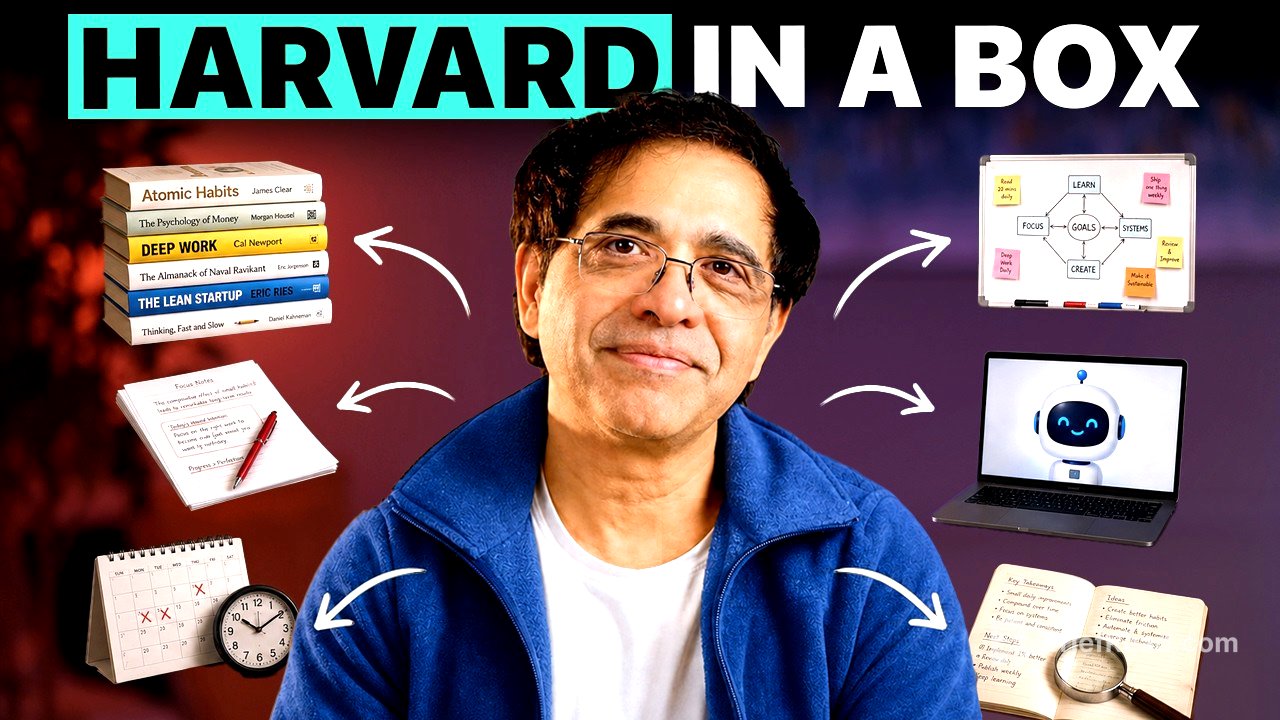
This video focuses on the potential of using AI as an educational tool for self-directed learning. It outlines a system coined "university in a box," which equips individuals to tailor their own educational journey by utilising AI for various roles in their learning process.
- AI can offer free education resources.
- A structured approach using AI can help create personalised curriculums.
- Five key roles of AI in education include acting as an advisor, librarian, tutor, editor, and roommate.
The Power of AI in Self-Education [0:00]
The speaker asserts that individuals can now teach themselves anything for free, thanks to AI, effectively creating a personalised learning system. He shares personal experiences suggesting that true intelligence stems from relentless curiosity and self-driven learning. The speaker introduces the idea of a "university in a box", aimed at helping users develop their own curricula.
AI Usage Trends Among Students [0:55]
In a discussion with interns at a media company, the speaker discovers that very few use AI daily compared to their extensive time on social media. This highlights a concerning trend of underutilising beneficial technologies. He point out that prestigious universities are offering many courses online for free, yet 88% of enrolments do not lead to completion.
Five Radical Roles of AI [2:25]
The speaker details five roles AI can take in the learning process, summarised by the acronym "ALTER", each role intended to enhance the approach to learning. The first role is that of an advisor, which he explains by relating a historical anecdote about The Beatles and the importance of having a great mentor to guide one's learning path.
Becoming Your Own Educational Advisor [3:46]
He advises how to effectively use AI as an academic advisor by defining learning destinations, establishing a baseline understanding, sequencing the learning process, identifying distractions, and setting milestones. The speaker illustrates with an example of creating a tailored six-week course on business finance through a structured set of questions aimed at deriving personal educational paths.
Integrating Automation Tools [6:41]
To implement the learning plan concretely, the speaker suggests using automation tools like Zapier to connect AI learning plans with existing applications like Google Docs and Calendar. This integration allows for seamless scheduling and reminders, thus enhancing the effectiveness of the self-study regime.
The Role of an AI Librarian [7:29]
The importance of having a credible AI librarian is outlined, emphasising the need for discerning quality information sources from the vast array available online. The speaker stresses that AI can help triage sources to focus on credible and relevant material while eliminating distractions, which is crucial for maintaining effective study habits.
Utilising AI for Active Learning [10:59]
By using tools like Notebook LM, the speaker demonstrates how to consolidate and convert study material into various formats, enabling learners to absorb information actively and engage with it in novel ways. He illustrates this using a popular book on money habits, showing how AI can generate tailored content for different learning styles.
The Tutor's Role in Understanding [14:00]
The speaker explains the difference between a teacher and a tutor, emphasising that tutors diagnose personal confusions through questions. AI can act as an effective tutor, providing personalised guidance and challenging learners' understanding while addressing their specific knowledge gaps.
Importance of an AI Editor [17:34]
The editor role is vital for delivering polished work. AI can help refine thoughts, improve structure and clarify language, similar to how a team supports a Formula 1 driver to enhance performance through real-time feedback. The speaker advocates using AI for reviewing important documents to sharpen communication and argument strength.
AI as Your Intellectual Roommate [18:43]
Lastly, the speaker discusses AI's role as an intellectual roommate, suggesting that it can offer diverse perspectives and questions outside of one's field to enhance critical thinking. The video concludes by summarising the "ALTER" framework, positioning it as an easily accessible tool for anyone embarking on self-directed learning.