TLDR;
This video discusses the challenges facing the education sector in Belgium as the school year begins. Key points include the introduction of new minimum goals, the stress placed on teachers, and concerns about student mental health. Additionally, there is focus on the effectiveness of proposed educational reforms and the pressing issue of teacher shortages.
- The new school year marks significant changes and greater expectations for students and teachers.
- Teachers express concerns over increased workloads and stress, leading to questions about educational reforms and support.
- Mental health remains a key concern among students due to academic pressure and class sizes.
The Start of the School Year [0:00]
The video opens on September 1, the significant beginning of the school year, and features a discussion involving educators and the minister of education. The atmosphere reflects mixed feelings among parents and children as they transition into the new year. While some children seem happy, others face emotional challenges. The minister highlights the upcoming difficult year filled with new reforms and increased standards for education.
Educational Reforms and Challenges [0:45]
The conversation shifts towards the introduction of a new curriculum sparked by changes that involve higher performance expectations for students in areas such as writing, math, and reading. Teachers express that the shift to minimum goals places overwhelming demands on them. They emphasize the challenge of implementing these changes amidst a tight schedule, especially as many educational materials and guides remain incomplete. Teachers are concerned about balancing these new requirements with their existing duties.
Teacher's Perspective: Overwork and Expectations [1:55]
Laura, a teacher, shares her perspective on the overwhelming expectations from new minimum learning objectives, expressing difficulty in executing these within the limited timeframe. She conveys a desire to focus primarily on teaching without being burdened by excessive administrative duties. Laura urges the minister to listen to the alarms raised by educators regarding the feasibility of these new goals and the implications they carry.
Minister's Response and Implementation Plans [3:00]
The minister acknowledges the criticisms and emphasizes the need for reform. She insists that the changes are essential to prevent students from falling behind in critical skills like reading comprehension and arithmetic, citing Belgium's low performance in these areas. Plans for a phased five-year implementation of the new curriculum are presented to allow schools to adapt more gradually, although potential obstacles remain in practice.
Concerns about Language Classes [4:00]
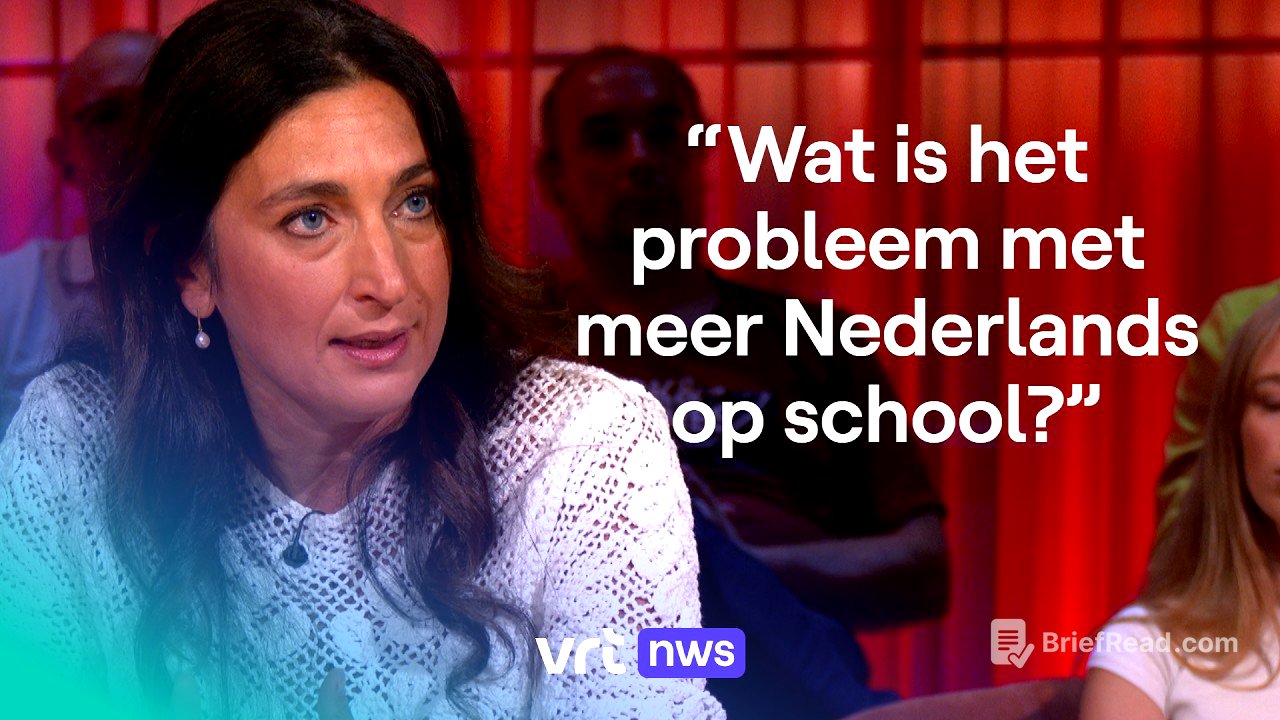
Discussions also address the controversial language classes aimed at helping non-Dutch speaking students. Critics argue that segregating these students into isolated classes could lower expectations and hinder their language development. They advocate for inclusive teaching practices instead of separating language learners from their peers, highlighting concerns about the effectiveness of the proposed approach in practice.
Challenges of Teacher Shortage [4:46]
The teacher shortage issue is significantly highlighted throughout the conversation. It is noted that although statistics suggest a slight improvement in teacher numbers, many classrooms still lack fully qualified educators. The discussion stresses the need for better recruitment and retention strategies along with the importance of adequately qualifying teachers to support student success.
Mental Health and Student Wellbeing [6:20]
A representative from the student body voices major concerns regarding mental health and the pressure students face. With increased workloads reported, significant discussions revolve around the connection between academic stress and student wellbeing. The representative suggests that more attention to mental health could alleviate some of the pressure stemming from high academic expectations.
Future Plans and Support Systems [7:30]
The minister outlines some future initiatives aimed at improving educational conditions, focusing on fostering better relationships between educational institutions and external support services. The hope is that with collaborative efforts and clearer support structures, educators can focus more on teaching rather than additional administrative tasks.
Teacher's Workload and Educational Policy [8:50]
The video wraps up with a consensus that ongoing discussions regarding educational policy must prioritize teacher workload and practical challenges educators face. Ministers and panelists agree that without implementing feasible changes that genuinely support teachers, reforms will struggle to make a meaningful impact on education quality and student outcomes.
Final Thoughts on Educational Reforms [10:20]
In closing, the importance of educator perspectives in shaping educational reforms is restated. Panelists emphasize that successful educational policy must consider the realities teachers face, ensuring that any proposed changes are realistic and well-supported. This balance is crucial for improving the overall quality of educational experiences for both teachers and students in the system.






![What if Kira Didn't Get the Strike Gundam, But One of the Others? [Question of the Week]](https://wm-img.halpindev.com/p-briefread_c-10_b-10/urlb/aHR0cDovL2ltZy55b3V0dWJlLmNvbS92aS9nZzE0eGQ5WWxBcy9ocWRlZmF1bHQuanBn.jpg)