TLDR;
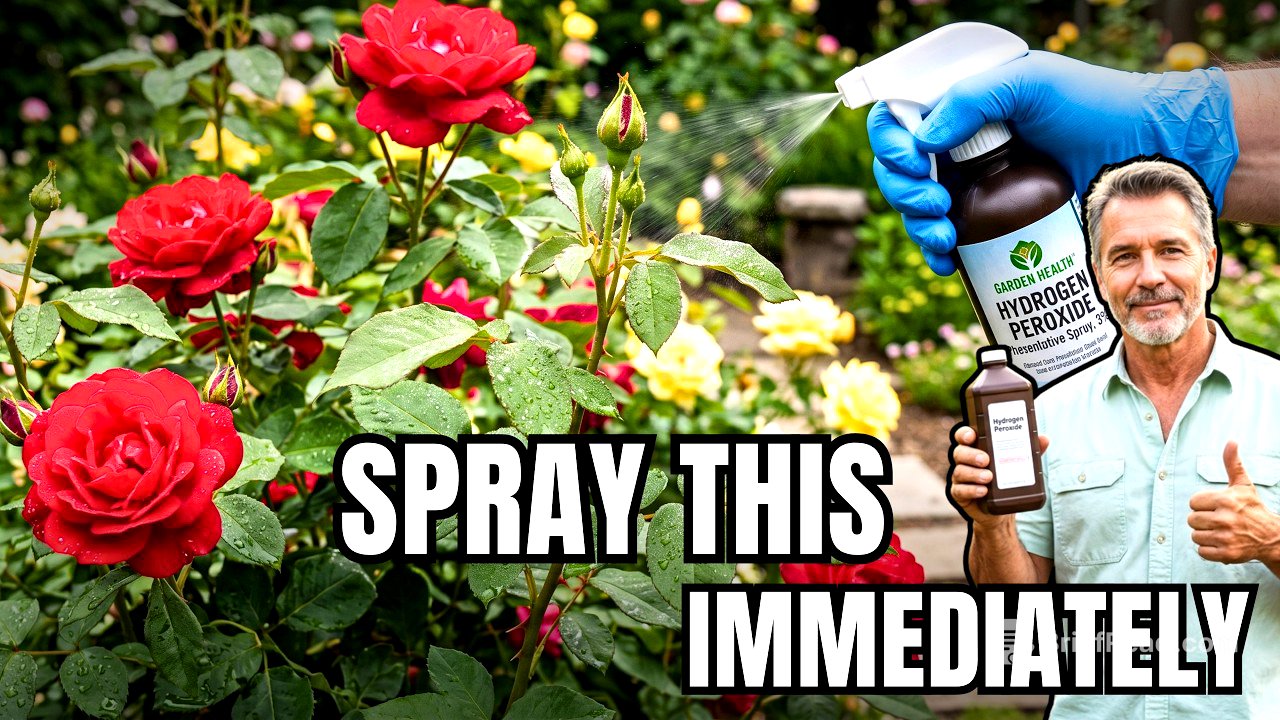
This video explains how hydrogen peroxide, a common household item, can be a powerful and inexpensive tool for gardeners. It details nine different uses of hydrogen peroxide in the garden, including treating root rot, eliminating fungal and bacterial infections, repelling pests, boosting soil oxygen, sanitizing seeds, disinfecting tools, sterilizing growing mediums, enhancing hydroponic systems, and preventing infection on damaged trees. The video emphasizes the importance of using the correct concentration of hydrogen peroxide and provides specific instructions for each application.
- Hydrogen peroxide is a cost-effective alternative to expensive gardening chemicals.
- It can be used to treat and prevent a variety of plant diseases and pest infestations.
- It breaks down into water and oxygen, leaving no harmful residue in the soil.
Introduction [0:00]
The host introduces the idea that a simple bottle of hydrogen peroxide from the drugstore is a powerful gardening tool that is often overlooked due to the financial incentives of the fungicide and pesticide industries. He shares his 25 years of experience, noting that many gardeners waste money on ineffective treatments while a simple solution exists. He promises to explain what hydrogen peroxide is and how to use it effectively, including a demonstration on rescuing a plant with root rot.
What is Hydrogen Peroxide? [1:46]
Hydrogen peroxide (H2O2) is water with an extra oxygen atom. When it comes into contact with organic material like fungi, pests, or harmful bacteria, it releases the extra oxygen atom, oxidizing and destroying the cellular integrity of these pathogens on contact. After this reaction, it breaks down entirely into water and oxygen, leaving no residue or toxic runoff. This clean breakdown is what makes it a superior alternative to chemical treatments.
Treating and Preventing Root Rot [3:01]
Root rot is caused by anaerobic conditions in the soil, where overwatering, poor drainage, or compacted soil leads to a lack of oxygen, allowing harmful fungi like phytotherra, pytheium, and fuserium to thrive. These fungi attack the roots, preventing them from absorbing water and nutrients, causing the plant to wilt even in wet soil. A diluted hydrogen peroxide solution can combat root rot by destroying anaerobic pathogens on contact and re-aerating the soil, providing the necessary oxygen for root recovery. Visible improvements can often be seen within days. For routine root health, mix four tablespoons of 3% hydrogen peroxide per liter of water and apply when the topsoil is slightly dry, allowing the soil to dry out completely before the next watering.
Eliminating Fungal and Bacterial Infections [5:53]
Hydrogen peroxide is a potent contact treatment for fungal and bacterial diseases like powdery mildew, rust, early blight, and late blight. The oxidizing action of hydrogen peroxide ruptures the cell walls of these living pathogens upon contact, destroying them without leaving harmful chemical residues. Thorough coverage is essential, as hydrogen peroxide only affects what it directly touches. For disease prevention, mix half a cup of 3% hydrogen peroxide into one gallon of water. For active infections, use 8 to 12 tablespoons of 3% hydrogen peroxide per gallon of water, spraying the affected plant for three consecutive days, followed by a preventative spray like baking soda solution, diluted neem oil, or a sulfur-based spray to prevent recurrence.
Repelling and Killing Garden Pests [8:34]
Hydrogen peroxide is effective in repelling and killing various garden pests. For fungus gnats, whose larvae live in the soil and feed on plant roots, a soil drench of one part 3% hydrogen peroxide to four parts water eliminates the larvae by disrupting their life cycle. This should be applied every 5 to 7 days for 2 to 3 weeks until no more adults emerge, after letting the top inch of soil dry out first. For aphids and other soft-bodied sap-sucking insects, a diluted foliar spray of half a cup of 3% hydrogen peroxide per gallon of water creates a hostile environment, as even low concentrations are caustic to their exoskeletons upon direct contact. While not as immediately lethal as insecticidal soap, regular preventative applications disrupt the conditions that attract these pests.
Boosting Soil Oxygen and Enhancing Root Growth [12:02]
Hydrogen peroxide boosts soil oxygen and enhances root growth by replicating the beneficial effects of rainwater, which contains dissolved oxygen and trace amounts of hydrogen peroxide due to lightning activity. Adding hydrogen peroxide to your watering routine, even at low concentrations like 4 tablespoons per liter, stimulates root growth. The oxygen-rich environment makes roots more active and efficient at absorbing nutrients, which is especially beneficial for plants in containers or raised beds with compacted soil. This can help plants that have plateaued, growing but not thriving, due to low oxygen levels in the soil.
Sanitizing Seeds and Speeding Up Germination [13:52]
Hydrogen peroxide can sanitize seeds and speed up germination. Soaking seeds in a diluted hydrogen peroxide solution before planting sterilizes the seed surface, killing bacteria and mold spores without harming the embryo inside. Additionally, the peroxide solution helps soften the seed coat, accelerating the germination process by allowing the embryo to access moisture more quickly. For the soak, use 1 to 1 1/2 teaspoons of 3% hydrogen peroxide per cup of water, soaking for no more than 30 minutes and planting immediately after.
Disinfecting Tools, Pots, and Greenhouses [15:56]
Hydrogen peroxide is an effective and non-toxic sanitizer for garden equipment. It kills bacteria, viruses, mold spores, and fungal pathogens on contact, making it ideal for disinfecting tools, pots, and greenhouses. For pruning shears and cutting tools, wipe the blade with undiluted 3% hydrogen peroxide between cuts when working with diseased plants. For pots and containers, fill or spray them with a solution of one part 3% peroxide to one part water, let it sit for 10 minutes, and then rinse. For greenhouse surfaces, use a stronger solution applied with a pump sprayer and wipe down to disinfect the environment before the growing season. Unlike bleach, hydrogen peroxide leaves no harmful residue and does not corrode metal tools.
Sterilizing Growing Mediums [17:41]
Hydrogen peroxide can sterilize growing mediums, making it safe to reuse old potting soil. Old potting soil can carry dormant fungal spores, insect eggs, harmful nematodes, and bacterial colonies. A single hydrogen peroxide drench before replanting will destroy these pathogens. Mix one cup of 3% hydrogen peroxide per gallon of water and drench the growing medium thoroughly, ensuring the solution reaches the entire volume of soil. Let it sit for 24 to 48 hours before planting, allowing the peroxide to break down completely, leaving behind only water and extra oxygen.
Enhancing Hydroponic and Aquaponic Systems [20:00]
Hydrogen peroxide is essential for maintaining clean and healthy hydroponic and aquaponic systems. It keeps the water oxygen-saturated, preventing algae growth, biofilm buildup, and root rot pathogens like pytheium. The free oxygen released as the peroxide breaks down raises the dissolved oxygen levels in the water, which is necessary for root function. The typical addition rate is 2 to 3 ml of 3% hydrogen peroxide per liter of reservoir water, added fresh every 3 to 5 days. Avoid adding large doses infrequently and never add hydrogen peroxide to a reservoir that contains beneficial bacteria inoculants, as it will destroy both harmful and beneficial organisms.
Preventing Infection on Damaged Trees [22:01]
Hydrogen peroxide can prevent infection on damaged trees by reducing the pathogen load at wound sites. Damaged trees are vulnerable to bacterial and fungal infections, such as fire blight, canker diseases, and crown gall. Applying hydrogen peroxide to a tree wound can provide a window of protection while the tree begins its natural wound-sealing process. Spray or wipe the wound with 3% hydrogen peroxide, let it dry, and monitor the site for signs of callus formation or fungal colonization. For trees showing wilting leaves or dead branches, a hydrogen peroxide wash of the affected bark surface can reduce the external fungal and bacterial load, buying the tree time to respond.
Hydrogen Peroxide Protocol: Concentrations and Techniques [24:04]
It is crucial to use the correct concentrations of hydrogen peroxide to avoid damaging plants. Always use standard 3% hydrogen peroxide from the drugstore as your baseline. Avoid using 35% food-grade hydrogen peroxide without proper dilution, as it is corrosive and can burn skin, roots, and leaves. To use 35% food-grade peroxide, dilute one part of the concentrate with 11 parts of distilled water to achieve a safe 3% equivalent. For foliar sprays, use half a cup of 3% hydrogen peroxide per gallon of water for maintenance and 8 to 12 tablespoons per gallon for active infections. For soil drenches, use one part 3% peroxide to four parts water for fungus gnat larvae and four tablespoons per liter for routine root health. For root rot treatment, use one part 3% peroxide to two to three parts water. Always do a patch test before treating the whole plant, avoid spraying in full sun or during the heat of the day, ensure thorough coverage, and rotate treatments to prevent pathogen adaptation.
Root Rot Rescue Protocol [28:43]
To rescue a plant from root rot, remove the plant from its pot and gently shake off the excess soil. Cut away any dark, mushy roots with sterilized pruning shears. Prepare a bath of one part 3% hydrogen peroxide to two to three parts water and submerge the remaining healthy root system for 5 to 10 minutes. Pat the roots dry and repot the plant into fresh, well-draining growing medium. Water with a mild drench of diluted peroxide at the four tablespoon per liter ratio to disinfect the new soil and provide an oxygen boost. Let the soil dry out meaningfully between waterings and avoid fertilizing until the plant stabilizes.
Safety and Considerations [30:58]
Hydrogen peroxide is safe to use around vegetables and food plants, as it breaks down into water and oxygen without leaving any toxic residue. It has no pre-harvest interval, unlike many synthetic fungicides and insecticides. While hydrogen peroxide can affect beneficial soil organisms, the impact is minimal and temporary at maintenance dilutions. After a heavy treatment, support the recovery of beneficial soil biology by adding compost, introducing a microisal inoculant, or using a compost tea drench.
Practical Checklist [32:59]
The video concludes with a practical checklist for using hydrogen peroxide in the garden: routinely drench compacted soil to oxygenate the root zone, pre-soak seeds to clean the surface and speed up germination, clean tools between plants during pruning, drench pots with hydrogen peroxide solution before planting each new season, keep a spray bottle of preventative foliar mix ready, and act fast with the treatment concentration and 3-day spray protocol at the first signs of fungal infection.