TLDR;
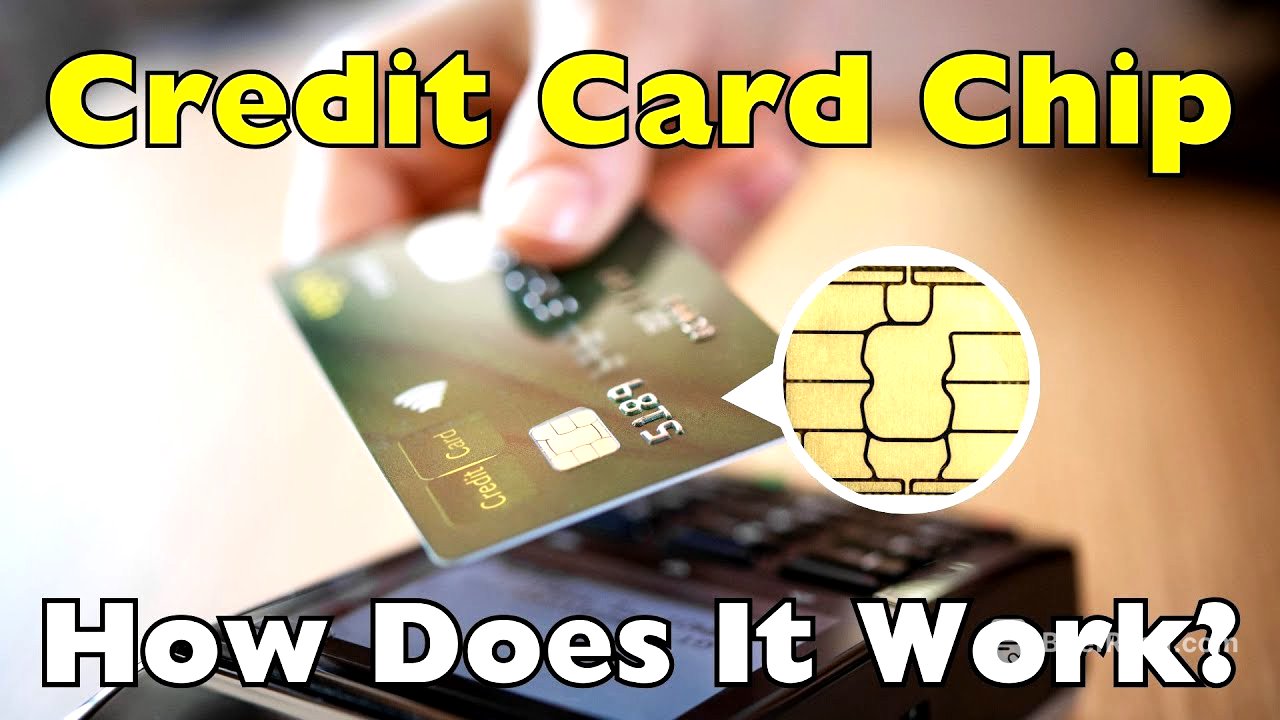
This video explains the technology behind credit card chips and how they enhance security compared to traditional magnetic stripes. It covers the components of a chip, the transaction process, security features like encryption and self-destruction, and emerging trends such as biometric authentication and dynamic CVV.
- EMV chips use encryption to protect card data during transactions.
- Each transaction generates a unique, one-time-use code.
- Contactless payments (tap-to-pay) use NFC technology with the same security measures.
- Banks and card networks play a crucial role in verifying transactions.
- Future trends include biometric authentication and dynamic CVV.
Intro: The Secret Behind That Tiny Chip [0:00]
The video introduces the concept of credit card chips as miniature computers that enhance payment security compared to older magnetic stripes. It promises to explain the inner workings of these chips and how they protect your money during transactions. The introduction sets the stage for a detailed exploration of the technology behind credit card chips.
Why We Switched from Magnetic Stripes [0:38]
The video discusses the transition from magnetic stripe cards to EMV chip cards, highlighting the security vulnerabilities of magnetic stripes. Magnetic stripes store card data unencrypted, making it easy for criminals to copy and reuse the information. EMV chips, named after Europay, Mastercard, and Visa, were introduced to enhance card security by processing and encrypting data, representing a significant upgrade in payment technology.
What’s Actually Inside the Chip [1:30]
The video describes the components of a credit card chip, comparing it to a miniature computer. The chip includes a microprocessor that manages data and performs cryptographic operations, secure memory where encrypted card data is stored, a tiny operating system to run transaction instructions, and a cryptographic engine that creates unique codes for each transaction. The chip actively computes, verifies, and secures each transaction on the spot, ensuring data protection.
How a Chip Card Works During a Transaction [2:27]
The video explains the step-by-step process of a chip card transaction. First, the terminal powers the chip, initiating a secure handshake. The chip then authenticates itself using digital certificates and cryptographic keys to prevent tampering or cloning. Instead of sending actual card data, the chip generates a one-time-use code (cryptogram) for the transaction. The terminal sends this code to the bank, which verifies it and approves the transaction if everything matches, all within seconds.
Why Chip Cards Are More Secure [3:49]
The video emphasizes that chip cards are more secure due to encryption. Unlike magnetic stripes with static data, chip cards use dynamic encryption, sending a unique, encrypted transaction code that cannot be reused. This makes it difficult for criminals to skim or clone cards. Additionally, the chip can detect anomalies and even self-destruct by wiping its memory if it detects a major security threat.
Tap-to-Pay: How Contactless Chips Work [4:38]
The video explains how tap-to-pay (contactless) technology works using NFC (near field communication). The chip communicates wirelessly with a payment terminal via short-range radio waves. When a card is tapped, the NFC chip generates a one-time cryptographic code, transmitted wirelessly instead of through physical contact. Tap-to-pay is secure because it uses the same dynamic encryption and verification systems as chip insert methods.
The Role of the Bank and Card Network [5:25]
The video details the roles of banks and card networks in chip card transactions. When the chip sends a one-time cryptogram, the bank decrypts and verifies it in real time, using a secure version of the chip's data stored on their servers. The card network (Visa, Mastercard, etc.) acts as a communication bridge, ensuring the transaction flows smoothly between the store and the bank.
Chip-and-PIN vs. Chip-and-Signature [6:11]
The video compares chip-and-signature with chip-and-PIN authentication methods. Both use the chip, but authentication differs. Chip-and-signature requires a signature to prove identity, while chip-and-PIN requires a personal code. Chip-and-PIN is generally more secure because it's harder to fake a PIN than a signature. While chip-and-PIN is common in countries like the UK and Australia, the US mostly uses chip-and-signature, though this is slowly changing.
What’s Next for Credit Card Chips [6:55]
The video discusses the future evolution of chip card technology. Latest cards may include biometric authentication, such as fingerprint sensors, and dynamic CVV numbers that change every few hours via a tiny e-ink screen. Eventually, chip cards may merge with smartphones, wearables, and digital IDs, making payments faster, safer, and more convenient.
Final Thoughts: A Tiny Chip with Huge Tech [7:33]
The video concludes by emphasizing the advanced technology packed into a credit card chip. It highlights the chip's ability to check identities, crunch codes, and secure money in the blink of an eye. Despite its small size, the chip represents a significant advancement in payment security.