TLDR;
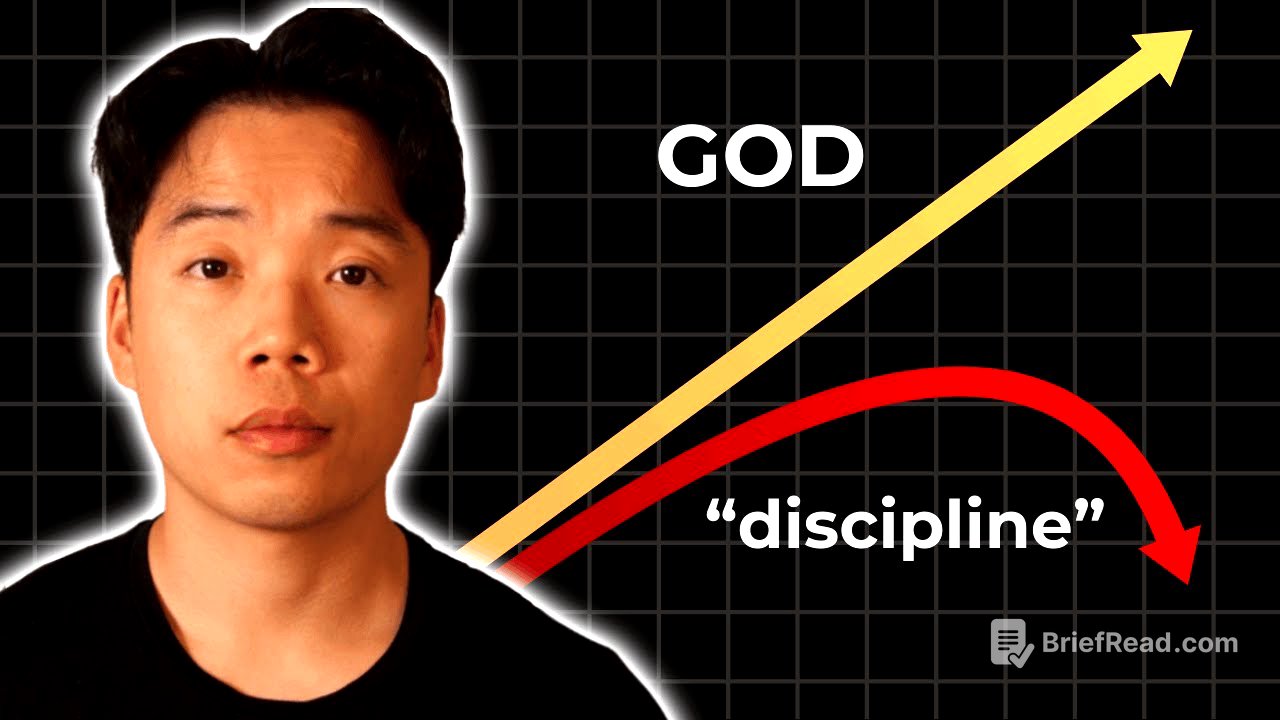
This video explains how to "lock in" with God by understanding what the Bible says about discipline, walking by the Spirit, and resting in God. It emphasizes that true change comes from relying on God's power rather than self-discipline. The video introduces a three-step framework—Rest, Receive, and Renew—to facilitate this transformation, focusing on entering God's presence, receiving His guidance, and renewing the mind.
- True change comes from relying on God's power rather than self-discipline.
- The video introduces a three-step framework—Rest, Receive, and Renew—to facilitate transformation.
- The most important part is learning how to enter God's presence and receive His guidance.
Intro [0:00]
The video introduces the concept of "locking in" with God, suggesting that traditional methods of self-discipline may be contrary to biblical teachings. The speaker shares personal experiences of overcoming negative habits and beliefs by following biblical principles, promising to reveal how to transform one's life through a one-hour daily practice rooted in faith rather than self-reliance. The speaker draws an analogy to reprogramming an AI chatbot to illustrate how the subconscious mind influences behavior, noting that relying solely on conscious effort is often ineffective.
What the Bible says about "locking in" [0:40]
The speaker discusses biblical verses that address discipline and self-control, such as 1 Corinthians 9:27 and Proverbs 25:28, which encourage discipline but do not specify how to achieve it. The speaker contrasts these with verses like 2 Timothy 1:7, Galatians 5:16, Galatians 3:3, and Philippians 2:13, which suggest that self-discipline comes from walking by the Spirit and that God provides the desire and power to do good. The speaker presents two options for changing behavior: relying on self-effort through modern psychology or walking by the Spirit and allowing God to facilitate change.
Walking by the Spirit [4:57]
The speaker shares personal experiences of miraculous encounters and transformations, attributing them to the practice of "rest" in God. This rest is not merely physical relaxation but a deeper concept that is misunderstood but crucial for living as God intended. The speaker references Galatians 5:16, which contrasts the works of the flesh with the fruit of the Spirit, and Hebrews 4:9-11, which discusses entering God's rest and ceasing from one's own works, emphasizing that failing to rest is a sin.
What is God's rest? [9:13]
The speaker defines God's rest by referencing Hebrews 4, noting that God has been resting since the seventh day of creation and that this rest is available for believers today. The speaker emphasizes that entering God's rest is not an action but entering a place.
How to let God change your life [10:45]
The speaker introduces a practical framework for allowing God to change one's life, based on the "three R's": Rest, Receive, and Renew. The speaker promises to show how to implement these principles with just one hour a day.
Resting in God [11:40]
The first "R," Rest, involves three steps: believing through hearing, approaching God, and abiding. Believing through hearing involves not hardening one's heart to the word of God (Hebrews 4:2, 4:7, Romans 10:17). Approaching God involves making every effort to enter His rest (Hebrews 4:11) and approaching the throne of grace with boldness to receive mercy and grace (Hebrews 4:14-16), as well as acknowledging that Jesus offers rest to the weary (Matthew 11:28). Abiding involves producing fruit of the Spirit (Galatians 5:22) by abiding in Jesus (John 15:4) and letting what was heard from the beginning abide in oneself (1 John 2:24). Abiding includes belief, obedience (loving your neighbor as yourself, Galatians 5:14), and love, which is received by dwelling in God's presence (Psalm 91:1, Psalm 31:20).
Receiving from God [21:57]
The second "R," Receiving, involves receiving identity and calling from God, as seen in the examples of Jacob, Moses, Gideon, and Apostle Paul. This process includes encountering God's presence, receiving a new identity and calling, and receiving God's promise of presence. The speaker also discusses how people encounter Jesus for miracles, following a pattern of encountering Jesus, receiving healing or deliverance, and being restored to fullness or a new calling, as illustrated by the stories of the woman whose son was brought back to life and the demon-possessed man. The speaker shares personal experiences of receiving new identities, callings, and deliverance from sins and traumas through spending time in God's presence.
Renewing through God [29:05]
The third "R," Renewing, addresses situations where problems persist even after deliverance or healing. It involves being reminded of one's new reality (John 5:14) and avoiding the things that once held one back. This aligns with Romans 12:2, which speaks of being transformed by the renewing of the mind. The speaker outlines a three-step process for renewing the mind: breaking remaining strongholds or lies, replacing them with truth from scripture or God, and reinforcing those truths daily through scripture and new experiences. The speaker emphasizes that the steps of entering God's presence and receiving from Him are essential for the renewal process to be effective. The speaker shares a one-hour routine that involves sitting in God's presence for 20-30 minutes, playing instrumental worship music, journaling, and asking God for scripture related to specific questions or needs. The speaker emphasizes that this routine trains individuals to abide in God's presence, rest, hear God's voice, and be guided by the Holy Spirit.