TLDR;
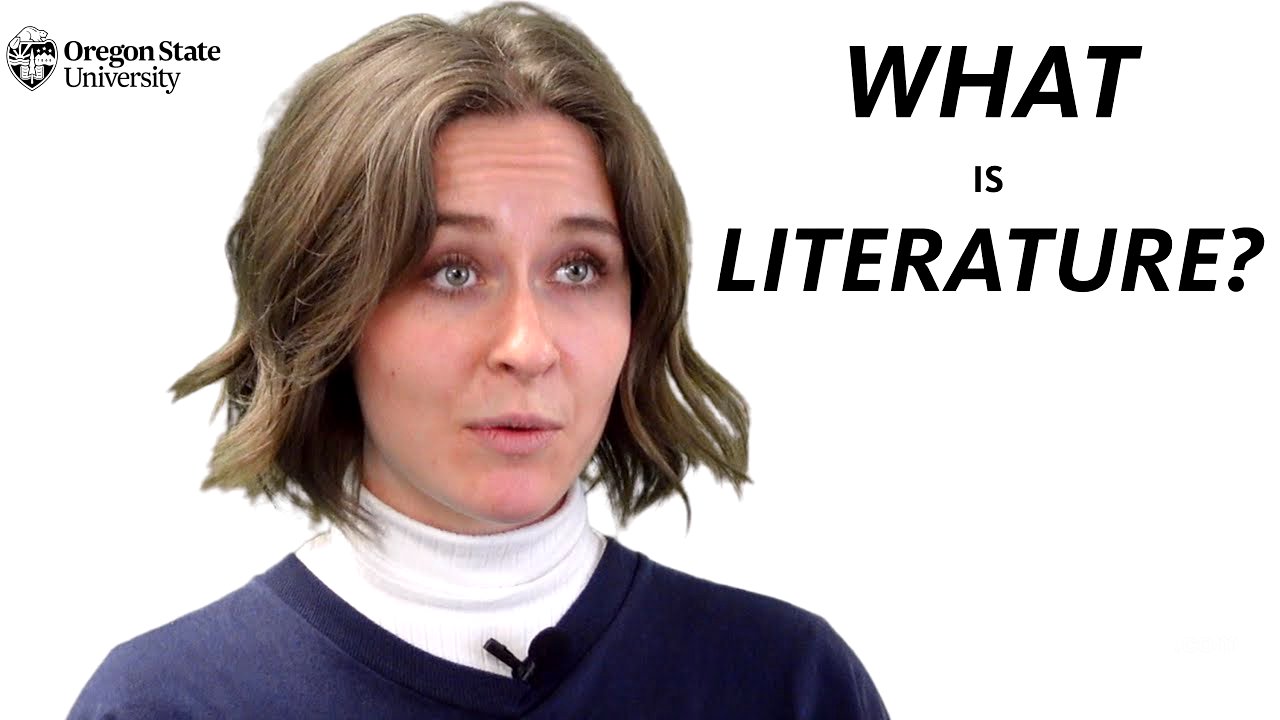
This video explores the complexities of defining literature, highlighting various perspectives from literary critics. It emphasizes the distinction between "Literature with a capital L" and "literature with a small l," the issue of canonicity, and evolving definitions within a cultural context. Ultimately, it suggests that defining what constitutes literature depends on three interrelated factors: the world, the text, and the reader's receptiveness.
- Distinction between "Literature" and "literature"
- Challenges of canonicity and inclusion of diverse authors
- Importance of reader engagement with literary texts
Literature Basic Definition [0:00]
The video starts by addressing the enduring question of what makes something literary. It differentiates between “literature with a small l,” which refers to any written text, and “Literature with a capital L,” which signifies a subset of texts worthy of study. The term "literature" derives from Latin, meaning “the use of letters” and evolved to also encompass knowledge gained from reading. Consequently, Literature is seen as writing that imparts knowledge but raises the question of which texts deserve to be studied.
Literature and the Canon [1:18]
The discussion on canonicity elaborates on how certain works become classified as canonical due to their recognition by cultural institutions such as schools and prize committees. However, this approach is challenged by its historical biases, primarily being maintained by White males, and the limited view it offers on contemporary literature since such works have not stood the test of time. The definition of literature cannot exclusively rely on canonical status, as evidenced by works like "Moby-Dick," which gained significance posthumously despite initial poor reception.
Alternative Literature Definitions [2:48]
Critics propose other definitions of literature, arguing that canonicity and subjective affection are insufficient. According to Derek Attridge, three key qualities define modern Literature: inventiveness, a unique vision from the writer, and an ability to change the reader's perspective. This suggests that literature's impact comes from style and structure rather than mere content. The video also discusses how earlier definitions of the best literature were subject to biases, failing to provide objective standards for assessment.
Final Literature Definition [6:46]
The final segment emphasizes the idea that defining literature involves considering the interrelated factors of the world, the text, and the reader. Encountering a literary text is influenced by prior knowledge, presentation, and the reader's openness to its demands. The video concludes by reaffirming that while the "test of time" may play a role in a text's longevity, the ongoing engagement of readers ensures the continued existence of literary works that inspire and challenge.



![Only Benjamines ° Drillork*ll (Coming Soon)[2026]](https://wm-img.halpindev.com/p-briefread_c-10_b-10/urlb/aHR0cDovL2ltZy55b3V0dWJlLmNvbS92aS85VVJjOTFRS1lYRS9ocWRlZmF1bHQuanBn.jpg)