TLDR;
This video explores the complex history of Venezuela, from its oil boom in the early 20th century to its current state of poverty and political turmoil. It examines the policies of Hugo Chavez, the impact of American oil interests, and the geopolitical factors that have contributed to Venezuela's decline. The video concludes with three key lessons: the importance of wealth creation alongside distribution, the need for effective utilization of resources, and the significant influence of American power in geopolitics.
- Venezuela's oil wealth and subsequent nationalization policies under Hugo Chavez.
- The impact of these policies on Venezuela's economy and its relationship with the United States.
- Geopolitical interests and the role of oil, gold, and other minerals in the US's continued interest in Venezuela.
Introduction: Venezuela's Rise and Fall [0:01]
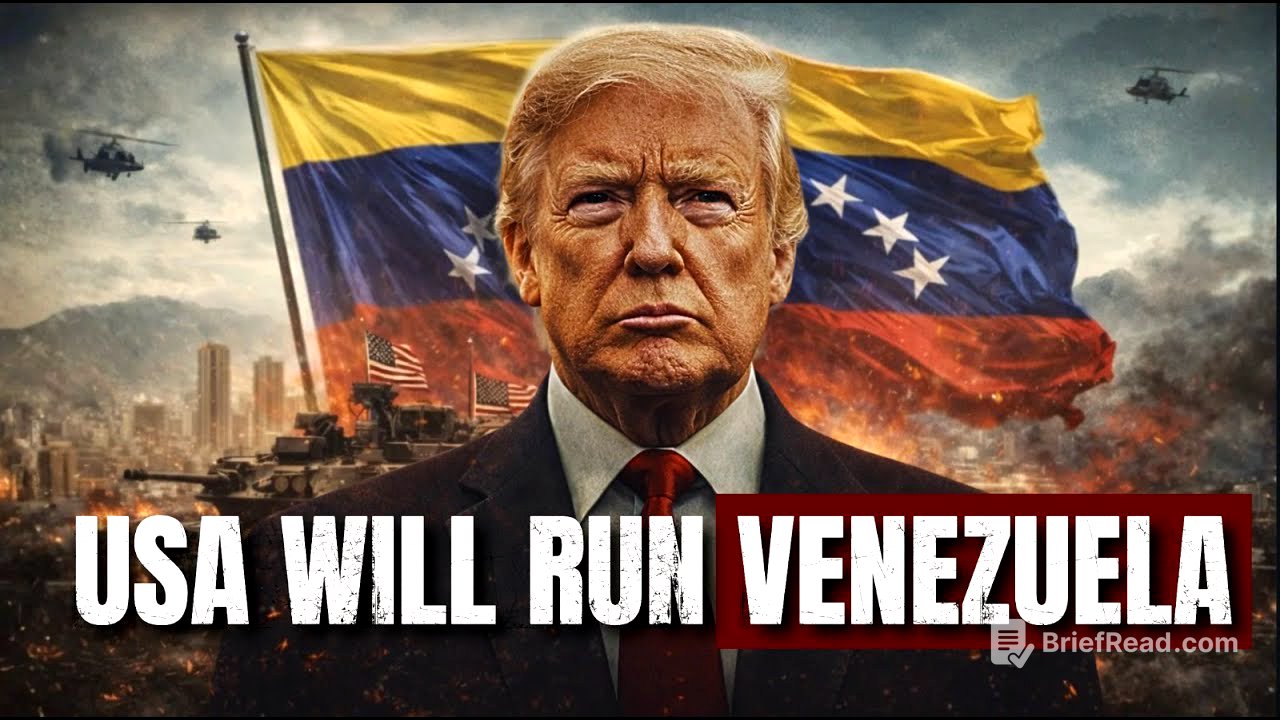
The video opens with a hypothetical scenario of the U.S. military intervening in Venezuela, highlighting the country's current struggles with poverty, hunger, and underdevelopment. It contrasts this with Venezuela's past, where it was once a wealthy nation with close ties to the United States, even being compared to Saudi Arabia in terms of affluence. The video poses the central question: How did Venezuela, with the world's largest oil reserves, transition from prosperity to poverty, and why is the U.S. now seemingly targeting the nation?
The Golden Age of Venezuelan Oil [4:55]
In 1922, a major oil well discovery transformed Venezuela, producing 100,000 barrels of oil per day. This occurred before significant oil discoveries in Saudi Arabia and the UAE. American companies like Standard Oil and Shell invested heavily, establishing refineries and infrastructure under a 50/50 profit-sharing model. By the 1950s, Venezuela became the fourth richest country globally, with Venezuelans enjoying a high standard of living and close proximity to the U.S. for trade and travel. The ease and low cost of transporting Venezuelan oil to the U.S. made it a perfect partnership, with America securing oil and Venezuela gaining wealth.
Hugo Chavez and the Shift in Power [6:13]
In 1999, Hugo Chavez emerged as a leader advocating for the common man, aiming to redistribute oil wealth more equitably. He criticized the existing arrangement where American companies profited significantly while many Venezuelans remained poor. Chavez proposed nationalizing the oil industry to benefit the Venezuelan people directly. In 2007, he enacted a law requiring foreign oil companies to cede 60% of their ownership to the Venezuelan state-owned company or leave the country. This decision led to the seizure of American assets and soured relations with the U.S., which saw it as a significant financial loss after decades of investment.
The Illusion of Prosperity and Economic Mismanagement [8:37]
Following Chavez's nationalization, oil prices surged, increasing Venezuela's revenue from $14 billion in 1999 to $34 billion by 2004. While poverty rates initially decreased, Chavez did not invest the oil revenue into sustainable industries or infrastructure. Instead, he established government shops selling goods at subsidized prices, which undermined local agriculture and manufacturing, increasing dependence on imports. Additionally, Chavez dismissed experienced oil experts and replaced them with loyalists lacking expertise, leading to operational inefficiencies, refinery fires, and a collapse in oil production, plunging Venezuela into debt.
America's Renewed Interest in Venezuela [10:12]
The U.S. tolerated Venezuela's policies until 2015, but the American shale boom in 2010 made the U.S. the world's largest oil producer. Despite this, Venezuela remains crucial to the U.S. for three reasons: its heavy crude oil is essential for specific U.S. refineries, Venezuela possesses vast reserves of gold, colon (used in electronics), and diamonds, and the growing influence of China and Russia in Venezuela poses a geopolitical threat. China has provided substantial loans, while Russia and Iran supply weapons and drones, potentially allowing them to position missiles near the U.S. and exploit Venezuela's mineral wealth.
Geopolitical Implications and Lessons Learned [12:11]
The video concludes that the U.S.'s actions against Venezuela are driven by a desire to counter Chinese and Russian influence and regain control over its resources. It draws parallels with other geopolitical relationships, highlighting that U.S. foreign policy is often driven by strategic interests rather than purely humanitarian concerns. The video presents three key lessons from Venezuela's story: wealth distribution must be paired with wealth creation, effective resource management is crucial, and the power of the United States in global politics should not be underestimated.