TLDR;
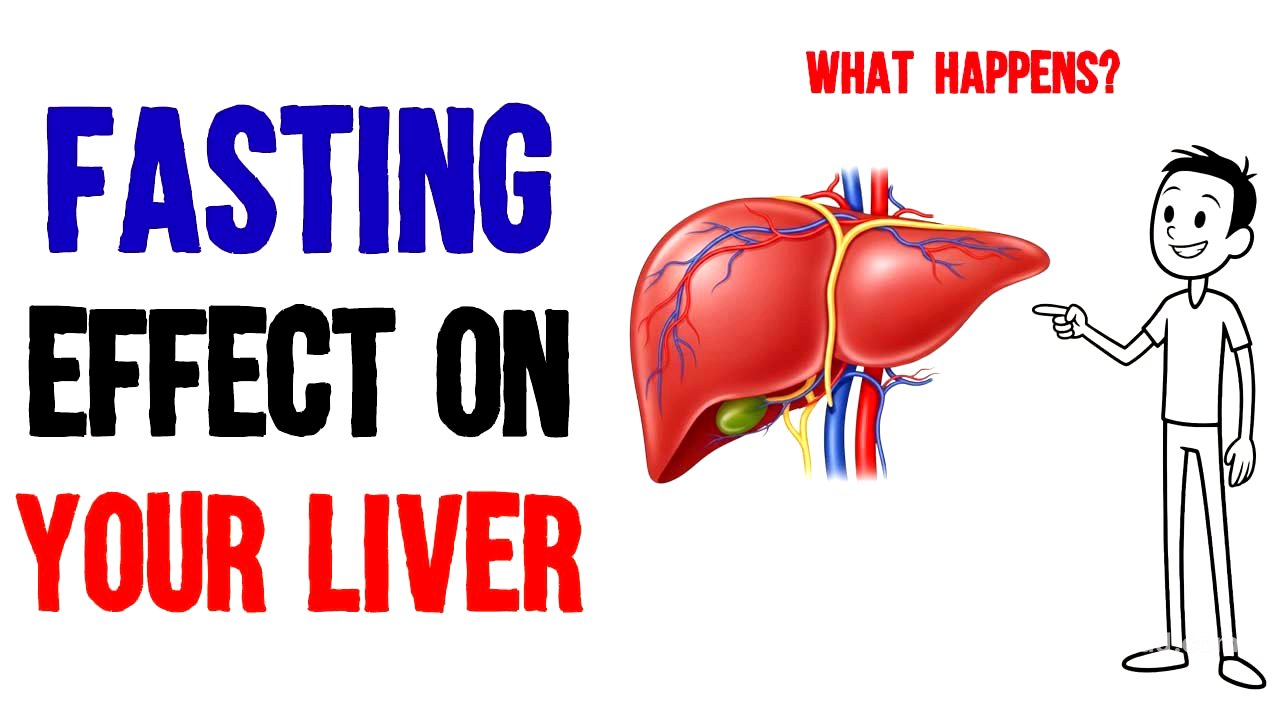
This video explains how intermittent fasting affects liver health, emphasizing the various metabolic processes that occur during fasting. The liver, as a crucial organ, undergoes significant changes in function depending on the duration of fasting. Key points include:
- The liver's role and the prevalence of non-alcoholic fatty liver disease.
- The hormonal changes during fasting and their impact on liver function.
- The processes of glycogenolysis, ketone production, autophagy, and liver regeneration that occur throughout different fasting periods.
Liver Functions and Fatty Liver Disease [0:00]
The liver is the largest internal organ, weighing about 1.4 kg and performing over 500 functions daily, such as filtering blood, producing bile, and storing energy. A significant number of adults worldwide, about one in three, have non-alcoholic fatty liver disease without knowing it. This condition arises when fat in the liver exceeds about 5%, leading to complications if not addressed. The discovery of non-alcoholic steatohepatitis in 1980 highlighted that liver damage can occur without alcohol consumption, emphasizing the importance of lifestyle and metabolism on liver health.
Hormonal Changes During Fasting [3:05]
In the initial hours after eating, the liver processes food, converting glucose into glycogen for storage and keeping insulin levels elevated. However, with constant eating, insulin remains high, preventing fat from leaving the liver and contributing to fatty liver development. Between 4 to 8 hours post-meal, insulin levels drop, and glucagon increases, prompting the liver to begin glycogenolysis, where it releases stored glycogen into the bloodstream to maintain blood sugar levels.
Fat Burning and Ketone Production [6:44]
As fasting continues from 8 to 12 hours, glycogen stores diminish, prompting the liver to convert fatty acids into ketones for energy, marking a significant metabolic shift from sugar to fat burning. Ketones serve as an efficient energy source, and during this phase, growth hormone levels rise, assisting in muscle preservation while promoting fat breakdown. Many individuals report reduced hunger and improved mental clarity as they transition to using ketones for energy.
Autophagy and Liver Health [10:01]
From 12 to 18 hours of fasting, autophagy becomes prominent, allowing cells to clear out damaged proteins and organelles, facilitating cellular repair. In the liver, a specialized form of autophagy known as lipophagy targets fat droplets, effectively reducing fat accumulation and promoting liver health. Regular fasting may lead to clearer skin and a reduction in liver size as fat is expelled, showcasing the body's natural cleaning processes.
Repair and Regeneration Post-Fasting [13:50]
By 18 to 24 hours and beyond, autophagy fully engages, and liver repair processes significantly activate. Elevated enzymes ALT and AST in the blood signal liver stress, but studies show that regular intermittent fasting can lower these markers, indicating reduced inflammation and tissue regeneration. The liver possesses a unique capability to regenerate itself, and fasting improves insulin sensitivity, facilitating fat release from the liver, leading to better health outcomes and reduced visceral fat.
Breaking the Fast and Maintaining Liver Health [17:24]
When breaking a fast, insulin levels rise again, but the liver prioritizes refilling glycogen stores before converting excess energy to fat. It’s crucial to consume moderate meals that include protein and vegetables to avoid overloading the liver with sugar and processed foods. After consistent fasting, individuals may notice decreased waist measurements, improved energy, and better overall liver health, demonstrating the benefits of intermittent fasting as part of a comprehensive healthy lifestyle.