TLDR;
The video discusses the effectiveness and value of wearable technologies, such as smartwatches and continuous glucose monitors. The speakers evaluate various functions of these devices, including step tracking, heart rate monitoring, sleep analysis, and glucose monitoring, sharing insights on their accuracy, potential health benefits, and personal experiences with the technology.
- Wearable technologies can improve physical activity levels and track essential health metrics.
- Continuous glucose monitors are particularly beneficial for people with diabetes.
Wearable Technologies Overview [0:00]
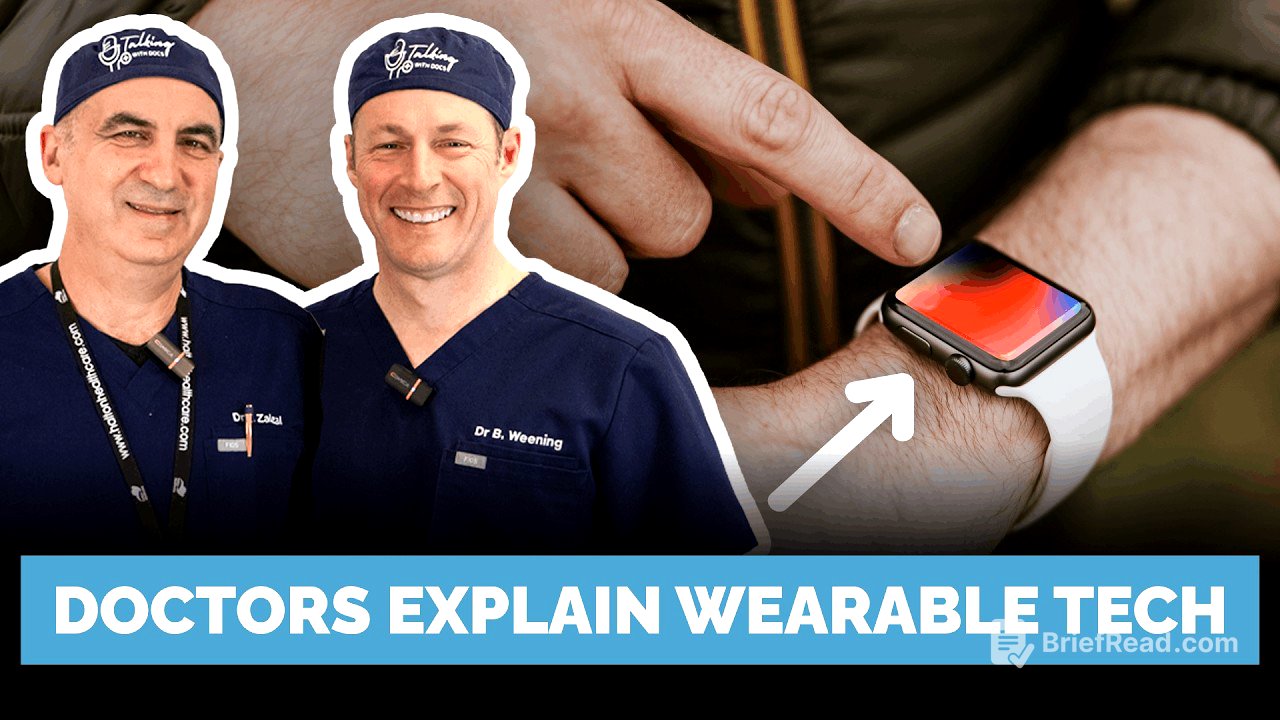
The discussion begins with a general overview of wearable technologies, including smartwatches that measure metrics like heart rate, blood sugar, calories, and sleep quality. The speakers emphasize their aim to evaluate whether these devices are truly beneficial and if the data they provide is credible.
Step Tracking Accuracy [1:32]
Step tracking is cited as a fundamental feature of many devices, with early models like Fitbit setting the standard. Studies suggest that these devices can accurately measure steps within a range of five to ten percent. Furthermore, tracking steps can encourage users to walk more, potentially leading to improved health outcomes.
Heart Rate Monitoring [4:24]
Wearable technologies are also effective in monitoring heart rate and rhythm. The speakers mention that while wrist devices are fairly accurate, chest straps provide more reliability during intense activities. The discussion includes the use of photoplethysmography technology to measure heart rate and the results of large studies indicating the effectiveness of these monitors in detecting irregular heartbeats, which can lead to serious conditions like atrial fibrillation.
Sleep Measurement [9:10]
Sleep tracking functions on smartwatches can estimate sleep duration but are not as precise as formal sleep studies. Wearable devices primarily evaluate the amount of sleep rather than its quality. The speakers caution against becoming overly reliant on sleep data from devices, suggesting that lifestyle habits are more crucial for maintaining healthy sleep.
Heart Rate Variability [11:04]
Heart rate variability (HRV) is explained as a measure of the time between heartbeats, reflecting autonomous nervous system functioning. Higher HRV indicates better health and stress management, while lower HRV may signify fatigue or stress. The significance of trends over specific values is encouraged, without unnecessary fixation on the numbers.
Continuous Glucose Monitoring [12:28]
Continuous glucose monitors provide real-time data about blood sugar levels and are considered revolutionary for diabetes management. The speakers note their potential for health insights, such as how specific foods or activities affect glucose levels, though evidence supporting their widespread use among non-diabetics is still inconclusive.
Conclusion on Wearable Technologies [15:38]
The speakers conclude that wearable technologies can be valuable tools for monitoring health if used responsibly. They advocate for the integration of these devices into daily routines to encourage healthier lifestyle choices, while also advising moderation in reliance on the data they provide.