TLDR;
The discussion revolves around the presence of US troops in Syria and the broader Middle East, focusing on their mission against ISIS and the trustworthiness of local allies. It questions the long-term strategy and risks associated with maintaining numerous bases in the region, advocating for a reassessment of US involvement and a potential reduction in troop presence. Key points include:
- The primary goal of US troops in Syria is to prevent the resurgence of ISIS.
- There are concerns about the trustworthiness of Syrian forces and leaders.
- The strategic rationale for maintaining a large US military presence in the Middle East needs to be re-evaluated.
US Troop Presence in Syria [0:00]
The conversation begins by addressing the surprising fact that the US still has around 900 troops in Syria. The main reason for their presence is to collaborate with Kurdish allies and prevent ISIS from regaining power after many nations have struggled with it for years in the Middle East. This mission falls under the ongoing global war on terror, but the necessity of maintaining this presence is questioned.
Trustworthiness of Syrian Forces [1:09]
Concerns are raised about the reliability of the Syrian forces the US is working with. Senator Marco Rubio pointed out that some elements that helped the current government come to power have radical views and are not entirely under the control of the government. This brings up the issue of vetting individuals who are allowed close to US forces, as incidents of "green on blue" attacks have occurred in the past, similar to what happened in Afghanistan.
Syrian President's Commitment to Fighting ISIS [2:34]
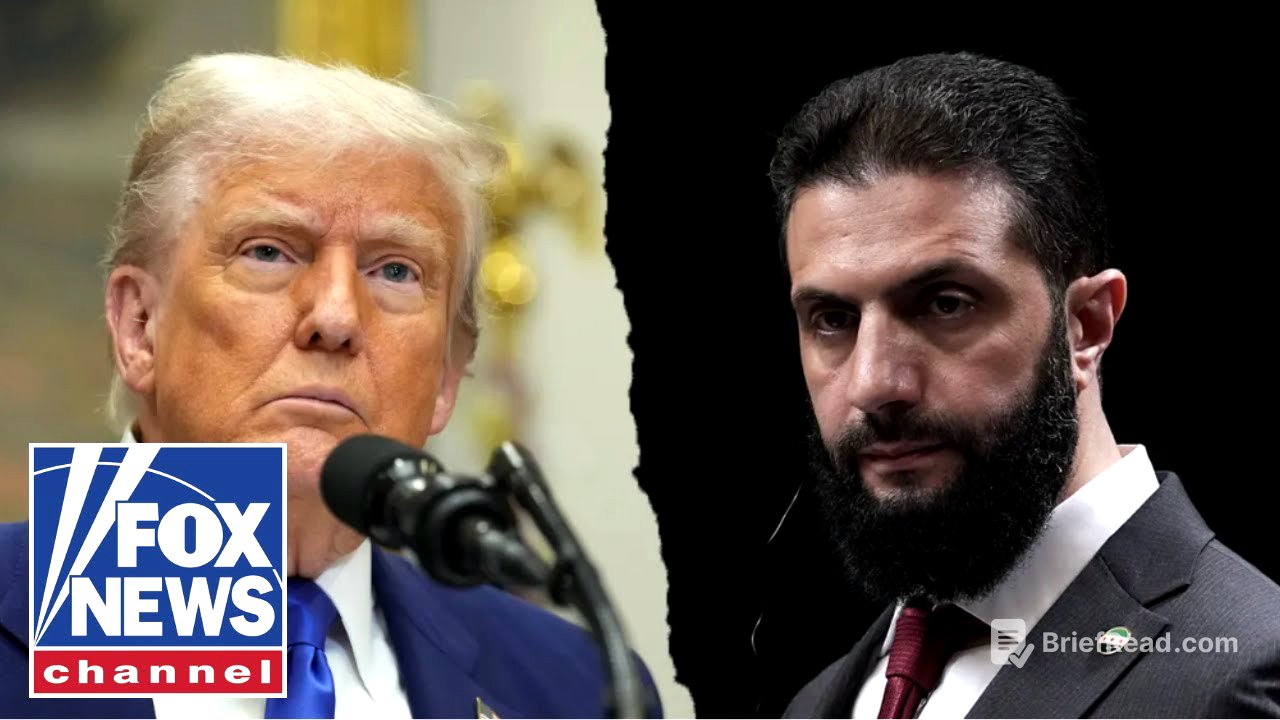
Syria's new president, Akmed al-Sharah, claimed commitment to fighting ISIS, stating his forces have suffered significant losses in battles against the group. He suggested that the US military presence in Syria should be coordinated with the Syrian government. However, Colonel Gob expresses distrust, suggesting the president has ties to ISIS and may not be genuinely fighting against them.
Reassessing US Strategy in the Middle East [4:00]
The discussion shifts to the broader question of whether American forces should remain in Syria and the Middle East, especially given the risk involved. While the potential reconstitution of ISIS is a concern, it shouldn't dictate US foreign policy for decades. The need for a clear strategic end state and a thorough debate involving the American people is emphasized.
US Military Bases in the Middle East [4:58]
A map of US bases in the Middle East is presented, highlighting the extensive presence from the Sinai Peninsula to the Strait of Hormuz. Colonel Gob advocates for eliminating many of these bases if there isn't a clear strategic reason for Americans to be there, arguing that the US is spread too thin globally. He stresses the importance of assessing whether the US is truly needed in these locations and whether the risks are worth the potential benefits.