TLDR;
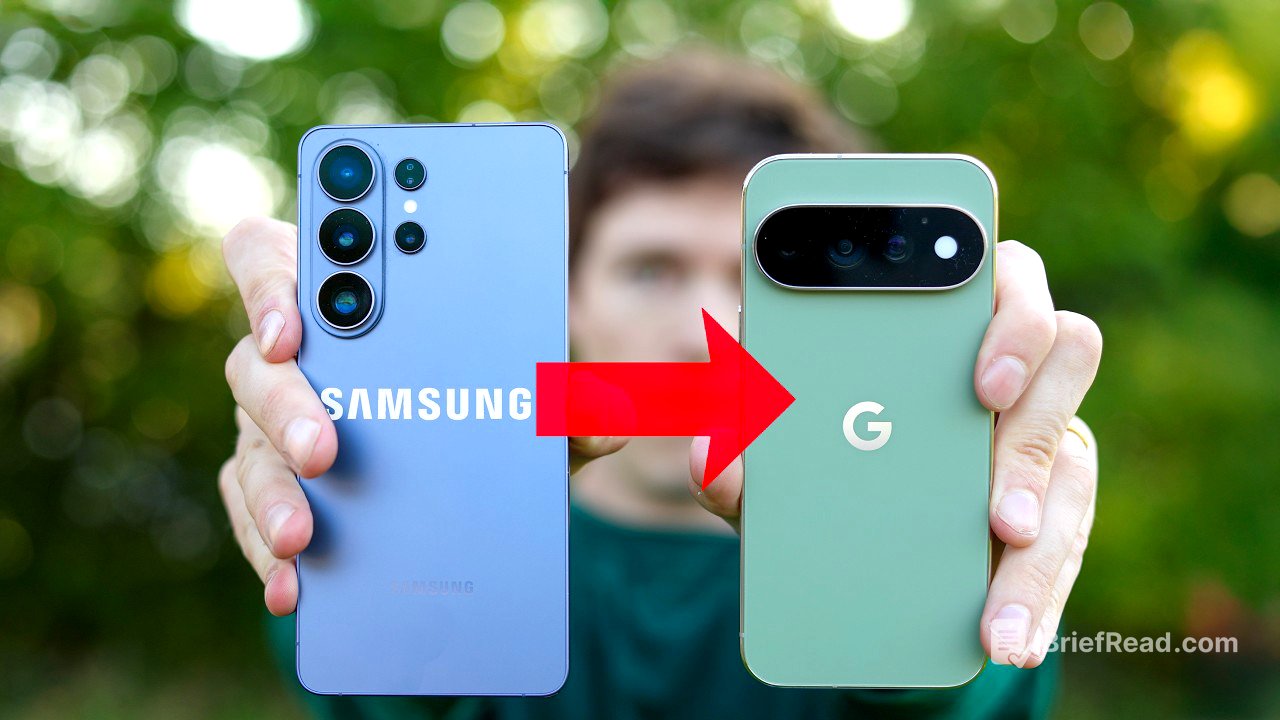
In this video, Mike O'Brien compares the Google Pixel 11 Pro and the Samsung Galaxy S26 Ultra across 11 categories to determine which Android phone is superior in 2026. Key categories include speed, pricing, design, durability, camera performance, and features, with the Pixel often excelling in photography while the Samsung is favored for speed and features.
- The Samsung Galaxy S26 Ultra is faster in everyday tasks and performance benchmarks.
- Pricing favors the Google Pixel 11 Pro, which is more affordable with similar specs.
- The Pixel 11 Pro has a better design and camera performance in terms of natural image quality.
- Samsung offers a superior display, ecosystem integration, and features like Samsung DeX.
- Ultimately, Mike scores the comparison, favoring the Pixel for its camera capabilities.
An honest comparison [0:00]
Mike starts the video by comparing the Google Pixel 11 Pro with the Samsung Galaxy S26 Ultra. He emphasizes their different features and designs and outlines that he will break down the comparison into 11 categories with no ties. Both phones cater to different customers, and he will reveal the best option.
1 - SPEED [1:00]
In the speed category, the Samsung Galaxy S26 Ultra outperforms the Google Pixel 11 Pro with its Snapdragon processor, evident from app loading times and video export tests. Geekbench scores show Samsung leading significantly in both single-core and multi-core performance. Mike notes that Samsung feels faster not just at launch but also likely to maintain better speed over time, giving it an early lead in the score.
2- PRICING [2:40]
In terms of pricing, the Pixel 11 Pro offers more options at lower prices. The S26 Ultra starts at $1299 for 256 GB, while the Pixel starts at $1099 for the same storage. Mike highlights differences in RAM and price increments up to higher storage options, concluding that the Pixel is a better value, resulting in a tied score.
CATEGORY 3 - DESIGN & DURABILITY [4:17]
This category is subjective, with the Pixel offering a more ergonomic feel and two size options. The S26 Ultra has boxy edges which some may find less comfortable. Both phones have the same IP68 water and dust resistance rating. Mike praises the Pixel’s flat camera bar that provides stability when placed down, while the S26 Ultra wobbles. He appreciates the Pixel Snap feature allowing for easy accessory compatibility but acknowledges both have similarly durable materials. Ultimately, he declares the Pixel the winner in this category.
CASES [6:15]
Mike discusses Mouse cases, highlighting their durability and design tailored specifically for each phone. Mouse offers various types of cases that enhance grip and protection. They are designed to support fast charging and conform seamlessly, ensuring a reliable fit and function on both the Google Pixel and Samsung models. He mentions the importance of using cases for protection, especially for high-end phones.
4 - STANDARD PHOTOS [7:50]
In the standard photo category, Mike compares camera performance. He finds that the Samsung produces more saturated images, while the Pixel offers contrast and sharpness. Both perform well in normal lighting, but for long zoom shots, the Pixel is favored for reducing haze and enhancing clarity. However, he notes Samsung's AI enhancements can sometimes lead to unnatural results, giving the overall win to the Pixel for achieving more realistic images.
5 - PORTRAIT PHOTOS [9:50]
When comparing portrait photos, Mike finds the skin tones appear more natural on the Pixel. Both phones handle bokeh effects successfully, but Samsung's colors can become overly saturated, affecting realism. The Pixel’s handling of skin tones provided the more accurate representation, thus winning this category.
6 - SOCIAL MEDIA VIDEO - INSTAGRAM [10:40]
Mike tests both phones' video capabilities using Instagram. He evaluates audio quality and visual output, noting differences in exposure and skin tones. While both perform adequately, the Pixel gets preferred for its color accuracy and overall better results on social media platforms, leading to its victory in this category.
7 - VIDEO [11:50]
In video comparison, Mike uses each phone’s default camera application. He appreciates the stable video quality of both devices, although he finds Samsung’s overall video sharper and more vivid, particularly with its zoom function. This slightly edges the score towards Samsung but doesn't overshadow the Pixel's capabilities in average use.
8 - DISPLAYS [13:10]
Mike highlights the superior display features of the Samsung Galaxy S26 Ultra, noting its vibrant colors and customizable privacy features. Although the Pixel is brighter, Samsung's anti-glare display makes it more practical for varied viewing conditions. Hence, Samsung wins in this very competitive category.
9 - ECOSYSTEM [14:00]
In discussing ecosystem integration, Microsoft notes that while Google has a broad ecosystem, Samsung’s devices are better connected with more exclusive features. For example, certain health tracking features work only with Samsung devices. This connection offers advantages to users who invest in the Samsung product line, making it the stronger choice in this category.
10 - BATTERY [15:00]
Looking at battery performance, the Pixel 11 Pro XL has a slight edge with practical usage compared to the Samsung's similar capacity. Mike references an external comparison video which showed the Pixel outperforming the Samsung in various tasks. Therefore, he awards the battery category to the Pixel, maintaining its overall lead.
11 - FEATURES [16:00]
Lastly, in the features category, Mike highlights Google’s innovative day-to-day features and unique camera functionalities. However, Samsung brings heavy-duty features like Samsung DeX and advanced Bluetooth capabilities, which cater better to power users. Ultimately, he awards the feature category to Samsung, closing the points gap.
Overall, Mike concludes with a score reflecting the Pixel winning primarily due to its camera superiority, but notes that Samsung has several advantages in other categories.