TLDR;
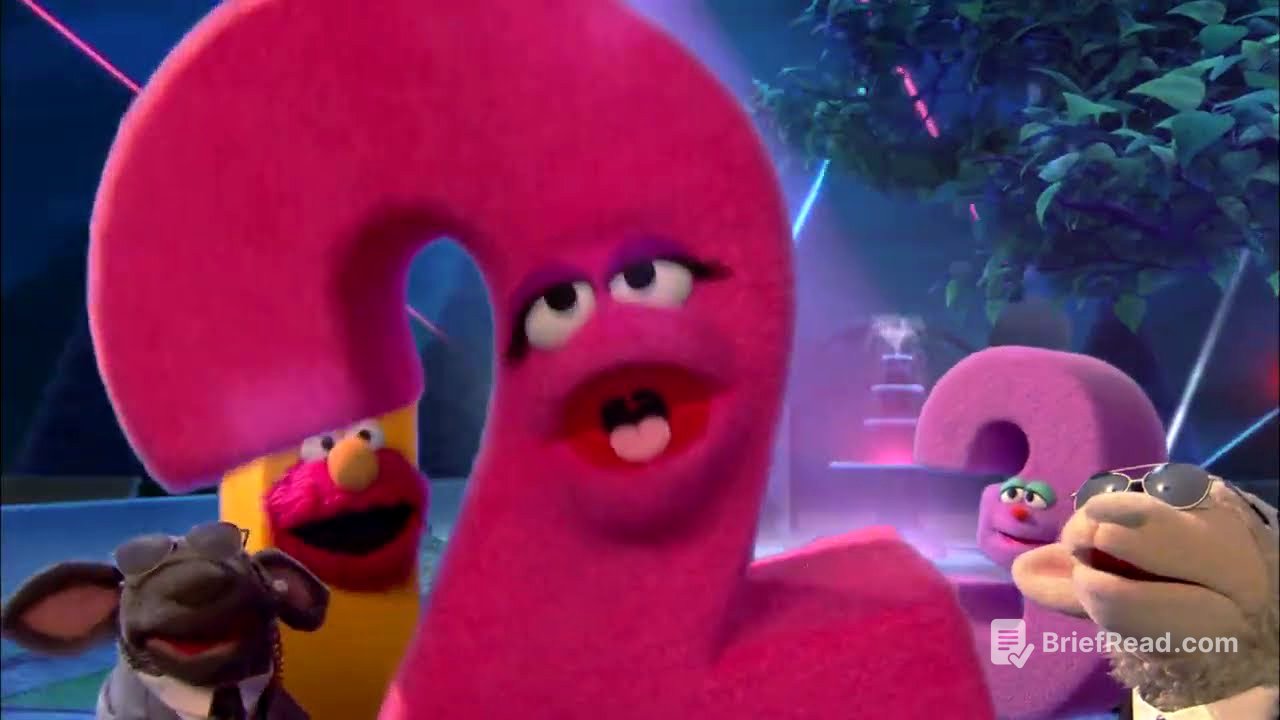
The poem expresses the frustration and disappointment of always being second best. The speaker laments the feeling of constantly being second-guessed and never achieving first place. They acknowledge the dominance of "one" who always comes first, highlighting the speaker's perpetual state of being second. The poem concludes with a shift in perspective, as the speaker declares their intention to challenge the existing order and play the game themselves.
The Frustration of Second Place [0:00]
The poem begins by highlighting the unpleasant experience of never being number one [0-3]. The speaker expresses the dissatisfaction of constantly being the second best and always being second-guessed [6-10]. This sets the tone for the rest of the poem, emphasizing the negative emotions associated with never achieving first place.
The Inevitability of Second [0:12]
The speaker continues to lament their perpetual state of being second, pointing out that in every race, two is always second place [12-15]. They acknowledge the dominance of "one" who always comes first, reinforcing the speaker's feeling of being trapped in a cycle of second place [18-22]. The speaker emphasizes the negative impact of this situation, stating that it's the worst [22].
A Shift in Perspective [0:25]
The poem takes a turn as the speaker declares "That's it for me" [25]. They address the "one" who is always first, acknowledging that they have had their day [28-32]. This marks a shift in perspective, as the speaker begins to challenge the existing order and express their intention to change their situation.
Challenging the Status Quo [0:34]
The poem concludes with the speaker asserting their intention to play the game themselves [34]. This signifies a determination to break free from the cycle of being second and to compete for first place. The speaker's final statement suggests a newfound sense of agency and a willingness to challenge the status quo.
![Inertia & Newton's First Law of Motion - [1-5-4]](https://wm-img.halpindev.com/p-briefread_c-10_b-10/urlb/aHR0cDovL2ltZy55b3V0dWJlLmNvbS92aS9RQXNucFI2YnFRby9ocWRlZmF1bHQuanBn.jpg)